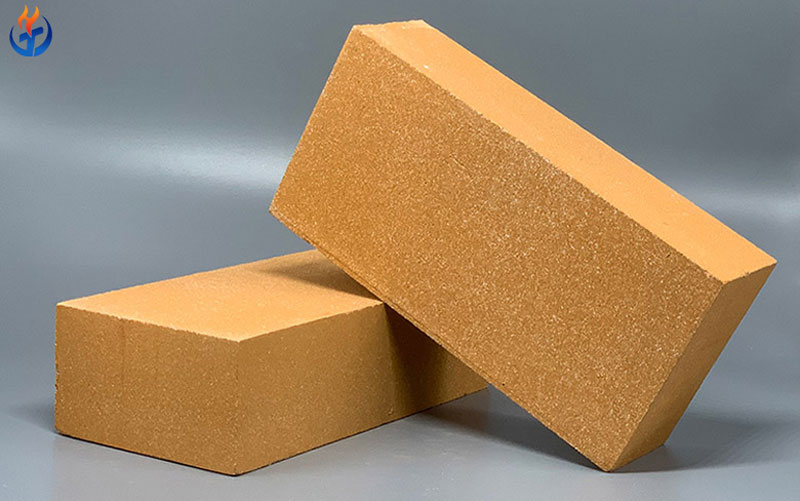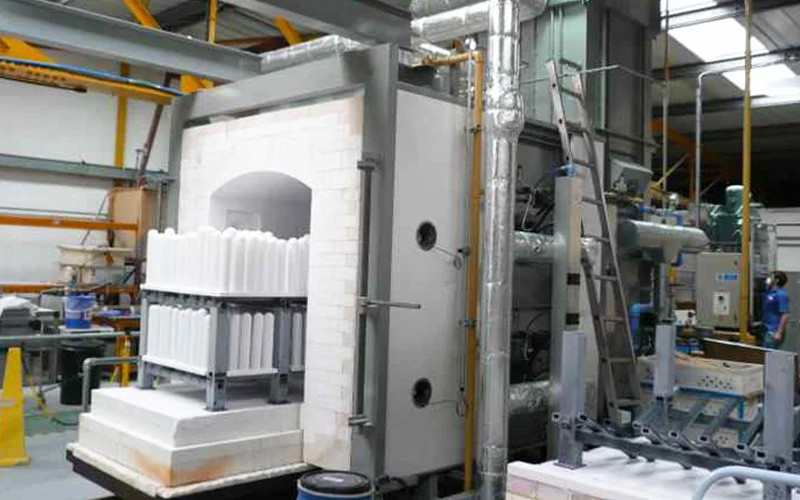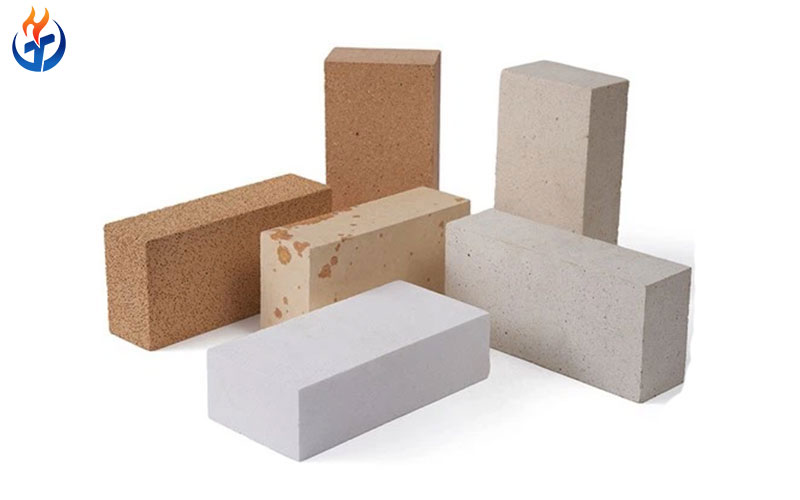
Refractory bricks are essential materials for the construction and maintenance of industrial kilns, furnaces, and high-temperature processing equipment. Unlike standard refractory bricks, refractory special-shaped bricks for kilns are designed with customized shapes and dimensions to meet specific lining structures, complex installation requirements, and special operating conditions.
In many industrial applications, kiln linings contain areas such as burner zones, arches, corners, openings, expansion joints, and transition sections. These areas usually cannot be effectively built with conventional rectangular bricks. Therefore, specially designed refractory bricks are required to ensure proper fitting, reduce heat loss, improve structural stability, and extend the service life of kiln linings.
Depending on different working environments, temperature levels, chemical corrosion conditions, and mechanical requirements, refractory special-shaped bricks can be produced from various materials, including clay, high alumina, alumina carbon, magnesia carbon, and corundum. Selecting the right material is important for achieving reliable performance in high-temperature industrial operations.
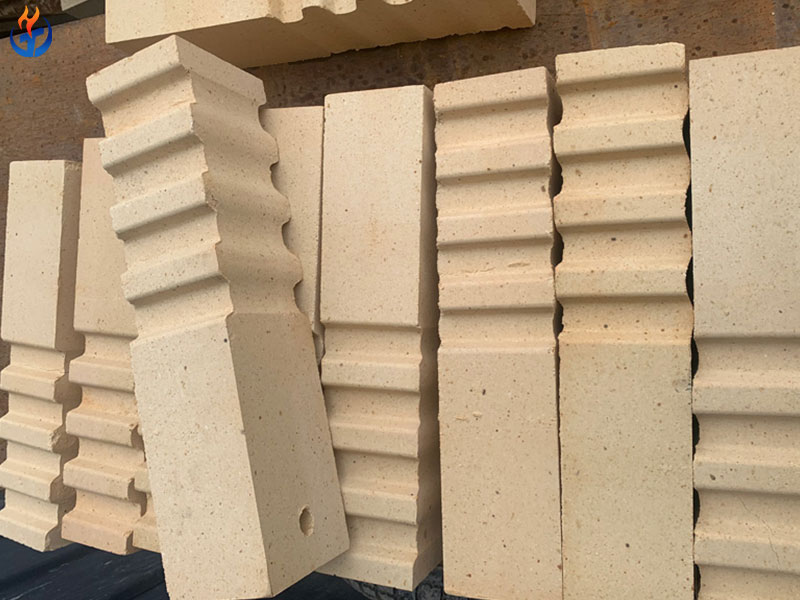
What Are Refractory Special-Shaped Bricks?
Refractory special-shaped bricks are customized refractory products manufactured according to the specific design requirements of kilns and furnaces. Their shapes are different from standard refractory bricks, allowing them to be installed in complex areas of thermal equipment.
These bricks are commonly used in:
- Industrial kilns
- Steelmaking furnaces
- Glass melting furnaces
- Cement kilns
- Non-ferrous metal furnaces
- Heat treatment furnaces
- Chemical industry furnaces
Compared with ordinary refractory bricks, special-shaped bricks provide better adaptability for complicated furnace structures. They can reduce the number of joints in the refractory lining, improve overall stability, and help prevent problems such as brick displacement, heat leakage, and premature damage.
The performance requirements of refractory special-shaped bricks mainly include:
- High refractoriness
- Good thermal shock resistance
- High mechanical strength
- Excellent corrosion resistance
- Stable volume performance at high temperatures
For example, some kiln refractory special-shaped bricks can achieve a refractoriness of above 1750℃, alumina content ranging from 30% to 55%, compressive strength exceeding 40 MPa, and bulk density around 2.1–2.15 g/cm³ depending on the material grade.
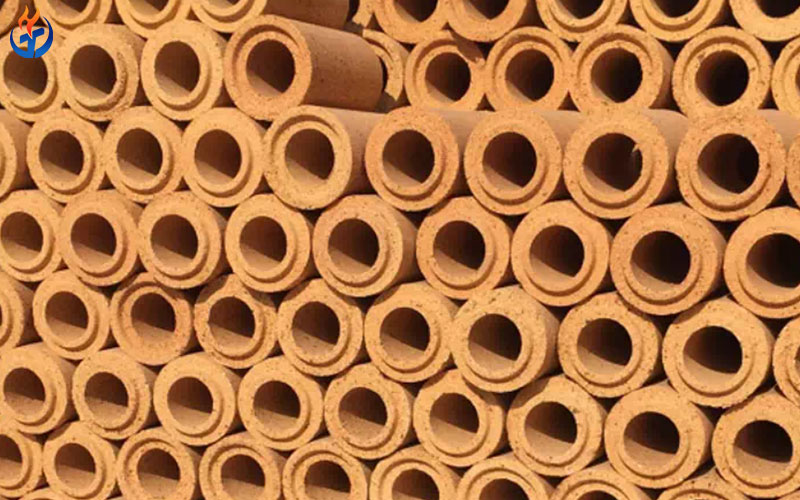
Main Types of Refractory Special-Shaped Bricks
1. Clay Refractory Special-Shaped Bricks
Clay special-shaped bricks are one of the most traditional types of refractory bricks used in kiln construction. They are mainly made from refractory clay as the primary raw material, combined with other mineral components through shaping and high-temperature firing.
These bricks usually contain a moderate amount of alumina and have good overall performance under medium-temperature conditions.
Main characteristics include:
- Good thermal stability
- Excellent resistance to thermal shock
- Stable performance under repeated heating and cooling cycles
- Affordable cost
- Easy processing and customization
Clay refractory special-shaped bricks are widely used in:
- Heating furnace linings
- Ceramic kilns
- General industrial furnaces
- Low and medium-temperature kiln sections
They are suitable for applications where extreme chemical corrosion and ultra-high temperature resistance are not the primary requirements.
Different grades of clay special-shaped bricks can be manufactured according to customer requirements. The selection depends on factors such as working temperature, mechanical load, and furnace atmosphere.
2. High Alumina Refractory Special-Shaped Bricks
High alumina special-shaped bricks are manufactured with bauxite, industrial alumina, and other high-alumina raw materials. Compared with clay bricks, they contain higher Al₂O₃ content and provide better performance in high-temperature environments.
The higher alumina content improves:
- Refractoriness
- Load resistance at high temperatures
- Chemical corrosion resistance
- Wear resistance
High alumina special-shaped bricks are commonly used in areas requiring stronger thermal performance, including:
- Steelmaking furnaces
- Hot blast furnaces
- Industrial kilns
- Cement production equipment
- High-temperature furnace zones
Their excellent resistance to slag and molten material corrosion makes them suitable for demanding applications.
Different grades of high alumina bricks can be produced according to alumina content, such as:
- 55% alumina bricks
- 70% alumina bricks
- 80% alumina bricks
- 90% alumina bricks
The higher the alumina content, generally the better the high-temperature performance and corrosion resistance.
3. Alumina Carbon Special-Shaped Bricks
Alumina carbon bricks are composite refractory materials made mainly from alumina materials and carbon materials. They combine the advantages of ceramic materials and carbon materials, providing excellent thermal shock resistance and corrosion resistance.
Key advantages include:
- High thermal conductivity
- Excellent resistance to thermal shock
- Good resistance against molten metal penetration
- Strong corrosion resistance
Alumina carbon special-shaped bricks are widely applied in:
- Steel ladles
- Continuous casting systems
- Tundish linings
- Molten steel contact areas
Because they can withstand rapid temperature changes and molten steel erosion, they are important materials in modern steel production equipment.
However, alumina carbon bricks require proper storage and installation because carbon-containing materials may be affected by oxidation under certain conditions.
4. Magnesia Carbon Special-Shaped Bricks
Magnesia carbon special-shaped bricks are mainly composed of magnesia and carbon. They are commonly used in areas exposed to severe chemical attack and high-temperature conditions.
Their main features include:
- Excellent resistance to alkaline slag corrosion
- Good thermal shock resistance
- High-temperature strength
- Resistance to molten metal erosion
Magnesia carbon bricks are widely used in:
- Electric arc furnaces
- Steelmaking converters
- Refining furnaces
- Ladle slag lines
In steelmaking applications, the slag line area requires extremely strong corrosion resistance because it is continuously exposed to molten steel and aggressive slag. Magnesia carbon special-shaped bricks are often selected for these critical zones.
5. Corundum Special-Shaped Bricks
Corundum special-shaped bricks are high-performance refractory products made mainly from corundum materials. Due to their very high alumina content, they offer outstanding resistance to extreme temperatures.
Main properties include:
- Very high refractoriness
- Excellent wear resistance
- Strong corrosion resistance
- High mechanical strength
- Good stability at high temperatures
They are mainly used in:
- Ultra-high temperature furnaces
- Chemical industry furnaces
- Glass production equipment
- Precision thermal processing equipment
Although corundum bricks provide excellent performance, their production cost is relatively higher compared with conventional refractory materials. Therefore, they are usually applied in critical furnace areas where maximum durability is required.
6. Customized Refractory Special-Shaped Bricks
Because industrial kilns have different structures and operating conditions, customized refractory special-shaped bricks are often required.
Manufacturers can design and produce bricks according to:
- Furnace drawings
- Installation dimensions
- Working temperature
- Chemical environment
- Mechanical stress conditions
Common customized shapes include:
- Arch bricks
- Burner blocks
- Corner bricks
- Wedge bricks
- Sidewall bricks
- Transition bricks
- Special connection bricks
Customized production helps ensure accurate installation and improves the overall performance of refractory linings.
How to Select the Right Refractory Special-Shaped Bricks?
Choosing suitable refractory special-shaped bricks requires consideration of several factors.
Working Temperature
The operating temperature of the kiln is one of the most important selection factors. Higher temperature applications generally require materials with higher refractoriness and better high-temperature strength.
Chemical Environment
Different furnace atmospheres can cause different types of corrosion. For example:
- Acidic environments may require silica or clay-based materials.
- High-temperature steelmaking environments often require alumina carbon or magnesia carbon materials.
- Strong corrosion zones may require high-performance refractory materials.
Mechanical Requirements
Areas exposed to vibration, impact, or heavy loads require refractory bricks with higher compressive strength and wear resistance.
Furnace Structure
The shape and installation position of the brick also influence material selection. Special areas such as corners, arches, and burner zones often require customized designs.
Conclusion
Refractory special-shaped bricks are important components for modern industrial kilns and high-temperature equipment. Due to their customized structures and excellent performance, they help improve furnace stability, reduce maintenance frequency, and extend operating life.
The main types include clay refractory special-shaped bricks, high alumina refractory special-shaped bricks, alumina carbon bricks, magnesia carbon bricks, and corundum bricks. Each type has different advantages and application areas.
When selecting refractory special-shaped bricks, users should consider working temperature, chemical corrosion, mechanical conditions, and furnace design requirements. By choosing the appropriate refractory material and customized shape, industrial companies can achieve safer, more efficient, and longer-lasting kiln operations.