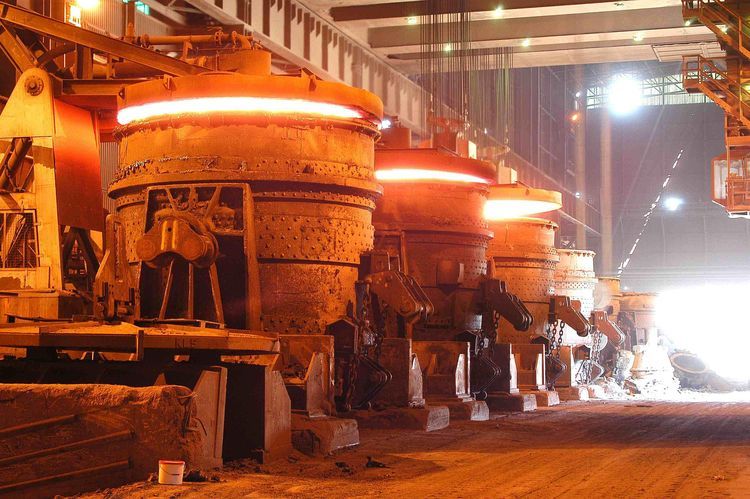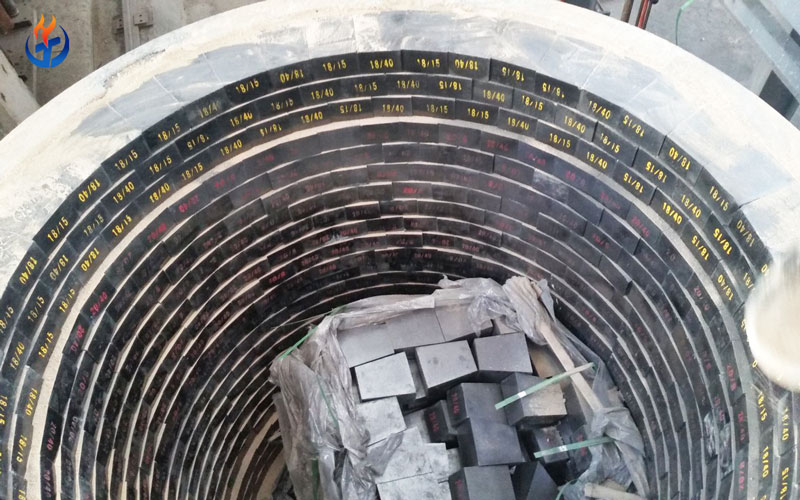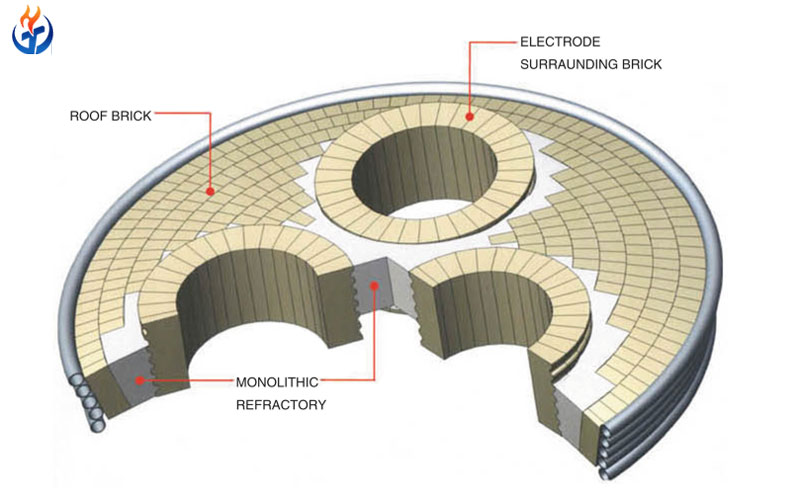
The hot blast stove is one of the most important thermal equipment systems in the ironmaking process. Working together with the blast furnace, it supplies high-temperature air required for efficient combustion and reduction reactions. In modern steel plants, approximately 25% of the thermal energy needed for blast furnace ironmaking comes from the hot blast stove.
Because hot blast stoves operate continuously under extremely harsh conditions, their refractory lining must withstand high temperatures, thermal cycling, mechanical loads, and chemical attack. Selecting suitable hot blast stove refractory material is therefore essential for ensuring stable operation, extending service life, reducing maintenance costs, and improving overall energy efficiency.
This article introduces the structure of a hot blast stove, the refractory materials used in different areas, and how to choose suitable refractory bricks and unshaped refractories according to operating temperatures.
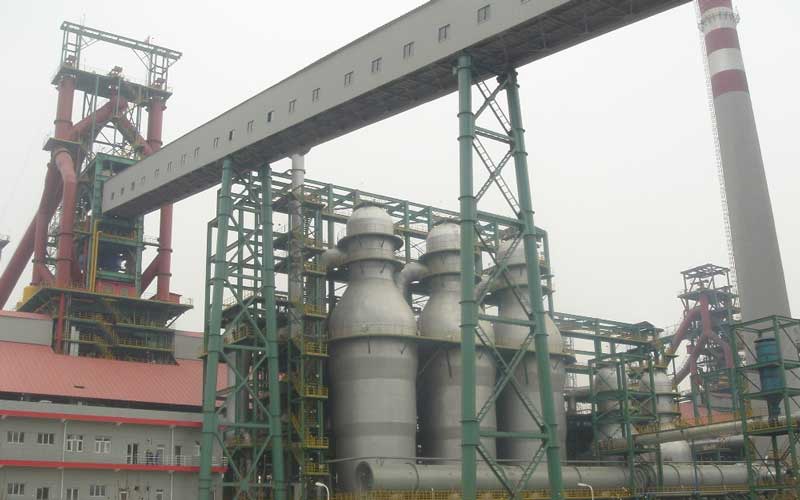
What Is a Hot Blast Stove?
A hot blast stove is a regenerative heat exchanger used in blast furnace ironmaking. Its primary function is to provide hot air at temperatures above 1000°C to the blast furnace.
During operation, fuel gas is burned inside the stove, heating the checker bricks in the regenerator. After sufficient heat storage, cold air is passed through the heated checker chamber, where it absorbs thermal energy and is delivered to the blast furnace as hot blast.
Because temperatures inside the stove can exceed 1400°C, the refractory lining must possess:
- High refractoriness
- Excellent creep resistance
- High load softening temperature
- Good thermal shock resistance
- High hot strength
- Strong volume stability
- Large heat storage capacity
Proper refractory design directly affects the thermal efficiency and operating life of the hot blast stove.
Main Parts of a Hot Blast Stove
A typical hot blast stove consists of several sections:
- Dome (vault)
- Combustion chamber
- Regenerator
- Hot air duct
- Mixing chamber
- Insulation wall
Different areas experience different temperatures and operating conditions, requiring various refractory materials.
Refractory Materials Used in Hot Blast Stove Roof
Structure of the Dome
The roof or vault is generally divided into:
- Working layer
- Filling layer
- Insulation layer
The dome experiences some of the highest temperatures inside the stove, often exceeding 1400°C. It must maintain structural integrity while distributing hot gases uniformly into the regenerator.
Recommended Refractory Materials
Common materials used in the working layer include:
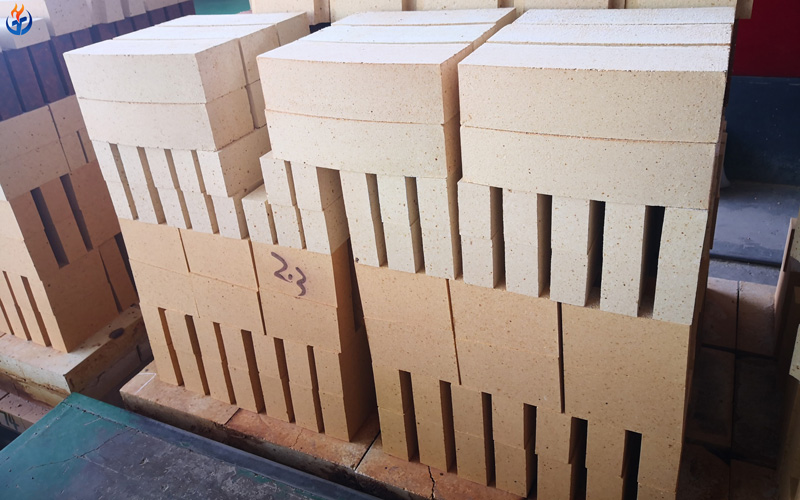
Silica Brick
Silica brick offers:
- Excellent refractoriness
- Good load-bearing capacity
- High dimensional stability
- Low creep at elevated temperatures
It is one of the most widely used materials for hot blast stove domes.
Mullite Brick
Mullite brick provides:
- High refractoriness
- Superior thermal shock resistance
- Excellent creep resistance
- Strong resistance to deformation
Andalusite Brick
Andalusite brick features:
- Good thermal stability
- High strength
- Excellent volume stability
Low Creep High Alumina Brick
Low creep high alumina bricks are suitable for long-term high-temperature operation because of their:
- High load softening temperature
- Low permanent linear change
- High mechanical strength
The insulation layer usually adopts lightweight insulating fire bricks to reduce heat loss.
Refractory Materials Used in Hot Blast Stove Wall
The stove wall is generally composed of:
- Working layer
- Filling layer
- Insulation layer
The thickness of the working layer is usually between 300 mm and 500 mm.
Upper Wall Area
Since the upper section operates at higher temperatures, materials commonly used include:
- Silica brick
- Mullite brick
- High alumina brick
- Sillimanite brick
Middle Wall Area
Moderate temperatures allow the use of:
- High alumina brick
- Mullite brick
- Sillimanite brick
Lower Wall Area
The lower section experiences relatively lower temperatures and commonly uses:
- Fire clay brick
The combination of different refractory materials helps optimize both performance and cost.
Refractory Materials Used in the Regenerator
The regenerator is the core heat-storage section of the hot blast stove. It contains numerous checker bricks that absorb heat from combustion gases and transfer it to incoming cold air.
Because checker bricks act as the heat storage medium, they require:
- High thermal conductivity
- Large heat exchange surface area
- High strength
- Excellent thermal shock resistance
- Good resistance to high-temperature creep
Upper Regenerator
The upper portion is exposed to the highest temperatures.
Recommended materials include:
- Silica checker brick
Silica checker bricks possess:
- High refractoriness
- Excellent heat storage capability
- Good volume stability
Middle Regenerator
The middle section commonly employs:
- Low creep high alumina brick
- Mullite brick
- Sillimanite brick
- Andalusite brick
These materials provide excellent resistance to high-temperature deformation.
Lower Regenerator
The lower area experiences comparatively lower temperatures and typically uses:
- Fire clay brick
This arrangement balances thermal performance and economic efficiency.
Selection of Refractory Bricks According to Hot Blast Temperature
Different operating temperatures require different refractory materials.
Hot Blast Temperature Below 900°C
- Fire clay brick
Advantages:
- Economical
- Good thermal stability
- Sufficient refractoriness
Hot Blast Temperature Between 900°C and 1100°C
Suitable materials include:
- High alumina brick
- Mullite brick
- Sillimanite brick
These materials offer:
- Better load-bearing capability
- Higher refractoriness
- Improved resistance to thermal shock
Hot Blast Temperature Between 1100°C and 1200°C
Recommended materials:
- High alumina brick
- Mullite brick
- Sillimanite brick
- Silica brick
These products provide excellent resistance to high-temperature creep and deformation.
Hot Blast Temperature Above 1200°C
For ultra-high temperature operation, the preferred materials are:
- High-quality silica brick
- Mullite brick
- Sillimanite brick
Common Refractory Products Used in Hot Blast Stoves
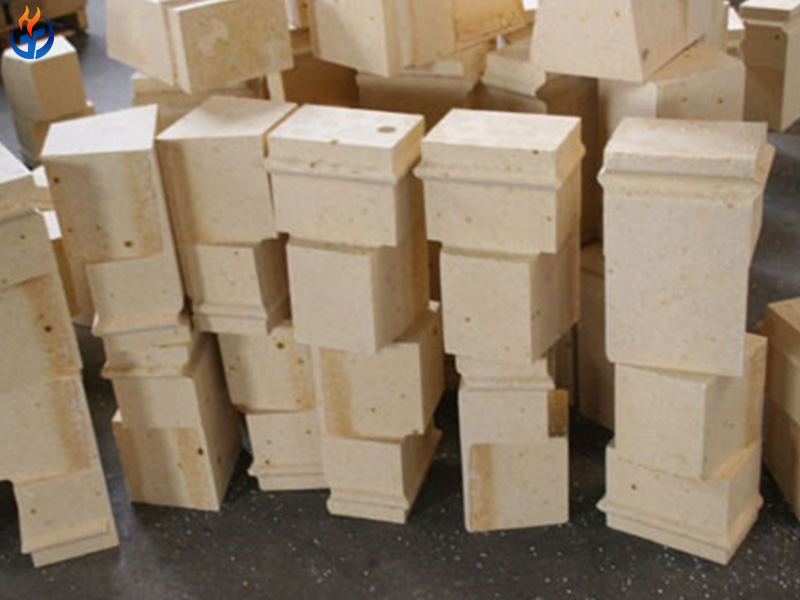
Corundum Mullite Brick
Typical applications:
- Hot air main pipes
- Branch pipes
- Checker chambers
Characteristics:
- Al₂O₃ content above 70%
- Refractoriness under load above 1660°C
- Excellent wear resistance
- Superior thermal shock resistance
Fire Clay Brick
Application areas:
- Combustion chambers
- Hot air ducts
Features:
- Al₂O₃ above 45%
- Load softening temperature above 1430°C
- Cost-effective
Silica Brick
Common uses:
- Regenerator
- Combustion chamber
- Upper checker zone
Advantages:
- SiO₂ content above 95%
- Excellent volume stability
- Good load-bearing capability
Mullite Brick
Application positions:
- Regenerator center
- Mixing chamber
Properties:
- Al₂O₃ above 85%
- Refractoriness around 1720°C
- Low creep
- High strength
Insulating Fire Brick
Insulation bricks are widely used in:
- Regenerator walls
- Combustion chambers
- Mixing chambers
Benefits include:
- Low thermal conductivity
- Reduced heat loss
- Energy savings
- Lightweight structure
Unshaped Refractory Materials for Hot Blast Stoves
Besides refractory bricks, unshaped refractories play an important role in furnace construction and maintenance.
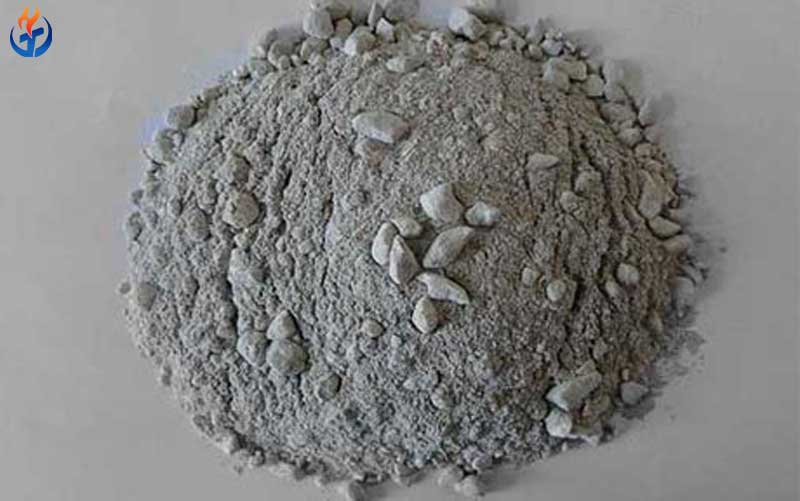
Refractory Mortar
Refractory mortar is used for masonry construction.
Silica Refractory Mortar
Suitable for laying silica bricks.
Features:
- SiO₂ content above 95%
- Excellent bonding strength
- Good compatibility with silica bricks
High Alumina Refractory Mortar
Used for:
- Mullite bricks
- Corundum mullite bricks
Advantages:
- High refractoriness
- Strong adhesion
- Good thermal stability
Refractory Castables
Castables are commonly used for areas with complex shapes.
Applications include:
- Furnace bottoms
- Ceramic burner areas
- Incineration chamber walls
Their advantages include:
- Easy installation
- Monolithic structure
- Excellent abrasion resistance
Refractory Spray Coatings
Spray coatings are widely used for:
- Combustion chambers
- Regenerators
- Mixing chambers
- Hot air ducts
Functions include:
- Thermal insulation
- Improved air tightness
- Protection of steel shell
- Extended service life
Spray technology also simplifies repair and maintenance work.
Thermal Insulation Materials
Modern hot blast stoves require highly efficient insulation systems to minimize heat loss.
Common insulation materials include:
Lightweight Insulating Bricks
Characteristics:
- High porosity
- Low density
- Low thermal conductivity
Ceramic Fiber Blankets
Advantages:
- Lightweight
- Excellent insulation performance
- Fast installation
- Energy saving
Using proper insulation materials can significantly improve furnace thermal efficiency and reduce fuel consumption.
Key Factors in Selecting Hot Blast Stove Refractory Materials
When choosing refractory products for a hot blast stove, several factors should be considered:
Operating Temperature
Different temperature zones require different refractory grades.
Mechanical Load
Materials must possess sufficient hot strength and load-bearing capability.
Thermal Shock Resistance
Frequent heating and cooling cycles demand excellent thermal stability.
Creep Resistance
Long-term operation under high temperatures requires low deformation characteristics.
Energy Efficiency
Insulating materials help minimize heat loss and reduce operating costs.
Economic Considerations
An optimized combination of premium and conventional refractory materials can achieve both high performance and cost-effectiveness.
Conclusion
Hot blast stove refractory materials are critical to the efficient and stable operation of blast furnace ironmaking systems. Since different areas inside the stove experience varying temperatures and working conditions, selecting the appropriate refractory bricks and monolithic materials is essential.
Silica bricks, mullite bricks, high alumina bricks, sillimanite bricks, fire clay bricks, insulating bricks, refractory mortars, castables, and spray coatings all play important roles in maintaining furnace performance and extending service life.
By carefully matching refractory materials with temperature requirements and operating conditions, steel plants can achieve higher thermal efficiency, lower maintenance costs, and longer campaign life for their hot blast stoves. A properly designed refractory lining system ultimately contributes to improved productivity and energy savings throughout the blast furnace operation.