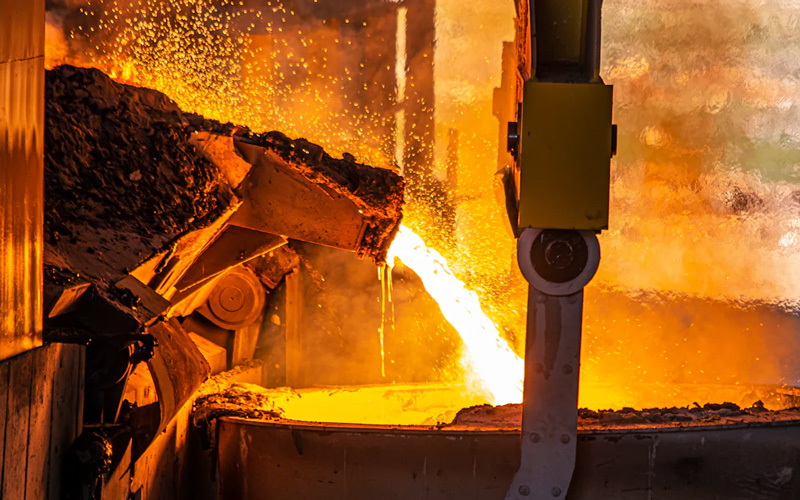
How to Choose Refractory Materials for Aluminum Melting Furnaces

Aluminum melting furnaces play a critical role in the aluminum processing industry. Whether used for aluminum ingot production, die-casting, recycling, or alloy manufacturing, the furnace lining directly affects thermal efficiency, product quality, operating safety, and furnace lifespan. Choosing the right Refractory Materials for Aluminum Melting Furnaces is therefore essential for stable furnace operation and long-term cost control.

As a professional refractory manufacturer with over 20 years of experience in high-temperature industrial applications, Xintai Refractory provides refractory solutions for aluminum melting furnaces used in foundries, aluminum recycling plants, and non-ferrous metal industries worldwide.

This article explains how to select suitable refractory materials for aluminum melting furnaces, common material types, application areas, and key factors influencing refractory performance.

Working Conditions of Aluminum Melting Furnaces

Before selecting refractory materials, it is important to understand the operating environment inside an aluminum melting furnace.

Although the melting temperature of aluminum is relatively low compared with steelmaking processes, the furnace lining still faces several severe conditions:

  • Continuous high-temperature operation
  • Chemical attack from molten aluminum
  • Oxidation and penetration by aluminum oxide slag
  • Thermal shock caused by heating and cooling cycles
  • Mechanical wear during charging and cleaning
  • Corrosion from fluxes and molten salts

The operating temperature of aluminum melting furnaces generally ranges from 700°C to 1200°C depending on furnace type and process conditions. These harsh conditions require refractory materials with:

  • High refractoriness
  • Excellent resistance to molten aluminum penetration
  • Strong thermal shock resistance
  • Low porosity
  • Good mechanical strength
  • Stable chemical properties

Selecting unsuitable refractory materials may lead to cracking, aluminum leakage, increased energy consumption, and frequent shutdowns.

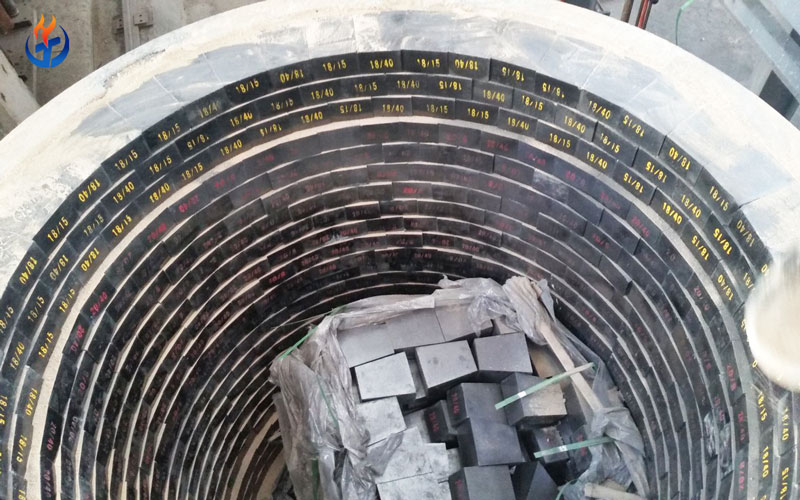
Refractory Linings for Aluminum Melting Furnaces

Common Types of Refractory Materials Used in Aluminum Melting Furnaces

1. Refractory Bricks

Refractory bricks are widely used in furnace walls, roofs, sidewalls, and working linings.

High Alumina Bricks

High alumina bricks contain a high percentage of Al₂O₃ and offer:

  • Excellent high-temperature strength
  • Good wear resistance
  • Strong resistance to chemical corrosion
  • Stable volume at elevated temperatures

They are commonly used in furnace walls and upper structures where high thermal stability is required.
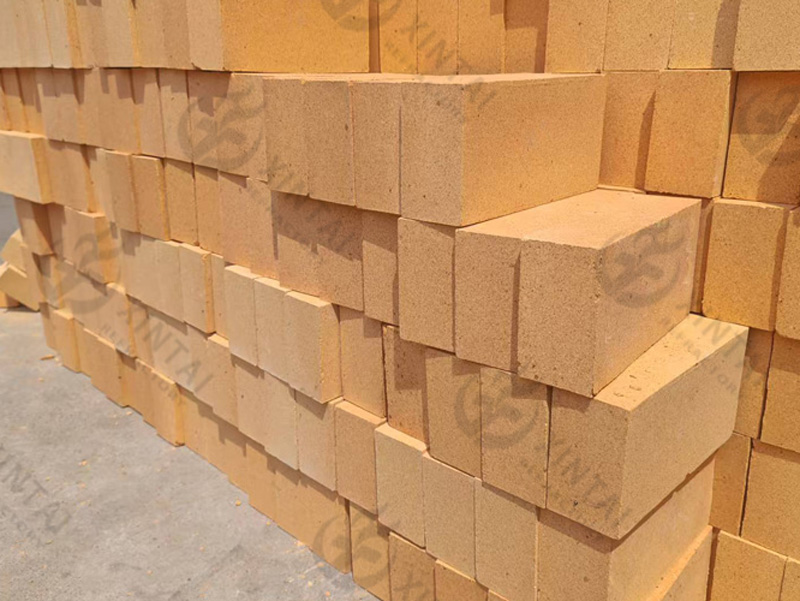
Refractory Materials for Aluminum Melting Furnaces

Mullite Bricks

Mullite bricks are made primarily from mullite minerals and are known for:

  • Excellent thermal shock resistance
  • Low thermal expansion
  • High refractoriness
  • Good creep resistance

These bricks are ideal for high-temperature areas of aluminum melting furnaces, especially where repeated heating and cooling cycles occur.

Magnesia-Alumina Spinel Bricks

Magnesia-alumina spinel bricks provide superior resistance to aluminum oxide and slag corrosion. They are suitable for:

  • Contact areas exposed to molten aluminum
  • Furnace hot spots
  • Severe chemical attack environments

Their strong anti-corrosion performance helps extend furnace lining service life.

2. Monolithic Refractory Materials

Monolithic refractories are increasingly popular in modern aluminum melting furnaces because of their flexible installation and excellent overall integrity.

Refractory Castables

Refractory castables are commonly used for:

  • Furnace bottoms
  • Sidewalls
  • Burner zones
  • Launders and tapping areas

Advantages include:

  • Easy installation
  • Seamless construction
  • Customizable formulations
  • Reduced maintenance time

Low Cement Castables

Low cement castables provide:

  • Higher mechanical strength
  • Better abrasion resistance
  • Lower porosity
  • Improved corrosion resistance

They are especially suitable for aluminum melting environments where molten metal penetration is a major concern.

Non-Wetting Castables

Non-wetting castables are specially designed to resist aluminum adhesion and penetration. These materials help:

  • Prevent aluminum buildup
  • Reduce cleaning frequency
  • Improve furnace efficiency
  • Extend lining life

For aluminum melting applications, non-wetting castables are among the most important Refractory Materials for Aluminum Melting Furnaces choices.

Plastic Refractories

Plastic refractories are mainly used for:

  • Emergency repairs
  • Patch maintenance
  • Complex-shaped areas

Their easy workability makes them ideal for quick furnace maintenance.

3. Silicon Carbide Refractory Materials

Silicon carbide (SiC) refractories are widely used in aluminum melting furnaces because of their outstanding properties.

Advantages of Silicon Carbide Materials

  • Excellent resistance to molten aluminum corrosion
  • High thermal conductivity
  • Strong wear resistance
  • Good thermal shock performance
  • Reduced slag adhesion

Common SiC products include:

  • Silicon carbide bricks
  • SiC castables
  • SiC protective coatings

These materials are particularly suitable for furnace hearths, sidewalls, and areas directly contacting molten aluminum.

4. Ceramic Fiber Insulation Materials

Modern aluminum melting furnaces increasingly use ceramic fiber products to improve thermal efficiency.

Ceramic Fiber Modules

Ceramic fiber modules are commonly installed in:

  • Furnace roofs
  • Furnace covers
  • Backup insulation layers

Benefits include:

  • Lightweight structure
  • Excellent insulation performance
  • Reduced heat loss
  • Faster heating cycles
  • Lower energy consumption

Compared with traditional dense refractory linings, ceramic fiber systems can significantly improve furnace efficiency.

However, ceramic fibers are usually not suitable for direct contact with molten aluminum and are mainly used as insulation layers.
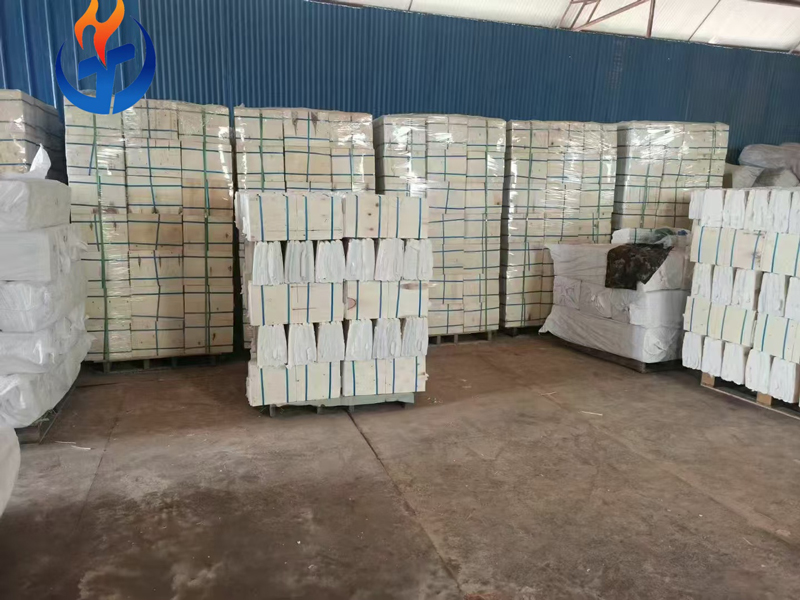
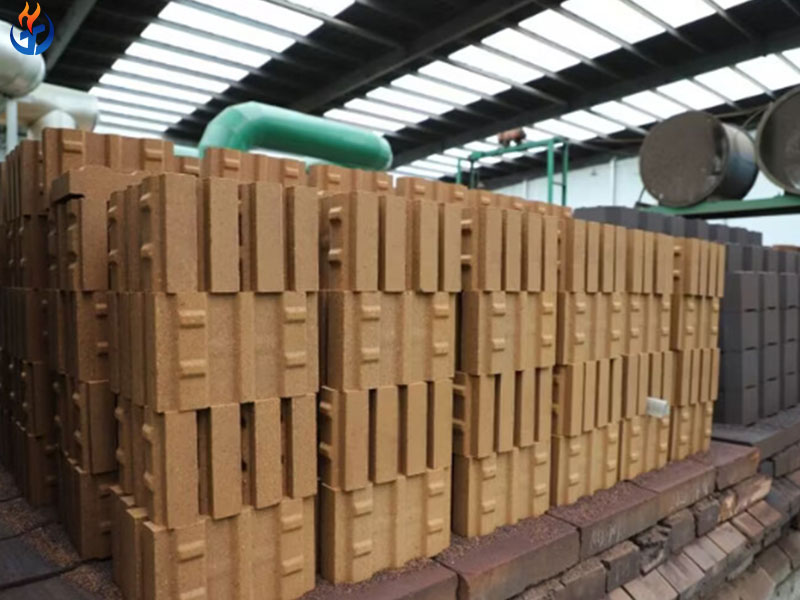
packing and shipping of Ceramic Fiber Module

Key Factors When Choosing Refractory Materials for Aluminum Melting Furnaces

Selecting the right Refractory Materials for Aluminum Melting Furnaces requires evaluating several important factors.

1. Furnace Operating Temperature

Different furnace zones experience different temperatures.

For example:

  • Furnace roof: high thermal load
  • Furnace hearth: direct molten aluminum contact
  • Burner area: flame erosion and thermal cycling

The refractory material must maintain stability at the maximum operating temperature.

High alumina bricks and mullite bricks are suitable for high-temperature areas, while ceramic fibers are preferred for insulation applications.

2. Resistance to Molten Aluminum Penetration

Molten aluminum can penetrate porous refractory structures and react chemically with certain materials.

Therefore, refractory materials should have:

  • Low porosity
  • Dense microstructure
  • Non-wetting properties
  • Strong chemical stability

Silicon carbide refractories and specialized non-wetting castables are highly recommended for direct aluminum contact zones.

3. Thermal Shock Resistance

Aluminum melting furnaces frequently experience rapid temperature changes during:

  • Furnace startup
  • Shutdown
  • Charging operations
  • Maintenance cycles

Poor thermal shock resistance may lead to cracking and spalling.

Materials such as mullite bricks and SiC refractories perform well under thermal cycling conditions.

4. Mechanical Strength and Wear Resistance

Furnace linings are exposed to:

  • Mechanical impact from scrap charging
  • Abrasion during slag removal
  • Metal flow erosion

Strong abrasion resistance helps extend furnace life and reduce downtime.

Low cement castables and silicon carbide materials are excellent options for high-wear areas.

5. Energy Efficiency Requirements

Energy consumption is a major operating cost in aluminum melting plants.

Using lightweight insulation materials such as ceramic fiber modules can:

  • Reduce heat loss
  • Improve thermal efficiency
  • Lower fuel consumption
  • Shorten melting cycles

A well-designed refractory system combines dense working linings with efficient insulation layers.

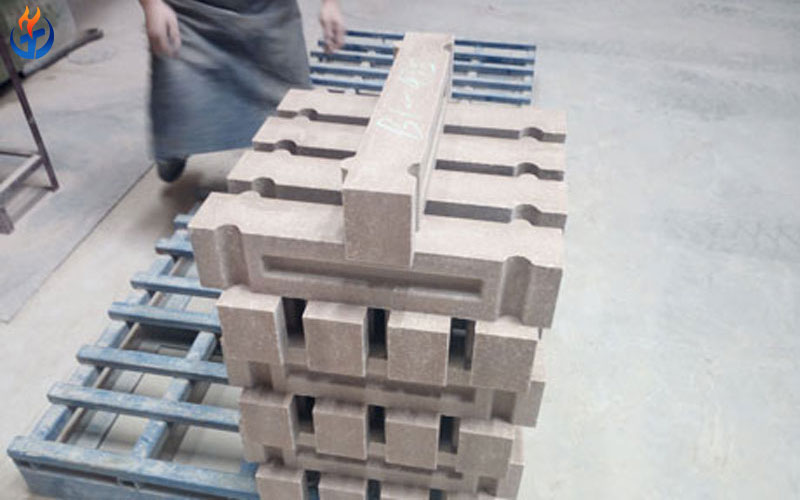
Magnesia Zirconia Bricks for Glass Kilns

Recommended Refractory Configuration for Aluminum Melting Furnaces

A typical aluminum melting furnace may use the following refractory structure:

Furnace AreaRecommended Refractory Material
Furnace RoofMullite bricks + ceramic fiber modules
Furnace WallsHigh alumina bricks or low cement castables
Furnace BottomNon-wetting castables or SiC castables
Molten Aluminum Contact ZoneSilicon carbide refractories
Burner AreaHigh-strength low cement castables
Backup InsulationCeramic fiber boards or blankets

This combination balances durability, corrosion resistance, and thermal efficiency.

Importance of Anti-Wetting Technology

One of the biggest challenges in aluminum melting furnaces is aluminum penetration into refractory linings.

Modern refractory technology uses anti-wetting additives and coatings to minimize aluminum adhesion.

Common anti-wetting solutions include:

  • Silicon carbide coatings
  • Alumina-based protective coatings
  • Specialized non-wetting additives
  • Dense anti-penetration formulations

These technologies help:

  • Reduce aluminum buildup
  • Improve furnace cleanliness
  • Extend lining service life
  • Lower maintenance costs

Conclusion

Choosing suitable Refractory Materials for Aluminum Melting Furnaces is essential for improving furnace efficiency, reducing maintenance costs, and extending furnace service life.

Because aluminum melting furnaces face challenges such as molten aluminum corrosion, thermal shock, slag attack, and mechanical wear, refractory selection must carefully consider:

  • Operating temperature
  • Chemical resistance
  • Thermal shock performance
  • Mechanical strength
  • Energy efficiency
  • Furnace structure

Commonly used refractory materials include:

  • High alumina bricks
  • Mullite bricks
  • Silicon carbide refractories
  • Low cement castables
  • Non-wetting castables
  • Ceramic fiber insulation materials

With extensive experience in refractory manufacturing and industrial furnace applications, Xintai Refractory can provide reliable refractory solutions tailored to the specific requirements of aluminum melting furnaces worldwide.

Scroll to Top