Cement rotary kilns operate under extreme temperatures, chemical interactions, and mechanical stress. Selecting the right rotary kiln refractory is crucial for ensuring operational efficiency, reducing maintenance, and extending service life. This article explores the various zones of a cement kiln, the types of refractory materials suitable for each, and the factors affecting their performance.
Key Zones of a Cement Rotary Kiln
Modern dry-process cement kilns are divided into specific zones based on material and gas temperatures:
- Drying Zone: Temperatures range from 20–150°C for the material and 250–400°C for gases. In modern kilns, this zone is almost negligible as raw material reaches 150°C in the first cyclone.
- Preheating Zone: Material reaches 150–800°C while gases reach 450–850°C. Dehydration of clay and organic decomposition occurs here.
- Decomposition Zone: Material temperature is 800–1000°C with gas temperature up to 1400°C. Carbonate decomposition primarily occurs in this section.
- Transition Zone (Exothermic Reaction Zone): Material temperature rises to 1000–1300°C, with frequent kiln skin formation.
- Burning Zone: The highest temperature zone, reaching 1350–1400°C for material and up to 2000°C for flame. Refractory here must resist chemical attack and support kiln skin adhesion.
- Cooling Zone: Material temperature drops from 1100–1300°C as it exits the kiln, requiring refractories with good thermal shock resistance.
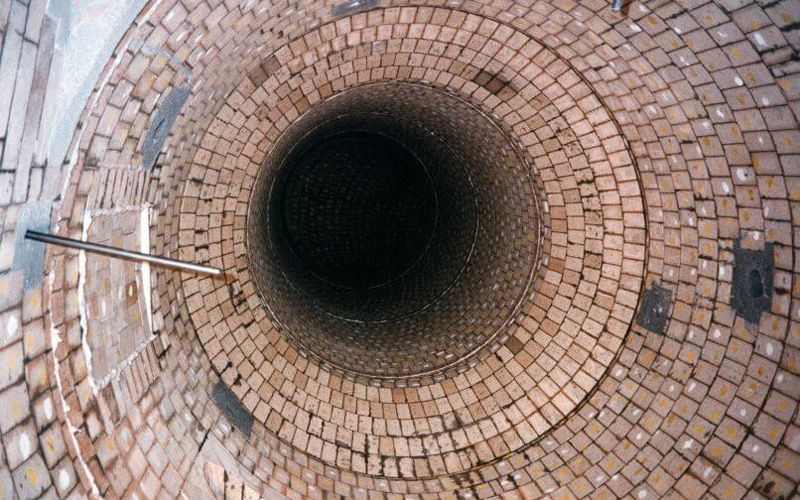
Types of Rotary Kiln Refractory by Zone
Drying and Preheating Zones:
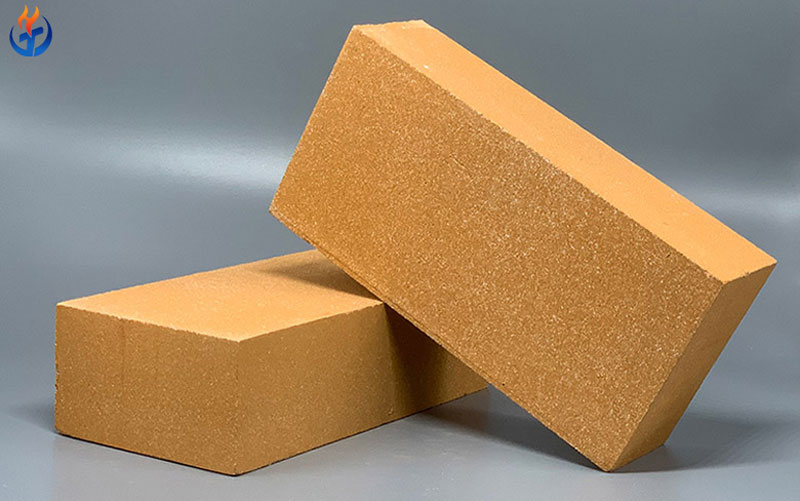
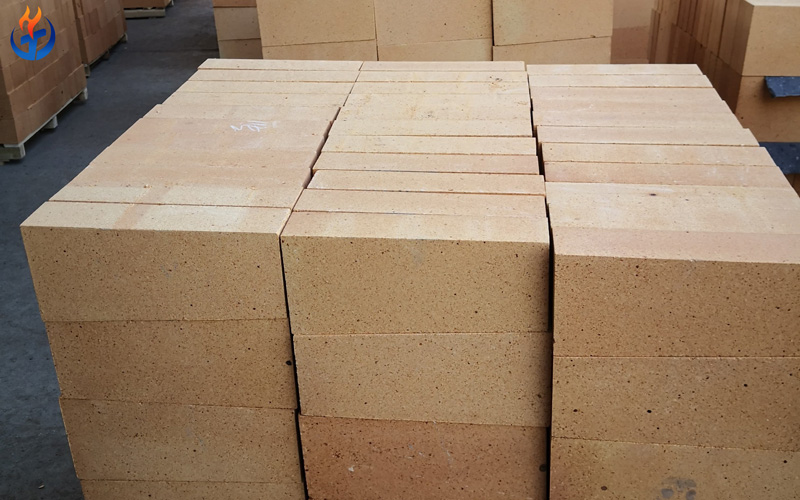
In these zones, the refractory must withstand moderate heat, chemical interaction, and mechanical abrasion. Energy efficiency is also important, so insulating properties are valued. Suitable options include high-alumina bricks, acid-resistant castables, and insulating bricks. These materials help maintain uniform heating, reduce energy loss, and prevent early wear of the kiln lining, extending service life while ensuring consistent preheating of raw materials.
Decomposition and Transition Zones:
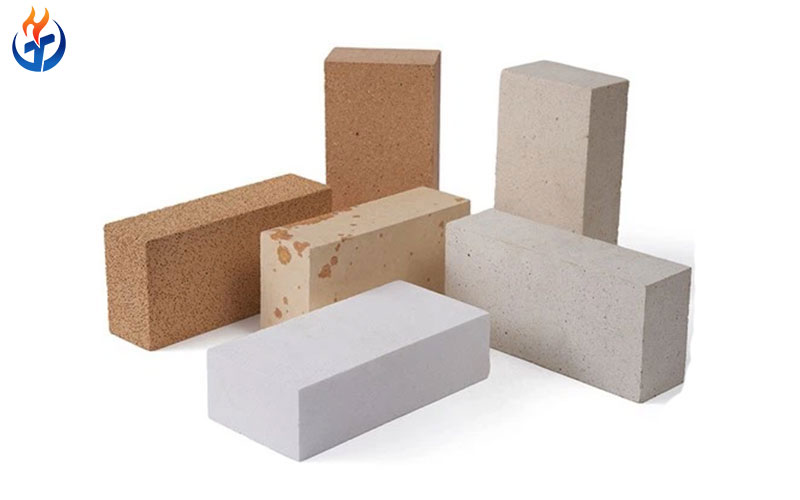
These zones are subjected to high chemical and thermal stress due to carbonate decomposition and exothermic reactions. Refractories must resist thermal cycling, chemical corrosion, and abrasion from moving materials. Recommended choices include high-alumina bricks (50–80% Al₂O₃), spinel bricks, direct-bonded magnesia-chrome bricks, and standard magnesia-chrome bricks. Proper refractory selection ensures stable operation, prevents lining spalling, and maintains efficient heat transfer for clinker formation.
Burning Zone:
The burning zone experiences extreme temperatures and aggressive chemical attack from molten clinker and fluxing compounds. Refractories here must provide high temperature strength, resistance to slag and clinker adhesion, and structural stability under thermal and mechanical stress. Optimal materials include magnesia bricks, magnesia-chrome bricks, and bricks with high kiln skin adherence. Choosing the right refractory improves clinker quality, reduces downtime, and enhances kiln efficiency.
Cooling Zone:
Rapid cooling of clinker subjects the lining to intense thermal shock. Refractories must combine thermal shock resistance with mechanical strength to withstand abrasive clinker movement. High-alumina bricks, spinel bricks, insulating bricks, and lightweight castables are commonly used. These materials minimize heat loss, protect the kiln shell, and ensure long service life under challenging cooling conditions, preventing cracks or spalling caused by rapid temperature fluctuations.
Factors Affecting Rotary Kiln Refractory Lifespan
- Thermal Stress: Refractory expands under high temperature. Improper expansion joints or uneven heat distribution can cause cracking or spalling.
- Mechanical Stress: Kiln rotation, misaligned rollers, and kiln shell deformation can generate compressive and shear stress on the lining.
- Chemical Stress: Alkalis, sulfates, chlorides, and molten slag can penetrate bricks, leading to erosion and formation of low-melting compounds.
- Operational Factors: High flame temperatures, rapid kiln rotation, fluctuating raw material feed, and irregular firing cycles accelerate refractory wear.
Special Refractory Requirements
- Kiln Heads and Burner Zones: Require high thermal shock resistance, anti-alkali properties, and high-temperature strength.
- Preheater and Decomposition Tower: Often constructed with castables or clay bricks with insulating layers.
- Clinker Discharge and Cooling System: Must resist mechanical wear from hot clinker and maintain dimensional stability under thermal cycling.
Extending Refractory Service Life
- Use castables with additives to improve resistance to alkali and chemical corrosion.
- Incorporate micro-cracks via controlled expansion agents to buffer thermal and mechanical stress.
- Optimize installation and construction methods, including proper anchoring and secondary vibration casting.
- Maintain consistent kiln operation, controlling raw material composition, flame shape, and feed rates.
Conclusion
Selecting the right rotary kiln refractory for each section of a cement kiln is essential for achieving high production efficiency, reducing unplanned shutdowns, and extending the lining’s service life. Understanding the operating conditions, material stresses, and chemical environment allows engineers to make informed choices of bricks and castables, ensuring reliable and cost-effective kiln operation.
For high-performance refractory solutions, explore advanced high-alumina and magnesia-chrome bricks designed for modern cement rotary kilns.