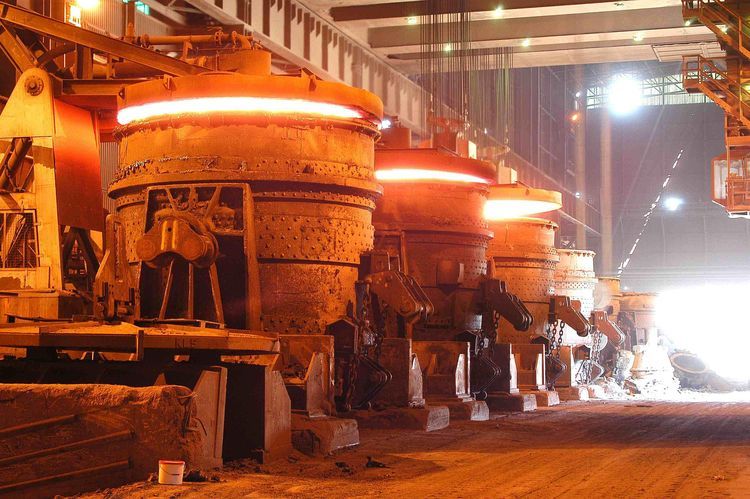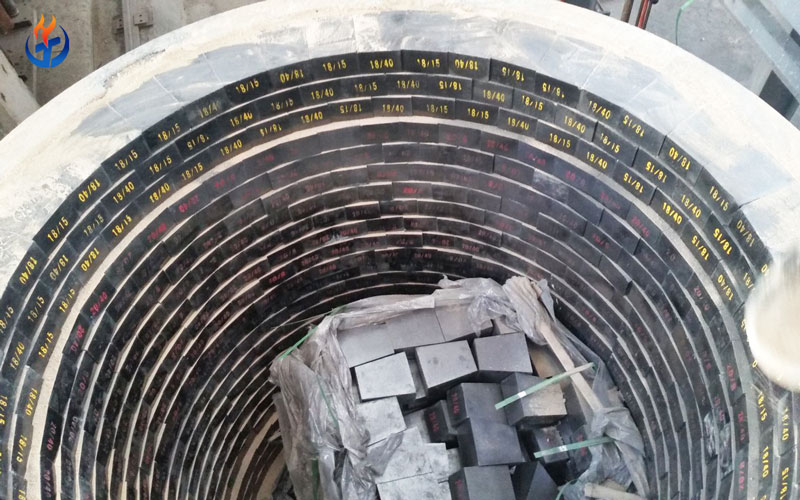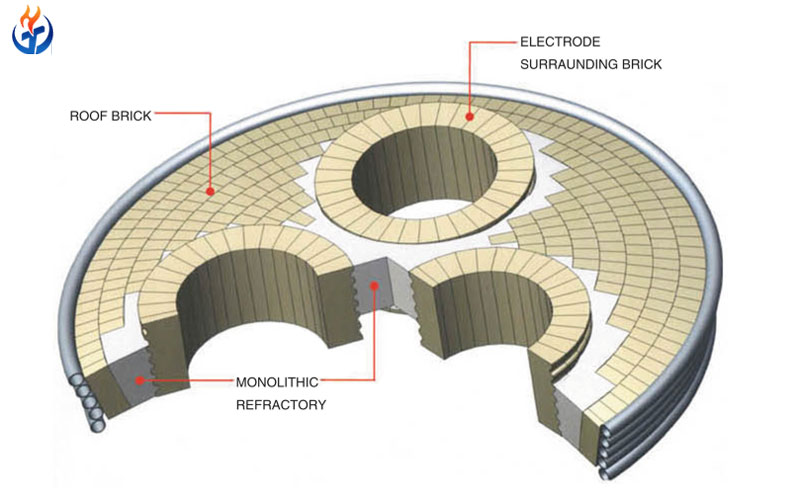
Electric Arc Furnaces (EAFs) are at the heart of modern steel production, offering flexibility, energy efficiency, and the ability to recycle scrap steel. However, the performance and lifespan of an EAF heavily depend on the quality of the materials lining the furnace. Selecting the right refractory materials for electric arc furnaces is critical not only for operational efficiency but also for ensuring consistent steel quality and minimizing maintenance costs.
This article compares common refractory materials used in EAFs, focusing on three key performance criteria: longevity, thermal shock resistance, and operational efficiency. Understanding these factors will help steelmakers make informed decisions when designing or upgrading their furnace lining systems.
Understanding EAF Refractory Materials
Refractory materials act as the protective barrier between molten steel, slag, and the steel shell of the furnace. They must withstand extreme heat, chemical attack from slag, and the mechanical stress caused by charging and tapping operations. The main types of refractory materials commonly used in EAFs include:
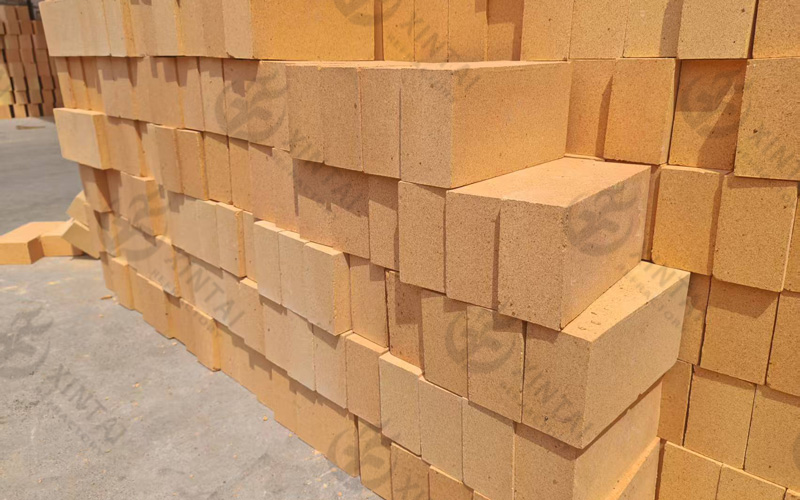
- Alumina bricks
- Magnesia bricks
- Alumina-magnesia composites
- Alumina fiber modules and insulating boards
- Advanced ceramics (zirconia and spinel-based)
Each material offers a unique combination of properties that affect the furnace’s durability, efficiency, and overall cost of operation.
Key Performance Metrics for Refractory Materials
When comparing refractory materials for electric arc furnaces, three performance metrics are crucial:
1. Longevity
The lifespan of a refractory lining directly influences operational costs and downtime. Frequent relining increases maintenance expenses and reduces production efficiency. Factors affecting longevity include chemical composition, mechanical strength, and resistance to wear from molten steel and slag.
- Alumina Bricks: High-alumina bricks (≥90% Al₂O₃) offer excellent chemical stability and mechanical strength. They are highly durable in contact with acidic slags but can suffer erosion if exposed to basic slag conditions.
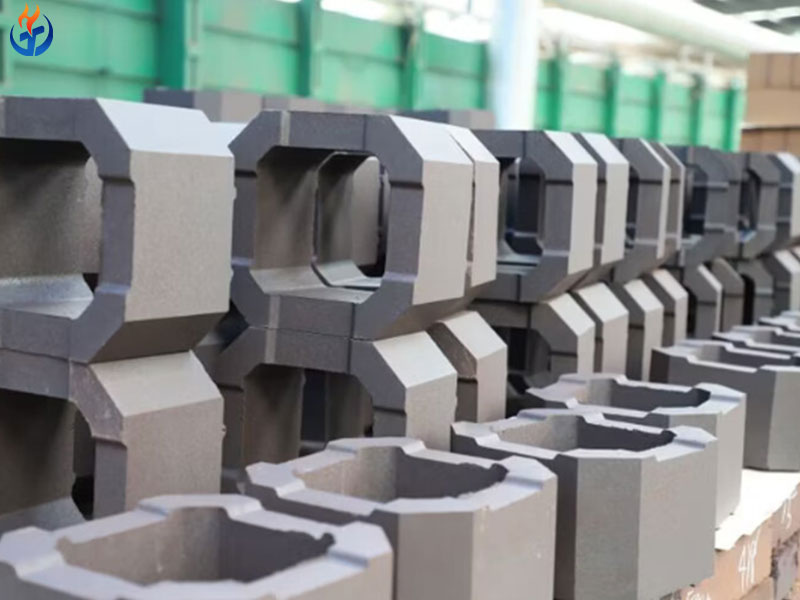
- Magnesia Bricks: Known for superior resistance to basic slags, magnesia bricks excel in high-alkaline environments. They are less resistant to acidic slags but provide exceptional longevity in compatible conditions.
- Alumina-Magnesia Composites: These materials combine the benefits of both alumina and magnesia, offering balanced resistance to both acidic and basic slags while extending overall service life.
- Alumina Fiber and Insulating Boards: Fiber-based refractories provide lower mechanical strength but are highly durable when used in insulated zones or less mechanically stressed areas.
2. Thermal Shock Resistance
EAFs experience rapid temperature fluctuations during charging, tapping, and arc striking, which can cause thermal shock. Thermal shock resistance is essential to prevent cracks, spalling, and premature failure.
- Alumina Bricks: High-purity alumina bricks resist thermal shock reasonably well, but repeated cycling at extreme temperatures can cause micro-cracking over time.
- Magnesia Bricks: These bricks have moderate thermal shock resistance, performing best under steady or slightly fluctuating thermal conditions.
- Alumina-Magnesia Composites: By combining two materials with different thermal expansion characteristics, composites exhibit improved thermal shock resistance, making them ideal for critical zones.
- Alumina Fiber Modules: Fiber-based refractories excel in thermal shock resistance due to their flexible structure and low density, making them suitable for furnace roofs and sidewalls where high-temperature cycling occurs.
- Advanced Ceramics: Zirconia and spinel-based materials can withstand extremely high temperature changes with minimal cracking, though their high cost limits widespread use.
3. Operational Efficiency
The choice of refractory materials also affects furnace efficiency by influencing heat retention, energy consumption, and productivity.
- Thermal Conductivity: Insulating materials like alumina fiber reduce heat loss, helping maintain molten steel temperature with lower energy input.
- Slag Resistance: Refractories that resist slag erosion maintain the furnace lining shape longer, minimizing downtime and improving production consistency.
- Maintenance Frequency: Durable materials reduce the need for frequent relining or repairs, which directly translates to higher operational efficiency.
By optimizing the balance between thermal insulation and mechanical durability, steelmakers can maximize furnace uptime and reduce electricity costs—a critical consideration given the high energy demand of EAFs.
Comparing Common Refractory Materials
| Material | Longevity | Thermal Shock Resistance | Efficiency Considerations | Ideal Application |
|---|---|---|---|---|
| Alumina Bricks | High in acidic slags | Moderate | Good, moderate insulation | Furnace sidewalls, slag line |
| Magnesia Bricks | High in basic slags | Moderate | Moderate | Areas exposed to basic slags, high-alkaline zones |
| Alumina-Magnesia Composites | Very high | High | Balanced | Critical wear zones, high-stress areas |
| Alumina Fiber/Insulating Boards | Moderate | Very high | Excellent insulation, reduces energy loss | Furnace roof, upper walls, insulated zones |
| Zirconia/Spinel Ceramics | Very high | Very high | High cost, specialized efficiency | Specialty steel production, extreme thermal cycling zones |
Optimizing EAF Refractory Performance
To maximize the lifespan and efficiency of an electric arc furnace, consider the following strategies:
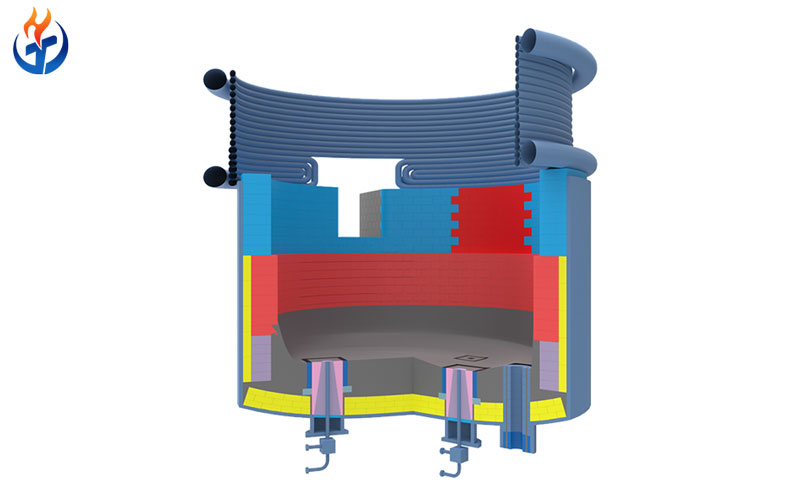
- Layered Lining Design: Use high-purity bricks for hot-face layers, insulating fibers for energy retention, and composite materials in high-wear zones.
- Targeted Reinforcement: Reinforce critical zones such as tap holes, furnace roofs, and slag lines with premium materials.
- Monitoring and Maintenance: Implement thermal and wear sensors to track lining performance, enabling predictive maintenance and minimizing unexpected downtime.
- Balancing Cost and Performance: Invest in durable, high-performance materials in critical areas while using cost-effective bricks or insulating materials in less stressed zones.
By combining the right materials with proper maintenance strategies, steelmakers can improve furnace longevity, reduce energy consumption, and produce higher-quality steel with consistent properties.
Conclusion
Selecting the appropriate refractory materials for electric arc furnaces is a critical decision for any steelmaking operation. Longevity, thermal shock resistance, and operational efficiency are the three most important criteria when evaluating different refractory options.
- Alumina bricks offer strong durability in acidic environments.
- Magnesia bricks excel in basic slag zones.
- Alumina-magnesia composites provide balanced performance for high-stress areas.
- Fiber-based and advanced ceramics enhance thermal shock resistance and energy efficiency.
Understanding these material characteristics and strategically designing the furnace lining can significantly reduce operational costs, minimize downtime, and extend the life of your EAF. For steelmakers, mastering refractory selection is not just a technical necessity—it is a key factor in optimizing production efficiency and maximizing return on investment.
By partnering with experienced refractory material suppliers, EAF operators can access tailored solutions that align with their operational priorities, ensuring consistent performance, reduced maintenance, and improved energy efficiency.