In ladle refining, the choice of refractory lining can make or break operational efficiency, longevity, and cost-effectiveness. Steel ladle refractory lining endure extreme thermal and mechanical stress during the refining process, making the lining material selection critical. A strategic approach ensures better thermal stability, improved chemical resistance, and minimized downtime.
Understanding Operational Demands
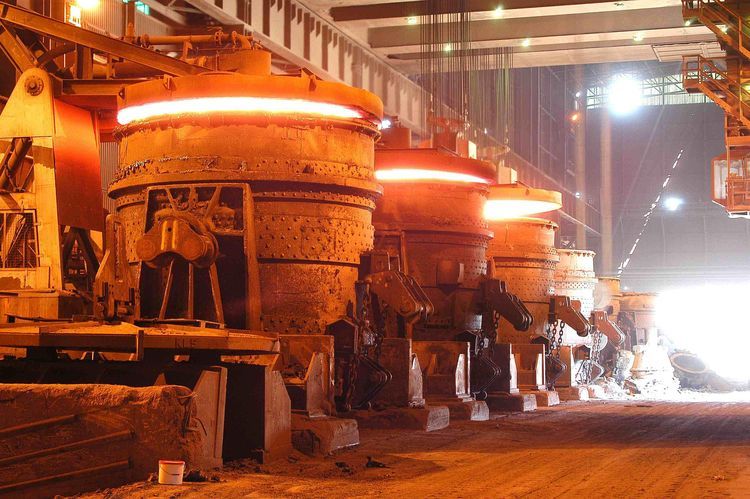
Steel ladles operate under highly dynamic conditions. Temperature fluctuations during steel transfer and alloying, combined with mechanical shocks from tapping and slag handling, create a demanding environment for refractory linings. Selecting the appropriate refractory lining requires a detailed evaluation of operational parameters, including pouring temperature, holding duration, slag composition, and ladle size.
For ladle refining, where precise chemical composition and temperature control are essential, the lining must withstand high thermal shock, chemical corrosion from slag, and physical wear from repeated handling. Ignoring these factors often leads to premature wear, lining failure, and increased maintenance costs.
Material Composition and Performance
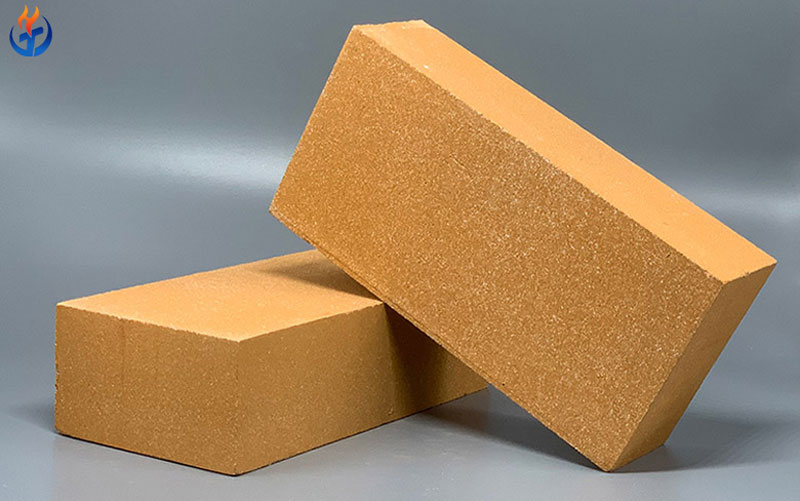
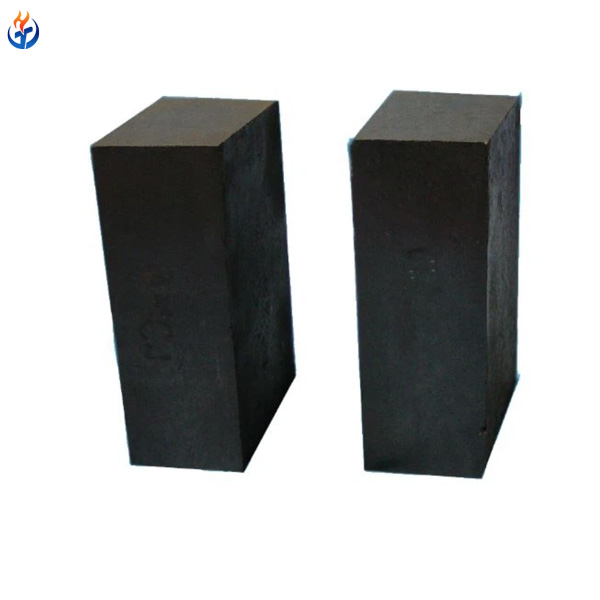
Different types of refractory linings offer varying benefits. Magnesia-carbon (MgO-C) bricks, for instance, are highly resistant to slag erosion and thermal shock, making them a common choice for primary and secondary steel refining. Their carbon content provides excellent thermal conductivity, ensuring uniform heat distribution and faster temperature stabilization.
For operations where corrosion from basic slags is prevalent, high-purity magnesia bricks can extend service life. In contrast, alumina-based bricks may be preferred for acidic or neutral slags. Specialty composite castables, combining dense and insulating layers, can optimize energy efficiency and reduce overall wear rates.
The balance between mechanical strength, slag resistance, and thermal conductivity is crucial. High-strength bricks can withstand mechanical wear but may be more susceptible to thermal cracking. Conversely, castables with higher thermal shock resistance may trade off some compressive strength. A careful assessment of ladle operation conditions helps determine the optimal trade-off.
Layered Lining Systems
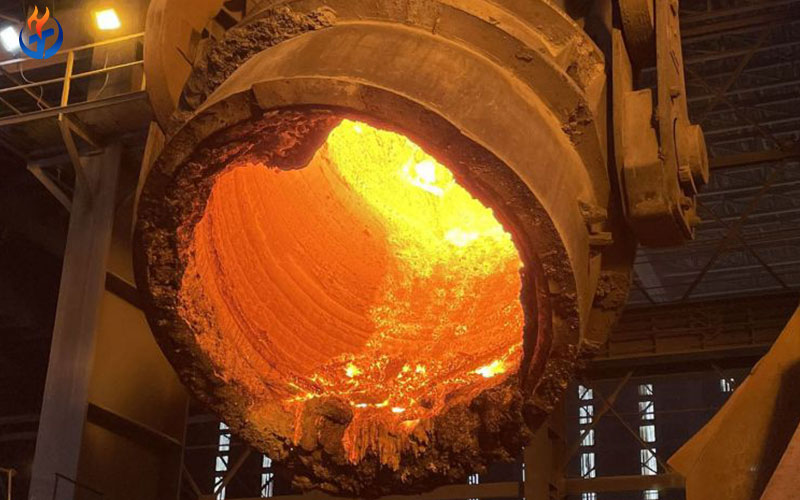
Modern steel ladle refractory linings often employ multi-layered refractory systems. An inner working layer provides direct protection against molten steel and slag. This layer is critical for controlling heat loss, minimizing erosion, and maintaining steel quality. Above the working layer, a backup insulating layer reduces heat transfer to the ladle shell, maintaining structural integrity and energy efficiency.
Some manufacturers also recommend a wear-resistant ceramic coating on the working layer to improve slag resistance and reduce adherence. Layered systems allow operators to customize lining performance for specific refining cycles, reducing replacement frequency and operational disruptions.
Customization for Steel Ladle Refractory Lining Size and Process
Not all ladles are the same. Large capacity ladles handling hundreds of tons of molten steel impose different stress profiles than smaller units. High-volume ladles require linings with enhanced thermal shock resistance to prevent spalling during tapping and alloying. Conversely, smaller ladles, with shorter holding times, benefit more from linings optimized for chemical corrosion resistance and quick heat recovery.
Customization also extends to linings designed for specific steel grades. Stainless steel refining may require refractory compositions resistant to high chromium and nickel content slags, whereas carbon steel operations prioritize resistance to basic oxygen furnace slags. By tailoring linings to the steel grade, operators can improve service life and maintain consistent steel quality.
Installation and Maintenance Considerations
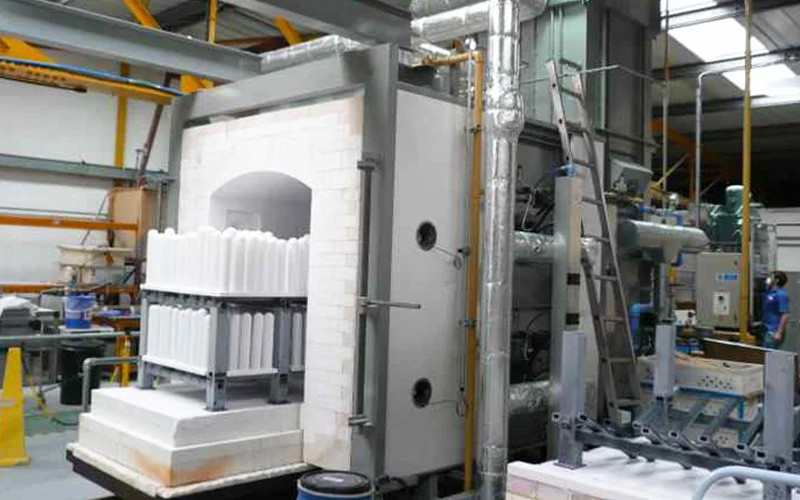
Proper installation is as important as material selection. Preheating procedures, curing schedules, and joint alignment significantly influence lining performance. Improper installation can induce thermal stress, creating cracks that propagate during operation. For castable linings, controlled drying and firing schedules prevent shrinkage and early failure.
Regular maintenance and monitoring further extend lining life. Visual inspections for cracks, wear mapping, and thermal imaging can identify problem areas before catastrophic failure occurs. Some operators also integrate predictive maintenance software, tracking ladle cycles and lining degradation patterns to plan replacements proactively.
Operational Benefits of Optimal Lining
Choosing the right refractory lining directly impacts operational efficiency. Enhanced thermal insulation reduces energy consumption by maintaining molten steel temperature longer, minimizing reheating requirements. Improved chemical resistance decreases the frequency of lining replacements, reducing downtime and associated costs.
Moreover, a high-performance lining ensures more consistent steel quality. Even temperature distribution and minimal slag contamination improve alloy uniformity, reducing defects and rework. In competitive steel production environments, these advantages translate into tangible cost savings and higher productivity.
Partnering with Experienced Manufacturers
Refractory performance is not just about material selection; collaboration with experienced manufacturers is crucial. Manufacturers with expertise in steel ladle linings provide valuable guidance on material formulations, installation practices, and lifecycle management. They often offer custom solutions that account for ladle size, steel grade, and refining cycles, ensuring optimal performance.
Additionally, suppliers with a track record in delivering linings for diverse operational conditions can advise on emerging refractory technologies, such as carbon-free magnesia castables or hybrid insulating systems. Leveraging this knowledge reduces the risk of premature lining failure and improves operational efficiency.
Conclusion
In steel ladle refining, the right refractory lining is more than a consumable—it is a strategic component of operational efficiency, safety, and quality control. Evaluating operational demands, slag chemistry, thermal cycles, and ladle design enables a precise selection of refractory material. Layered systems, tailored formulations, and proper installation enhance durability while minimizing downtime.
By partnering with experienced manufacturers and implementing proactive maintenance strategies, steelmakers can achieve longer lining life, improved energy efficiency, and consistent steel quality. Making informed choices in refractory lining not only protects the ladle but also optimizes the entire refining process, translating into measurable operational and financial benefits.