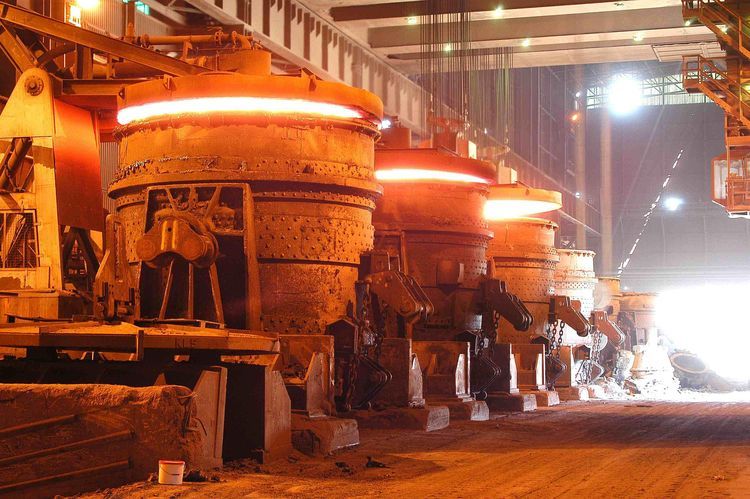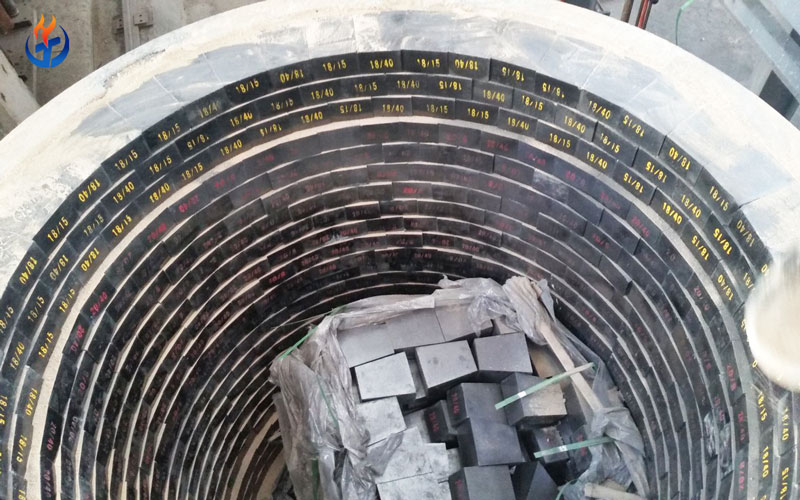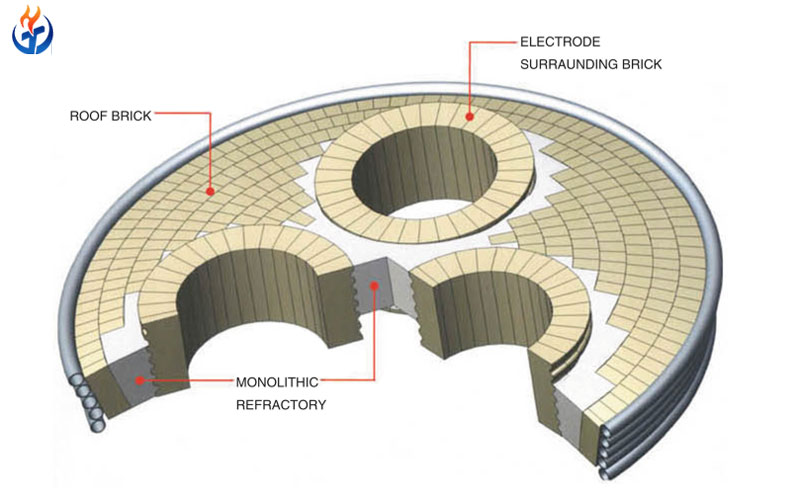
In blast furnace production, selecting the right refractory materials is crucial for ensuring the longevity and efficiency of furnace linings, as well as optimizing the overall performance of the ironmaking process. Refractory materials are exposed to extreme conditions, including high temperatures, abrasive wear, and chemical interactions with molten iron and slag. Therefore, choosing the proper refractory for different sections of the blast furnace is essential for minimizing downtime and maximizing productivity.
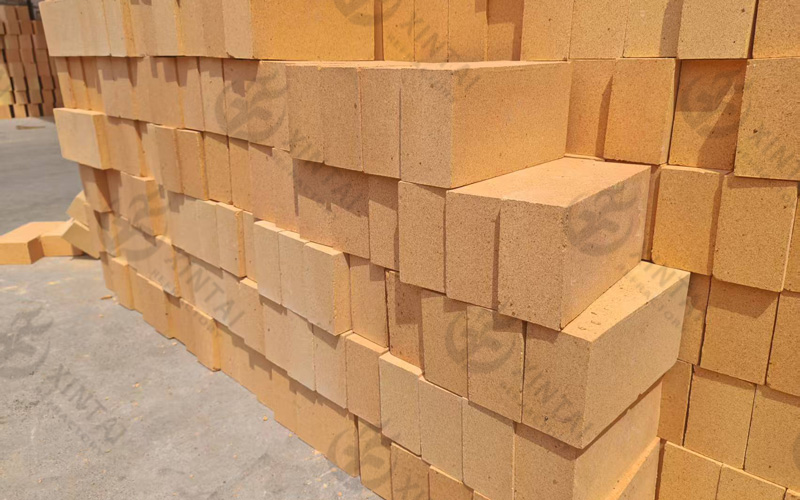
Key Factors to Consider in Choosing Refractory Materials
1. High Temperature Resistance
Blast furnaces operate at extremely high temperatures, typically ranging between 1,200°C to 1,600°C. Refractory materials used in blast furnace linings need to withstand these temperatures without degrading or losing their strength. Materials like alumina-based refractories and silicon carbide (SiC) are often used for their excellent high-temperature stability.
- Alumina Refractories: These materials are highly resistant to heat and provide stability at temperatures above 1,500°C. However, they may suffer from damage due to alkali attack, which is a key challenge in high furnace conditions.
- Silicon Carbide (SiC): Known for its excellent thermal conductivity and high-temperature stability, SiC refractories are used especially in lower parts of the furnace where temperatures are highest. SiC materials also have good resistance to wear and abrasion.
2. Chemical Stability and Alkali Resistance
Blast furnace refractories are exposed to chemical reactions with various substances such as slag, iron, and alkalis. Alkali compounds in the furnace gas can damage refractory linings, especially when they react with silica or alumina-based materials to form eutectics. Therefore, selecting refractories with high alkali resistance is important.
- Silicon Carbide-based Refractories: These materials exhibit good chemical inertness and can withstand the effects of alkali compounds better than traditional alumina refractories.
- Magnesia-based Refractories: Magnesia (MgO) refractories are commonly used in blast furnaces, especially in areas where they are exposed to slag and iron, due to their chemical stability and resistance to alkaline and basic slags.
3. Wear Resistance and Erosion Resistance
Blast furnace refractories must endure continuous wear and erosion caused by the flow of molten iron, slag, and the high-temperature gases within the furnace. In particular, the lower and middle sections of the furnace experience the highest erosive forces.
- Carbon-Based Refractories: Carbon bricks, such as graphite and silicon carbide composites, offer excellent wear resistance and stability under reducing atmospheres. Carbon refractories are used extensively in the hearth and the lower parts of the furnace where iron and slag erosion is most severe.
- Self-Bonded Silicon Carbide: These materials offer excellent resistance to wear and erosion. Self-bonded SiC refractories are often chosen for their stability under high thermal and chemical stress.
4. Thermal Shock Resistance
Blast furnaces undergo temperature fluctuations due to irregular operation, causing thermal stress on the refractory lining. Thermal shock resistance is critical to ensure the refractory does not crack or fail due to rapid temperature changes.
- Silicon Nitride-Bonded Silicon Carbide (Si3N4-SiC): This combination offers excellent thermal shock resistance, making it ideal for the middle sections of the furnace. It can withstand rapid temperature changes without cracking.
- Magnesia Spinel-based Refractories: These refractories offer superior thermal shock resistance and are often used in the upper sections of the furnace where thermal cycling is more frequent.
5. Service Life and Maintenance Requirements
The overall service life of the refractory material is an important consideration, especially in a blast furnace, which may operate continuously for many years. A longer service life leads to fewer repairs and downtime, increasing overall productivity.
- Magnesia-Chrome and Alumina-Magnesia Bricks: These materials offer long-lasting performance in high-temperature zones like the furnace belly and hearth, reducing the frequency of maintenance and repair.
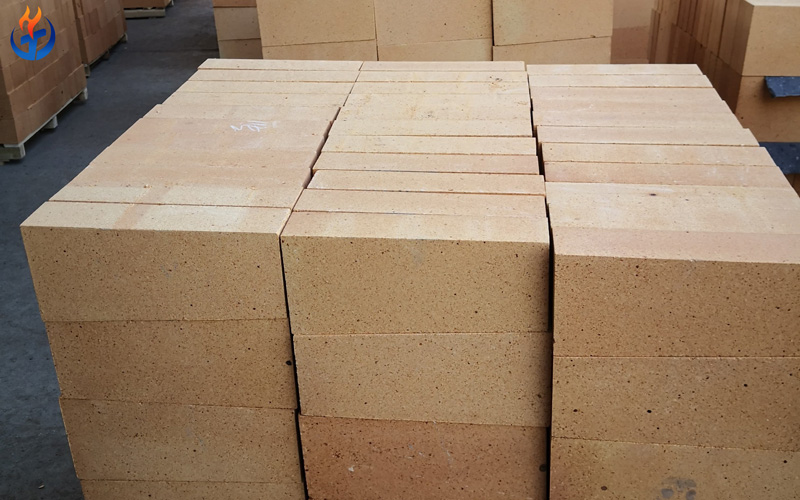
- High-Alumina and Silica Bricks: These are typically used in the furnace lining where temperature stability is key. They offer a good balance of performance and longevity, but they may require periodic replacement due to alkali or slag erosion.
6. Environmental and Operational Conditions
The environmental conditions inside a blast furnace can vary greatly depending on the operation and the materials used. This variability must be considered when selecting refractories. Some furnaces are designed to handle specific materials such as coke, while others may be optimized for different kinds of raw iron ores or even new energy-efficient technologies.
- Carbon-Containing Refractories: These are often used in blast furnaces that are designed for lower emission or energy-saving processes, as carbon helps reduce the amount of oxygen available in the furnace atmosphere, minimizing oxidation.
7. Cost Efficiency
Refractory materials come with different price points depending on their performance, quality, and availability. While high-performance materials like SiC and magnesia refractories are durable and offer exceptional resistance to wear, they may also come with a higher price tag. Balancing performance and cost is crucial, as choosing a cheaper option may result in more frequent repairs and downtime.
Types of Refractory Materials for Different Furnace Zones
The furnace can be divided into several zones: the hearth, the bosh, the belly, and the top (tuyere zone). Different refractory materials are used in these zones based on temperature, chemical exposure, and wear factors.
1. Hearth Zone (Lower Part of the Furnace)
The hearth is exposed to the most intense heat and is where molten iron is collected. Therefore, the refractory materials here must be able to withstand high temperatures and erosion caused by molten iron.
- Carbon and SiC Refractories: These materials are often used in the hearth due to their resistance to both high temperatures and iron erosion. Carbon-based materials, in particular, perform well under reducing conditions.
2. Bosh and Belly Zones (Middle Furnace Sections)
The bosh and belly sections are also subject to high temperatures, but these areas also experience chemical corrosion from the slag and gaseous phase inside the furnace.
- Magnesia and SiC Refractories: These are chosen for their resistance to slag corrosion, abrasion, and thermal shock. The middle sections of the furnace are generally where the highest mechanical stresses occur.
3. Top Zone and Tuyere Zone (Upper Furnace Parts)
The top zone and tuyere zone are exposed to lower temperatures compared to the other zones but still need refractory materials that can withstand chemical attack from gases like CO and CO2, as well as thermal stresses.
- High-Alumina and Alumina-Silica Bricks: These are used in the upper sections of the furnace due to their ability to handle moderate heat and chemical exposure while providing excellent insulation properties.
Conclusion
Choosing the right refractory materials from Xintai Refractory for blast furnaces is a complex process that involves evaluating multiple factors, including temperature resistance, chemical stability, wear and erosion resistance, thermal shock resistance, service life, and cost. Materials such as alumina, silicon carbide, and carbon-based refractories offer a range of benefits depending on their application in different zones of the furnace.
By carefully selecting refractories tailored to specific operational conditions, blast furnace operators can significantly improve the efficiency and longevity of their equipment, reducing downtime and maintenance costs. As the steel industry continues to innovate and evolve, the development of new refractory technologies will further enhance furnace performance and operational sustainability.