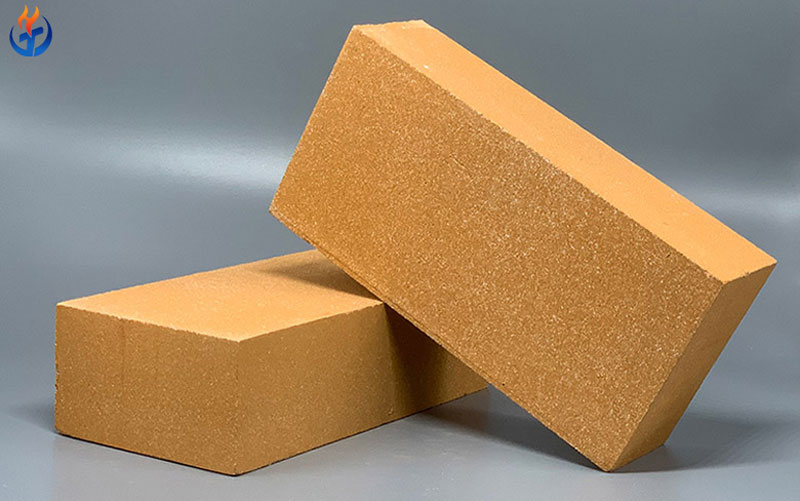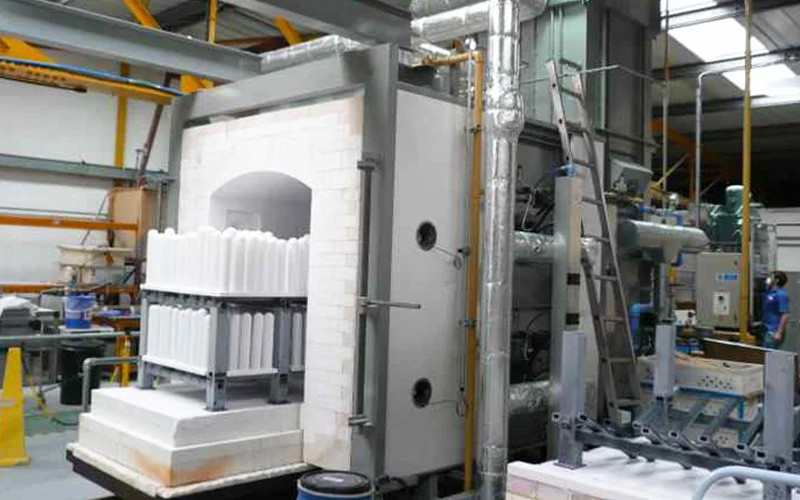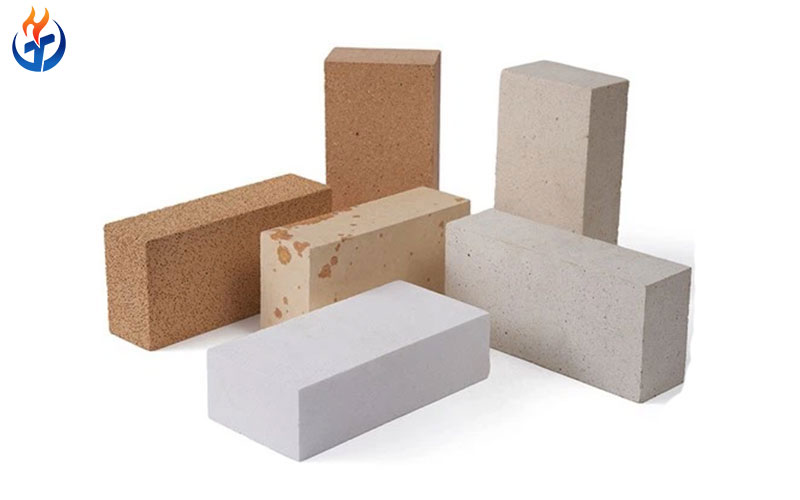
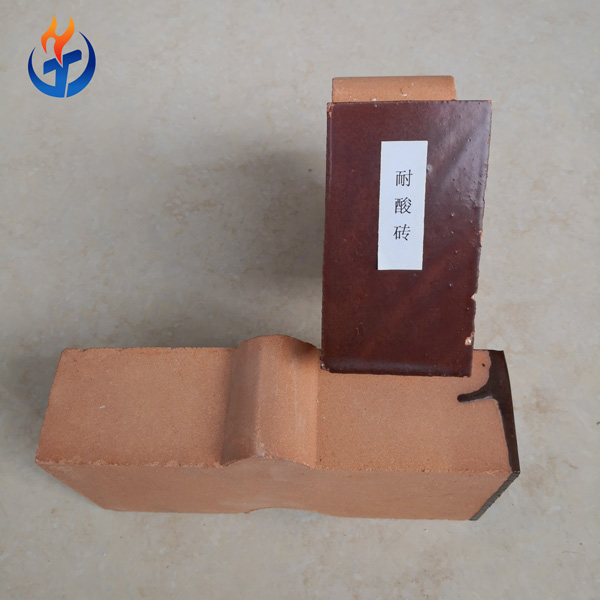
Acid-resistant bricks are widely used in industries that require resistance to strong acids, alkaline substances, and high-temperature environments. To meet the diverse needs of different applications, acid-resistant bricks come in various types, each offering distinct advantages. This article will provide a detailed analysis of the different types of acid-resistant bricks and their features, along with their core performance characteristics in real-world applications.
Classification by Surface Treatment Process
Plain Surface Acid-Resistant Bricks
- Features: Plain surface acid-resistant bricks do not have a glaze layer on the surface. They present a matte finish with excellent anti-slip properties, similar to a cement floor. The surface is rough, which increases friction, making them ideal for environments where anti-slip properties are required.
- Applications: These bricks are commonly used in factory workshops, underground sewage systems, and other humid environments that require slip resistance. Due to their anti-slip nature, they are found in high-traffic areas where floors are often wet and slippery.
- Advantages: Plain surface acid-resistant bricks are highly durable and resistant to corrosion. However, since they lack a glaze layer, they are more difficult to clean and require more maintenance.
Glazed Acid-Resistant Bricks
- Features: These bricks have a thick glaze layer on the surface, giving them a smooth, shiny appearance. The glazed surface provides excellent anti-staining properties and makes them easy to clean.
- Applications: Glazed acid-resistant bricks are used in areas that require high cleanliness standards, such as factory walls, tank linings, and internal surfaces.
- Advantages: They are resistant to acid and alkali corrosion and easy to clean. However, their anti-slip properties are weaker compared to plain surface bricks, making them less suitable for areas requiring slip resistance.
Semi-Glazed Acid-Resistant Bricks
- Features: Semi-glazed acid-resistant bricks combine the advantages of plain and glazed bricks. They have a thin glaze layer while retaining some of the granular texture, offering a balance between slip resistance and ease of cleaning.
- Applications: These bricks are ideal for places where both slip resistance and easy maintenance are required, such as in chemical plant floors.
- Advantages: They provide excellent versatility and performance, striking a balance between practical anti-slip properties and cleanliness.
Classification by Functional Characteristics
Standard Acid-Resistant Bricks
- Features: Standard acid-resistant bricks are general-purpose products with high resistance to acids and alkalis (≥99.82%). They have low water absorption (≤0.4%) and a bending strength of ≥21.8 MPa.
- Applications: These bricks are widely used in floors, tank linings, and other routine anti-corrosion projects. Their strong acid and alkali resistance make them suitable for various chemical and industrial environments.
- Advantages: They offer a high cost-performance ratio and have a broad range of applications, making them a go-to choice for projects on a budget without compromising on acid resistance.
Acid-Resistant and Heat-Resistant Bricks
- Features: These bricks contain high-temperature stable components that allow them to withstand temperatures ranging from -30°C to over 200°C (depending on the product). They not only resist acids but can also endure high-temperature environments.
- Applications: Heat-resistant acid bricks are used in high-temperature acidic environments, such as high-temperature reactors and flue gas linings.
- Advantages: These bricks have excellent thermal shock resistance, having undergone more than 10 thermal shock tests without cracking. They are ideal for harsh, high-temperature, acidic conditions.
Acid-Resistant Ceramic Boards
- Features: Acid-resistant ceramic boards are thin (usually ≤20mm), lightweight, and have high hardness. They are known for their corrosion resistance and are often used in applications where space-saving and light materials are needed.
- Applications: These ceramic boards are commonly used as wall cladding and surface protection for equipment.
- Advantages: The boards are easy to install, save space, and are highly durable, making them perfect for compact designs or areas with limited space.
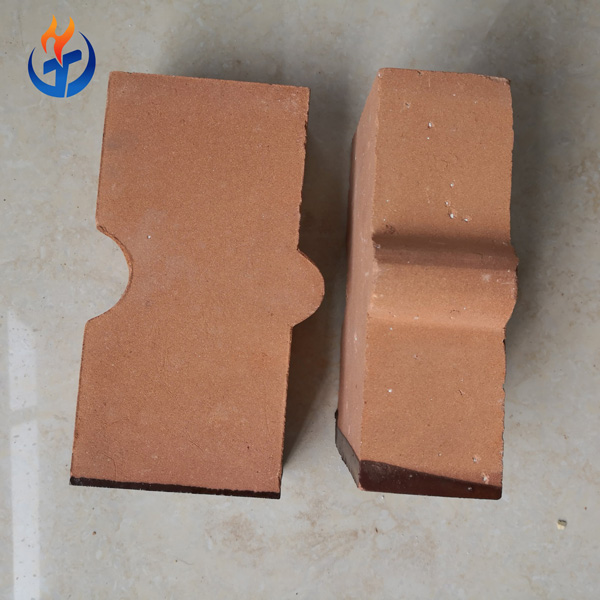
Custom-Shaped Acid-Resistant Bricks
- Features: These bricks include wedge-shaped, arc-shaped, and other custom designs, allowing for tailored dimensions and shapes to meet specific requirements.
- Applications: They are ideal for sealing special structures, such as pipe joints or equipment corners.
- Advantages: Custom-shaped bricks offer excellent sealing properties, preventing the leakage of materials in special structural applications.
Core Performance Features
- Corrosion Resistance: Acid-resistant bricks exhibit excellent corrosion resistance to most acids (such as hydrochloric acid, sulfuric acid, nitric acid, etc.), both inorganic and organic acids. They can also resist alkaline substances at any concentration under normal temperature, except for hydrofluoric acid and hot phosphoric acid.
- Low Water Absorption: These bricks have a low water absorption rate of ≤0.5% (according to porcelain tile standards), which prevents the penetration of acidic liquids that could lead to corrosion. Their structure is dense and stable, ensuring durability even in wet environments.
- High Mechanical Strength: Acid-resistant bricks have a compressive strength of ≥80 MPa and a Mohs hardness of 7-8. This makes them capable of withstanding heavy equipment pressure and high-flow friction, ideal for industrial environments with high mechanical stress.
- Thermal Stability: With a thermal expansion coefficient of (5.3-6.4)×10⁻⁶/K, acid-resistant bricks can be used in high-temperature acidic environments for extended periods. They also exhibit excellent resistance to thermal shock, making them suitable for environments with fluctuating temperatures.
- Environmental Friendliness: The production of acid-resistant bricks uses environmentally friendly materials. They are non-toxic, non-harmful, and meet the A-class standards for radioactive nuclides. Additionally, they are 100% recyclable, aligning with modern environmental and sustainability standards.
Application Areas
- Chemical Industry: In the chemical industry, acid-resistant bricks are commonly used in acid and alkali storage tanks, reactors, and water treatment tanks. These bricks ensure the long-term stability of facilities operating in corrosive environments.
- Metallurgical Industry: In the metallurgical industry, acid-resistant bricks are used in high furnaces, flue gas ducts, and other high-temperature, high-pressure equipment for protection. Their heat resistance and corrosion resistance make them ideal for metallurgy applications.
- Power Industry: In the power industry, acid-resistant bricks are widely used in flue gas desulfurization, wet dust removal systems, and pipeline protection. Their ability to withstand acidic and high-temperature conditions makes them suitable for power plant equipment.
- Pharmaceutical Industry: In pharmaceutical plants, acid-resistant bricks are used in workshop floors and walls, meeting both cleanliness and corrosion resistance requirements. Their easy-to-clean surface is essential for maintaining the sterile conditions required in pharmaceutical production.
- Public Facilities
- In public facilities such as restrooms and kitchens, acid-resistant bricks are used for floors. These areas require materials that offer both corrosion resistance and slip resistance, and acid-resistant bricks meet both needs effectively.
Conclusion
Acid-resistant bricks, with their strong corrosion resistance, high temperature resistance, and mechanical strength, have become indispensable materials in many industries. By selecting the appropriate type of acid-resistant brick from Xintai Refractory based on surface treatment and functional characteristics, industries can ensure the longevity and stability of their equipment and facilities. Properly choosing and using these bricks can significantly extend the service life of industrial infrastructure, ensuring smooth operations and reducing maintenance costs.