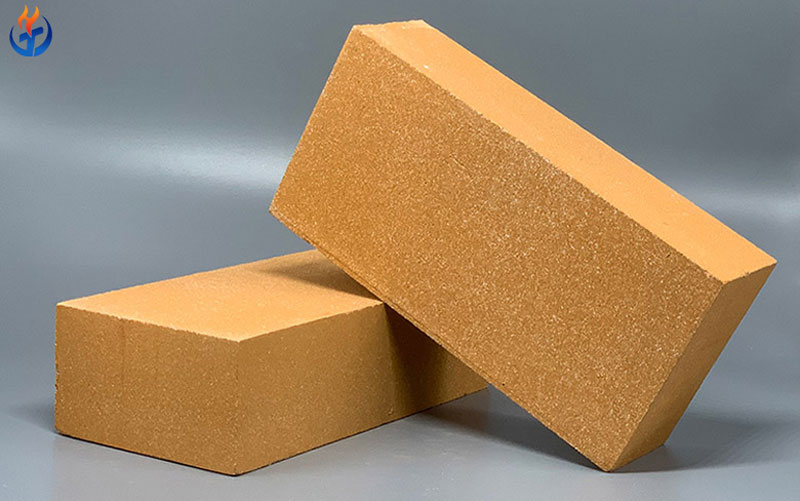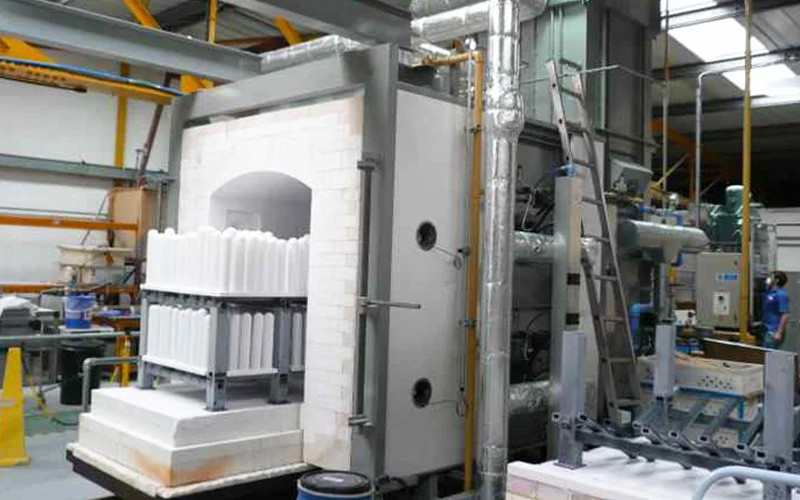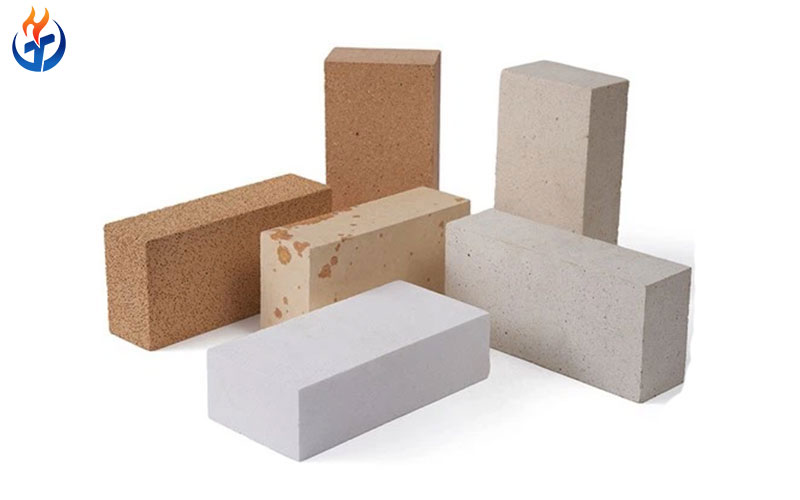
Refractory materials are essential in industrial applications where high temperatures are involved, particularly in furnaces, kilns, and reactors. Among the most widely used types of refractory materials are ramming masses and castables. While both are used for similar high-temperature applications, they differ in terms of composition, application methods, and overall performance. This article will delve into these differences, helping industries choose the right material for their specific needs.
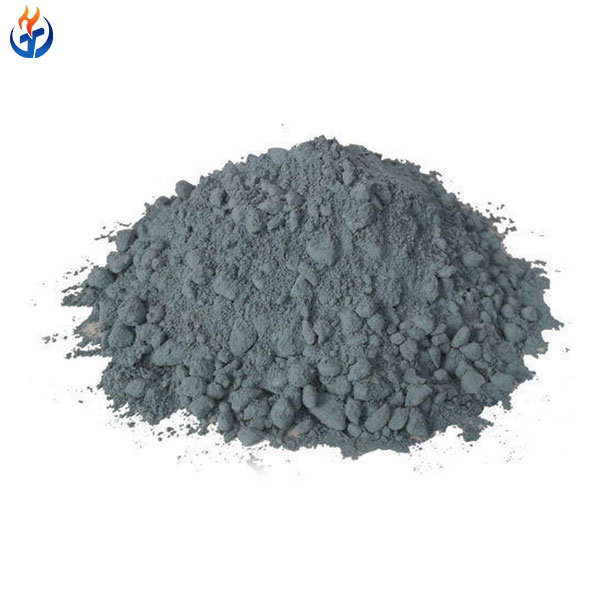
What is Refractory Ramming Mass?
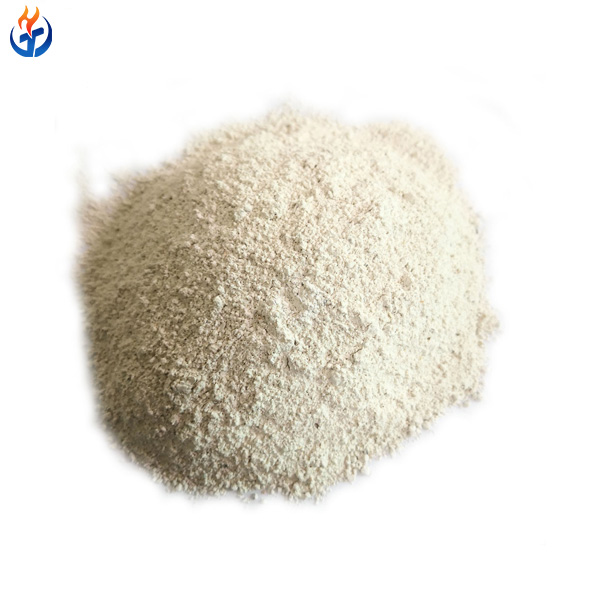
Refractory ramming mass is a type of dry, unshaped refractory material that is applied using the ramming method. This involves compacting the material into place through mechanical force. Ramming masses are often used in the lining of furnaces, kilns, and reactors, where they serve to protect structural components from high temperatures.
Composition:
Ramming masses typically consist of refractory aggregates (like silica, alumina, or magnesia), bonded with a binder. These binders could be cement or clay, depending on the application.
Properties:
- High thermal shock resistance: Due to the compacted nature of the material, ramming masses exhibit high resistance to thermal shock.
- Good insulation: Ramming masses are known for their excellent insulating properties, reducing heat loss and improving energy efficiency.
- Customizable for specific applications: Different types of ramming masses can be designed for specific uses depending on the temperature and chemical environment.
Application Methods:
Ramming masses require mechanical tools to compact the material into the desired shape. This is usually done in-situ, making it suitable for applications in large furnaces and kilns, where traditional brickwork might be impractical.
What is Refractory Castable?
Refractory castables, also known as “refractory concretes,” are pre-mixed, wet materials that are poured or cast into molds to form shapes. Castables are used when a high-performance refractory lining is required, offering flexibility in the formation of complex shapes.
Composition:
Castables consist of a blend of high-quality aggregates (e.g., alumina, silica, or magnesia), combined with a binder (like calcium aluminate cement or phosphate binders). They can be formulated to withstand extreme heat, impact, and abrasion.
Properties:
- Flexibility in application: Unlike ramming masses, castables are moldable and can be used to form intricate shapes, making them ideal for custom applications.
- High mechanical strength: Refractory castables often offer superior mechanical strength, making them ideal for applications subject to high physical stresses.
- Thermal stability: Castables can endure extremely high temperatures without degrading or losing strength.
- Versatile installation: Castables can be poured, pumped, or shot into place, allowing for more flexibility during installation compared to ramming masses.
Application Methods:
The material is mixed with water and poured into molds or forms. Castables can be used for both new installations and repairs in furnaces, kilns, and incinerators.

Key Differences Between Refractory Ramming Mass and Refractory Castables
| Feature | Refractory Ramming Mass | Refractory Castables |
|---|---|---|
| Application Method | Compacted by mechanical force or ramming | Poured, cast, or shot into place |
| Shape Formation | Typically used in existing mold forms or applied directly | Can be molded into complex shapes or poured into molds |
| Flexibility | Less flexible in shaping; requires a compacted surface | Highly flexible; can form intricate, customized shapes |
| Installation Time | Requires mechanical equipment for ramming | Faster installation; can be cast into shapes quickly |
| Strength | High thermal shock resistance, but lower mechanical strength | High mechanical strength and thermal stability |
| Durability | Excellent in thermal shock resistance and insulating properties | Superior resistance to wear, erosion, and high temperatures |
| Cost | Generally less expensive due to simpler composition | More expensive due to complex binder systems and preparation |
| Common Applications | Furnace linings, rotary kilns, and reactors | High-performance furnace linings, customized shapes, and complex structures |
| Maintenance | Often requires periodic maintenance and reapplication | Easier to repair or replace by casting new sections |
Advantages and Disadvantages
Advantages of Refractory Ramming Mass:
- Cost-Effective: Ramming masses are often more affordable than castables, particularly for large-volume applications.
- Durability: Their ability to withstand thermal shock makes them ideal for applications where sudden temperature changes are common.
- Low Maintenance: Once applied, ramming masses often require less maintenance, as they are resistant to cracking and wear.
Disadvantages of Refractory Ramming Mass:
- Limited Molding: Ramming masses are difficult to mold into complex shapes, making them less versatile for intricate structures.
- Labor-Intensive Application: The process of mechanically ramming the material into place requires specialized equipment and skilled labor.
- Less Mechanical Strength: While thermal shock resistance is high, ramming masses are not as strong under mechanical stress.
Advantages of Refractory Castables:
- Flexibility: Castables can be molded into nearly any shape, allowing for more customized applications.
- High Mechanical Strength: Ideal for situations where the refractory lining will be exposed to physical stresses.
- Easy to Install: Castables are easier to apply, particularly for intricate or hard-to-reach areas, since they can be poured, pumped, or shot into place.
Disadvantages of Refractory Castables:
- Higher Cost: Castables are generally more expensive due to their more complex composition and application methods.
- Installation Time: While easier to install in some cases, the curing process can take longer compared to ramming masses.
- Complex Repairs: Repairing damaged sections can be more challenging as the material may require re-casting or specialized repair methods.
When to Choose Refractory Ramming Mass and When to Choose Refractory Castables?
- Choose Refractory Ramming Mass when:
- The application requires high thermal shock resistance.
- The material needs to be applied in a simpler, more straightforward manner.
- The budget is limited, and complex shapes are not required.
- The installation area is large, and labor-intensive processes are not an issue.
- Choose Refractory Castables when:
- Custom shapes are needed for the application.
- The material will face high mechanical stresses or abrasions.
- The area to be lined is difficult to access and requires precise application.
- There is a need for a higher strength and durability solution.
Conclusion
Both refractory ramming masses and refractory castables have their distinct advantages depending on the specific application. Ramming masses offer a cost-effective solution for large, straightforward applications where high thermal shock resistance is critical. On the other hand, castables provide flexibility and strength for complex, high-performance applications.
Understanding these key differences will help you choose the right material for your furnace, kiln, or other high-temperature equipment. Each material has its ideal application scenario, and with the right choice, you’ll achieve long-lasting, efficient performance in your industrial setup.
Looking for refractory ramming mass, refractory castables and other refractory materials? Welcome to Get more from Xintai refractory!