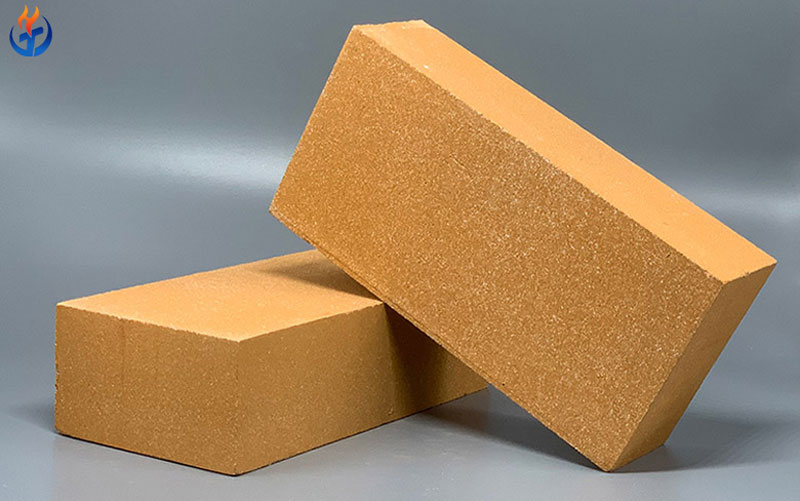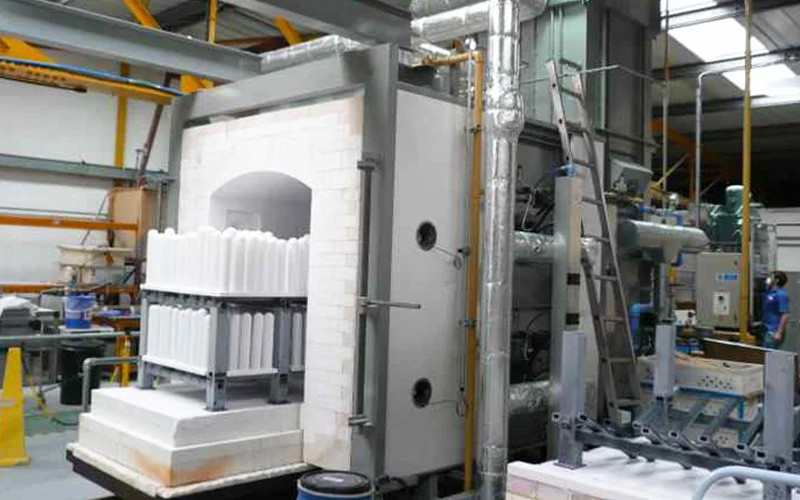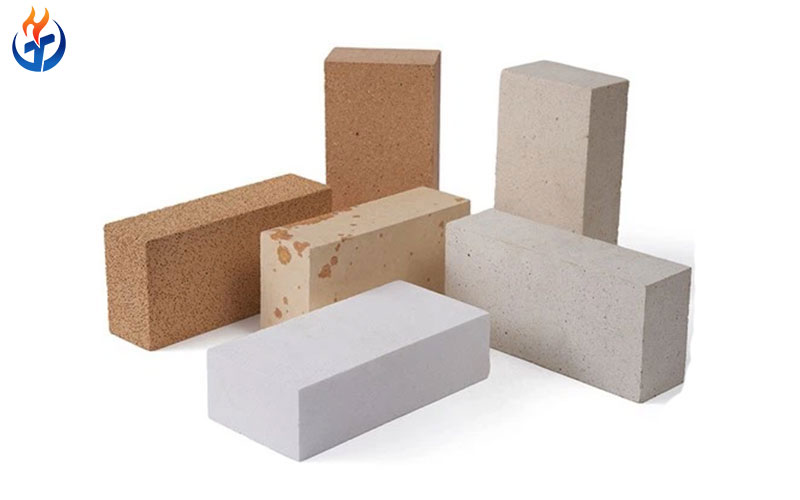
Refractory ramming mass is a vital material used in high-temperature applications to line furnaces, kilns, and other industrial equipment. Its primary function is to resist the extreme temperatures, chemical corrosion, and mechanical wear that occur during the operation of high-temperature processing units. The different types of refractory ramming mass are formulated with a variety of materials, each providing unique properties that make them suitable for particular applications.
Next, Xintai Refractory will explain the different types of refractory ramming mass, including alumina-based, silica-based, magnesia-based, and acidic ramming mass. We will compare their properties, applications, and key differences, providing a comprehensive guide to choosing the right ramming mass for specific needs.
What is Refractory Ramming Mass?
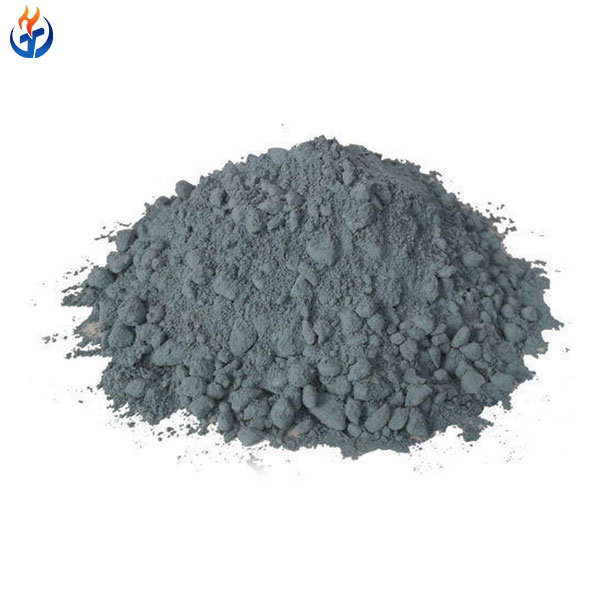
Refractory ramming mass, often referred to as refractory ramming mix or dry mix, is a form of granulated refractory material that is compacted and used to form linings in furnaces and kilns. The primary purpose of refractory ramming mass is to protect the internal surfaces of high-temperature equipment from the harsh operating conditions. It provides excellent heat insulation, thermal stability, and resistance to chemical corrosion, which is essential for industries like steel manufacturing, glass production, and cement processing.
The composition of refractory ramming mass is typically a blend of heat-resistant aggregates and binding agents. These materials are mixed to provide the necessary mechanical strength and thermal performance required in various high-temperature applications. The main types of refractory ramming mass are:
- Alumina-based Ramming Mass
- Silica-based Ramming Mass
- Magnesia-based Ramming Mass
- Acidic Ramming Mass
- Other Specialized Types (e.g., Chrome-based, Zirconia-based)
Each type has its distinct properties and is tailored for specific industrial uses.
1. Alumina-based Ramming Mass
Alumina-based ramming mass is one of the most commonly used types of refractory material. It is made from alumina (Al₂O₃), a compound known for its high melting point and excellent heat resistance. This type of ramming mass offers outstanding thermal stability, strength, and resistance to thermal shock, making it suitable for a wide range of high-temperature applications.
Properties of Alumina-based Ramming Mass:
- High-Temperature Resistance: Can withstand temperatures up to 1,800°C (3,272°F).
- Thermal Shock Resistance: Ideal for environments with rapid temperature changes.
- Corrosion Resistance: Provides excellent protection against acidic and basic slags.
- Mechanical Strength: Offers strong wear resistance, making it suitable for high-impact environments.
Applications of Alumina-based Ramming Mass:
- Used in the lining of induction furnaces, aluminum melting furnaces, and steel furnaces.
- Applied in glass furnaces, rotary kilns, and ceramic kilns.

2. Silica-based Ramming Mass
Silica-based ramming mass is composed primarily of silicon dioxide (SiO₂). This material offers excellent resistance to high temperatures and is particularly well-suited for acidic environments. Silica-based ramming mass has excellent thermal expansion properties and performs well under high heat conditions.
Properties of Silica-based Ramming Mass:
- High Silica Content: Contains over 90% SiO₂ for superior thermal stability.
- Low Thermal Expansion: Helps maintain structural integrity under temperature fluctuations.
- Acidic Resistance: Offers high resistance to acidic slags and gases.
- Good Thermal Shock Resistance: Can resist rapid heating and cooling cycles.
Applications of Silica-based Ramming Mass:
- Ideal for use in glass production furnaces, cement kilns, and ferrous metal processing.
- Commonly used in blast furnaces and steel-making processes where acidic conditions prevail.
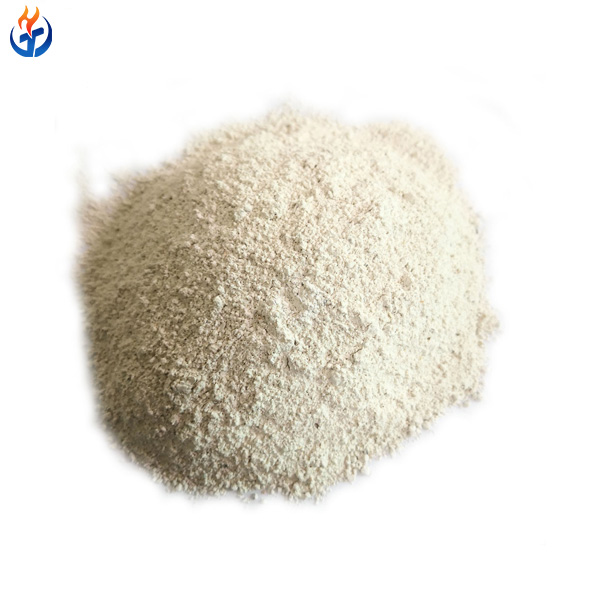
3. Magnesia-based Ramming Mass
Magnesia-based ramming mass is composed of magnesium oxide (MgO), which offers outstanding resistance to high temperatures and basic slags. This type of ramming mass is typically used in industrial processes that require resistance to highly alkaline conditions.
Properties of Magnesia-based Ramming Mass:
- High-Temperature Resistance: Withstands temperatures up to 2,000°C (3,632°F).
- Basic Slag Resistance: Particularly effective in environments with basic slag and molten metals.
- Mechanical Strength: Exhibits high wear resistance and durability.
- Thermal Stability: Offers excellent performance in environments with fluctuating temperatures.
Applications of Magnesia-based Ramming Mass:
- Widely used in steel-making furnaces, rotary kilns, and cement kilns.
- Common in electric arc furnaces and magnesium alloy furnaces, where basic conditions are encountered.
4. Acidic Ramming Mass
Acidic ramming mass is primarily designed to resist acidic slags and gases. It is typically composed of a mixture of silica and other materials that are highly resistant to acid corrosion. This material is ideal for applications where protection from acidic conditions is essential.
Properties of Acidic Ramming Mass:
- Acid Resistance: Offers excellent resistance to acidic slags and gases.
- Thermal Shock Resistance: Performs well under temperature fluctuations.
- Good High-Temperature Performance: Suitable for high-temperature environments, typically up to 1,600°C (2,912°F).
- Durability: Provides long-lasting protection in acidic environments.
Applications of Acidic Ramming Mass:
- Primarily used in glass furnaces, cement kilns, and chemical reactors.
- Used in industries that deal with corrosive, acidic substances, such as non-ferrous metal processing.
5. Other Specialized Types of Ramming Mass
In addition to the primary types of refractory ramming mass, there are also specialized forms of ramming mass that offer unique benefits for particular applications:
- Chrome-based Ramming Mass: Contains chromium oxide (Cr₂O₃), offering superior resistance to high-temperature erosion and corrosion from molten metals. It is commonly used in ferrochrome production.
- Zirconia-based Ramming Mass: Made with zirconium dioxide (ZrO₂), this ramming mass is ideal for environments where extremely high temperatures and rapid cooling rates are encountered, such as in aerospace and nuclear industries.
Comparative Table of Refractory Ramming Mass Types
| Type of Ramming Mass | Primary Composition | Temperature Resistance | Corrosion Resistance | Key Applications |
|---|---|---|---|---|
| Alumina-based | Alumina (Al₂O₃) | Up to 1,800°C (3,272°F) | Excellent against acidic and basic slags | Induction furnaces, aluminum and steel furnaces, glass furnaces |
| Silica-based | Silica (SiO₂) | Up to 1,600°C (2,912°F) | Excellent against acidic slags | Glass production, cement kilns, steel furnaces |
| Magnesia-based | Magnesium Oxide (MgO) | Up to 2,000°C (3,632°F) | Highly resistant to basic slags | Steel-making, rotary kilns, cement kilns |
| Acidic-based | Silica with other acids | Up to 1,600°C (2,912°F) | Excellent against acidic gases | Glass furnaces, chemical reactors, cement kilns |
| Chrome-based | Chromium Oxide (Cr₂O₃) | High-temperature resistant | Excellent against molten metals | Ferrochrome production, high-temperature furnaces |
| Zirconia-based | Zirconium Dioxide (ZrO₂) | Extremely high temperatures | Exceptional thermal shock resistance | Aerospace, nuclear industries |
Key Differences Between Ramming Mass Types
- Temperature Resistance: Magnesia-based ramming mass can withstand the highest temperatures, making it suitable for the most extreme applications. Alumina-based ramming mass follows closely behind, with silica-based and acidic ramming masses being suitable for lower temperature ranges.
- Corrosion Resistance: Silica-based ramming mass excels in acidic environments, while magnesia-based ramming mass is highly resistant to basic conditions.
- Mechanical Strength: Alumina-based and magnesia-based ramming masses offer superior mechanical strength, making them ideal for high-wear environments.
Conclusion
Choosing the right refractory ramming mass is critical to the performance and longevity of industrial furnaces, kilns, and other high-temperature equipment. By understanding the differences between alumina-based, silica-based, magnesia-based, and acidic ramming masses, manufacturers can select the appropriate material for their specific applications.
Each type of ramming mass offers unique advantages based on the required temperature resistance, corrosion resistance, and mechanical strength. Whether you are involved in metal production, glass manufacturing, or cement processing, selecting the right ramming mass ensures the efficient and safe operation of your high-temperature equipment.
Looking for refractory ramming mass and other refractory materials? Welcome to Get more from Xintai refractory!