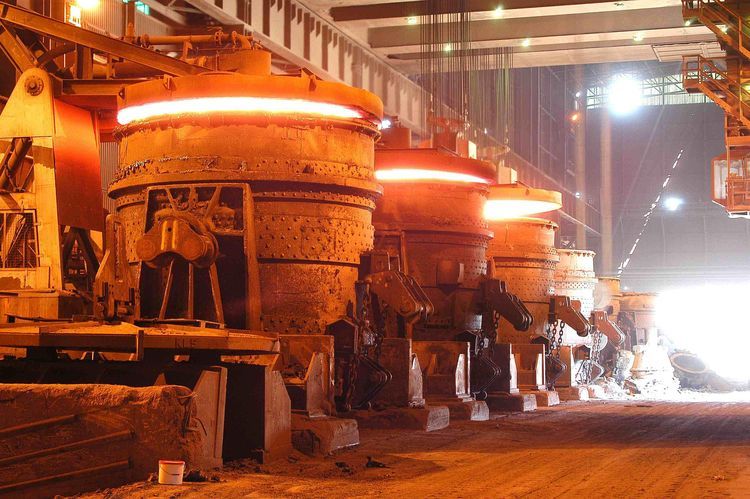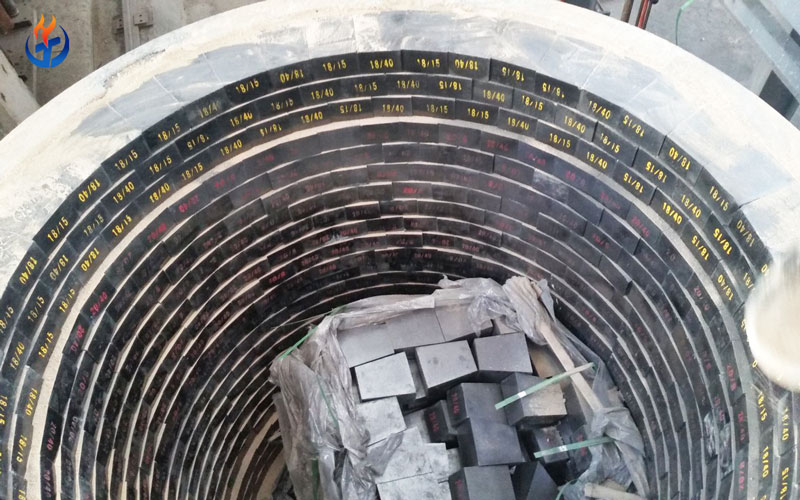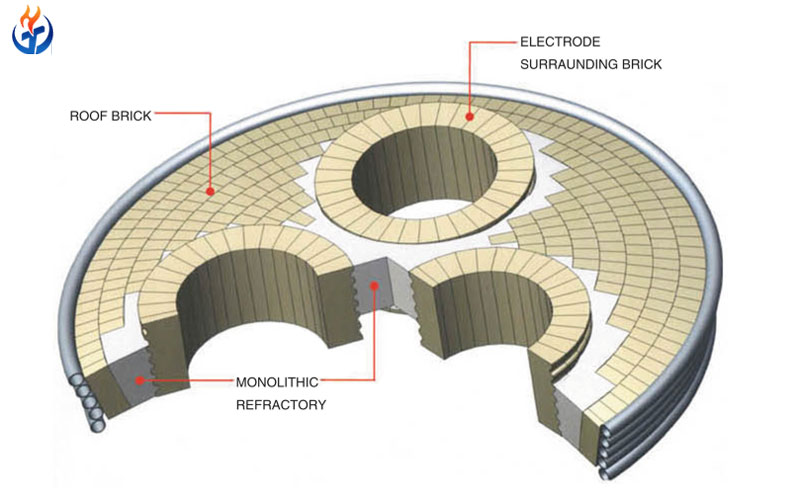
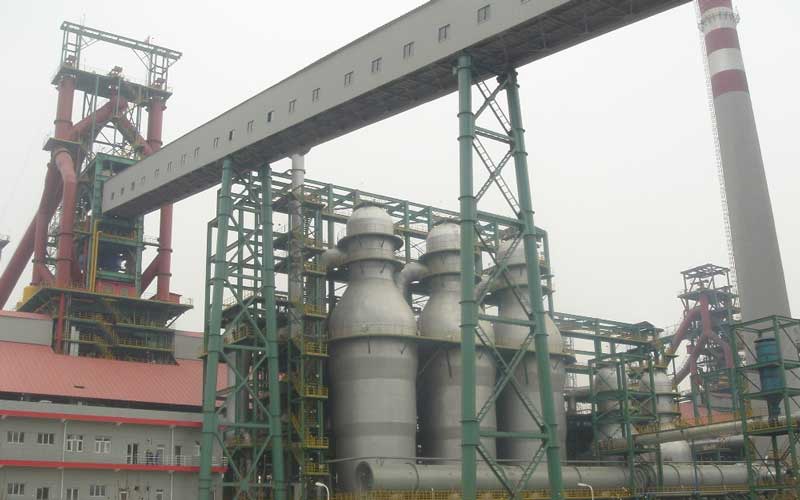
Maintaining a hot blast stove (HBS) roof is one of the most critical tasks in high-temperature industrial operations such as ironmaking and steelmaking. The roof of a hot blast stove operates under extreme conditions, including high temperatures, thermal shock, and airflow erosion. Selecting the right refractory bricks for hot blast stove roof maintenance is therefore vital to ensure operational safety, minimize downtime, and extend the lifespan of the stove. Then let’s know more about the selection criteria, primary materials, and specialized solutions for hot blast stove roof repairs, emphasizing practical applications and performance requirements.
Service Environment of Hot Blast Stove Roofs
The first and most fundamental step in selecting refractory bricks for HBS roof maintenance is understanding the service environment. The stove roof is exposed to:
High temperatures: Core operating temperatures range from 1200°C to 1450°C in conventional hot blast stoves, while certain high-temperature designs may reach 1500°C or above.
Thermal shock: Frequent start-up, shutdown, and rapid airflow changes subject the roof bricks to repeated heating and cooling cycles.
Airflow erosion: Hot gases circulate across the stove roof, causing surface abrasion over time.
Chemical attack: In some cases, alkali metals present in blast furnace gas can erode refractory materials.
Structural load: The roof often functions as a load-bearing component, requiring bricks with high mechanical strength.
Any refractory selection must consider these combined stress factors. Using a suboptimal material can result in premature failure, leading to safety risks and costly downtime.
Core Selection: High-Alumina Bricks
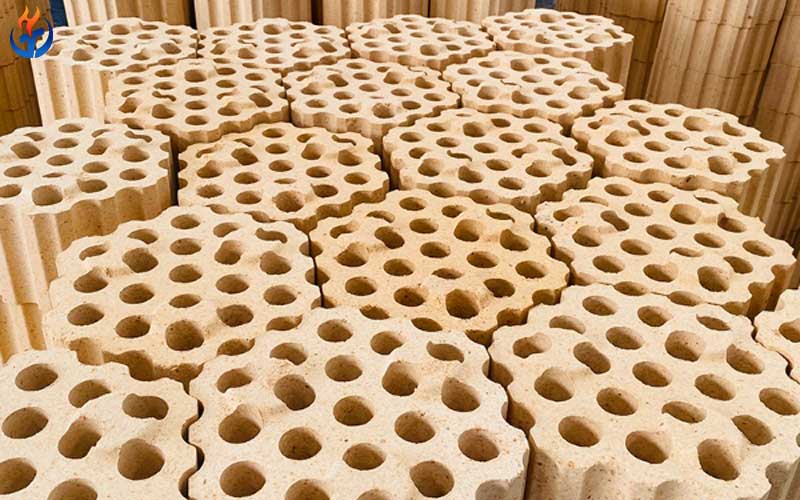
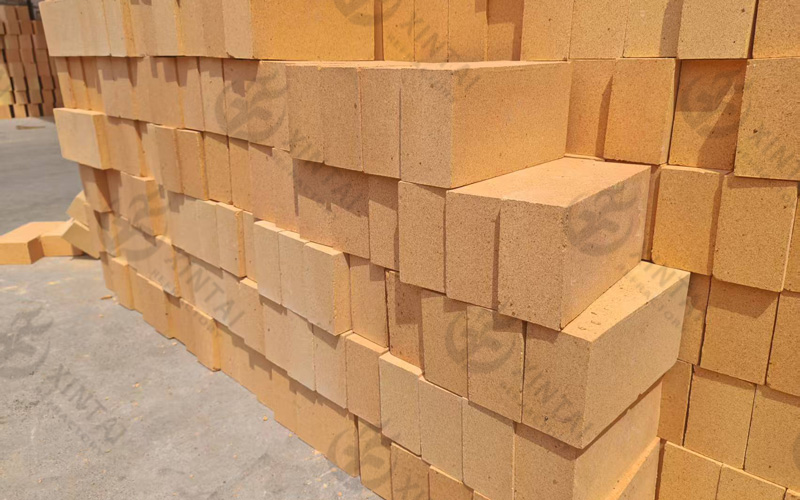
High-alumina bricks are the preferred choice for hot blast stove roof maintenance due to their excellent balance of thermal, mechanical, and chemical properties. These bricks are primarily classified based on their alumina (Al₂O₃) content, which directly influences their refractory performance.
1. First-Grade High-Alumina Bricks (Al₂O₃ ≥ 75%)
First-grade high-alumina bricks are ideal for the core high-temperature zones and arch sections of the stove roof. Their key characteristics include:
High refractoriness: Refractoriness ≥1790°C ensures they withstand prolonged exposure to the stove’s maximum operating temperatures.
Thermal shock resistance: Water-cooling tests typically show ≥15 cycles without significant cracking, making them suitable for areas experiencing frequent start-up and shutdown cycles.
Erosion and spalling resistance: They maintain integrity against light airflow scouring and reduce maintenance frequency.
Structural strength: High mechanical strength supports the roof’s load-bearing function.
In practice, these bricks are the mainstay material for most HBS roof repairs, providing a reliable combination of heat resistance and durability.
2. Second-Grade High-Alumina Bricks (Al₂O₃ ≥ 65%)
Second-grade high-alumina bricks are generally used for peripheral zones or secondary high-temperature areas where thermal and mechanical stresses are lower. Benefits include:
Cost efficiency: Lower alumina content reduces material costs while still offering sufficient durability.
Adequate performance: These bricks meet basic refractory and structural requirements for non-core zones.
Versatility: They are well-suited for patch repairs and areas of the roof that do not encounter direct exposure to peak temperatures.
By combining first-grade and second-grade high-alumina bricks, maintenance teams can optimize both performance and cost, ensuring the most critical zones receive the highest protection.
Alternative Choice: Silica Bricks (Silica Refractories)
Silica bricks can be used as a supplementary option in HBS roof repairs, particularly for extremely high-temperature stoves where the roof may reach or exceed 1500°C.
Advantages of Silica Bricks
High refractoriness: Typical refractoriness ≥1710°C and higher softening temperatures under load compared to high-alumina bricks.
Excellent creep resistance: Suitable for prolonged high-temperature exposure.
Compatibility with stable thermal zones: Silica bricks perform well in areas with minimal thermal shock and low rapid-cooling risks.
Limitations
Poor thermal shock resistance: Water-cooling tests usually show only 3–5 cycles, making them unsuitable for zones subject to frequent heating and cooling.
Limited use: Rarely used alone; silica bricks are often combined with high-alumina bricks in core super high-temperature points to enhance performance without risking failure.
Handling requirements: Installation must consider careful preheating and controlled temperature variations to prevent cracking.
Thus, silica bricks are considered specialty materials for ultra-high-temperature stoves but are not the first choice for standard HBS roof repairs.
Extreme Condition Solution: Corundum and Mullite Bricks
For critical or extreme operating conditions, such as localized burning above 1500°C, severe airflow erosion, or slight alkali-metal corrosion, high-performance bricks are necessary. Corundum bricks (fused alumina) and high-alumina mullite bricks can meet these demands.
Corundum Bricks
Ultra-high refractoriness: Refractoriness ≥1800°C.
Excellent erosion and spalling resistance: Suitable for localized high-wear areas.
High cost: Generally used only for critical repair points due to expense.
Mullite Bricks
High thermal stability: Resistant to chemical attack and thermal cycling.
Targeted application: Often applied in small sections of the roof where traditional bricks fail prematurely.
These high-end materials are not intended for full-roof installation. Instead, they are reserved for the most vulnerable points, providing maximum protection while controlling overall maintenance costs.
Key Considerations for HBS Roof Brick Selection
In addition to material type, other technical factors must be considered to ensure proper repair performance.
1. Dimensional Accuracy
HBS roofs often feature arched or spherical structures. Refractory bricks must be:
Custom-shaped: Wedge-shaped or curved bricks fit precisely into the roof geometry.
Tight joint gaps: Brick joints ≤2 mm prevent air leakage and secondary burning.
Non-standard shapes: Irregular sections require specialized fabrication to maintain structural integrity.
2. Compatible Refractory Mortar
Brick selection must be complemented by matching refractory mortar:
High-alumina mortar: The Al₂O₃ content should match the brick to ensure uniform thermal expansion.
Avoid ordinary clay mortar: Ordinary clay can fail before the brick, creating weak points that compromise roof performance.
Application precision: Proper mortar application ensures uniform load distribution and minimizes stress concentrations.
3. Thermal Shock Performance
Thermal shock resistance is a critical criterion:
Water-cooling tests: Minimum of 10 cycles is required for high-alumina bricks to ensure survival during start-up and shutdown.
Design consideration: Bricks should be selected not just for peak temperature but also for their ability to tolerate rapid temperature changes.
Longevity: High thermal shock resistance significantly extends service life and reduces downtime.
4. Erosion and Wear Resistance
The roof is continuously exposed to hot blast airflow, which can cause:
Surface abrasion: Eroding material over time.
Spalling and cracking: Particularly in weak zones.
Strategic placement: First-grade high-alumina or corundum bricks in high-velocity areas protect more vulnerable sections.
Practical Selection Strategy for HBS Roof Maintenance
In practice, a layered approach is often used:
Core high-temperature zone: First-grade high-alumina bricks or localized corundum bricks.
Peripheral or secondary zones: Second-grade high-alumina bricks.
Extreme localized points: Corundum or mullite bricks for ultra-high-temperature or chemical exposure.
Occasional silica bricks: Integrated into stable, ultra-high-temperature zones where thermal shock is minimal.
Custom mortar: High-alumina refractory mortar matching brick type ensures structural integrity and thermal compatibility.
Precise brick geometry: Wedge or curved bricks minimize gaps and prevent leakages.
This approach balances performance, cost, and long-term durability.
Conclusion
Selecting the right refractory bricks for hot blast stove roof maintenance is a complex but critical task. High-alumina bricks remain the primary choice due to their exceptional thermal shock resistance, structural strength, and cost efficiency. Silica bricks serve as a specialized option for ultra-high-temperature stoves, while corundum and mullite bricks provide targeted protection in extreme conditions.
Successful maintenance requires not only careful material selection but also attention to brick shape, mortar compatibility, thermal shock resistance, and airflow erosion protection. By understanding the service environment and applying a strategic material combination, maintenance teams can significantly improve the reliability and service life of hot blast stoves, ensuring safe, efficient, and cost-effective operation.
A well-planned refractory selection strategy ultimately minimizes unplanned shutdowns, reduces maintenance costs, and enhances overall production efficiency in high-temperature industrial operations.