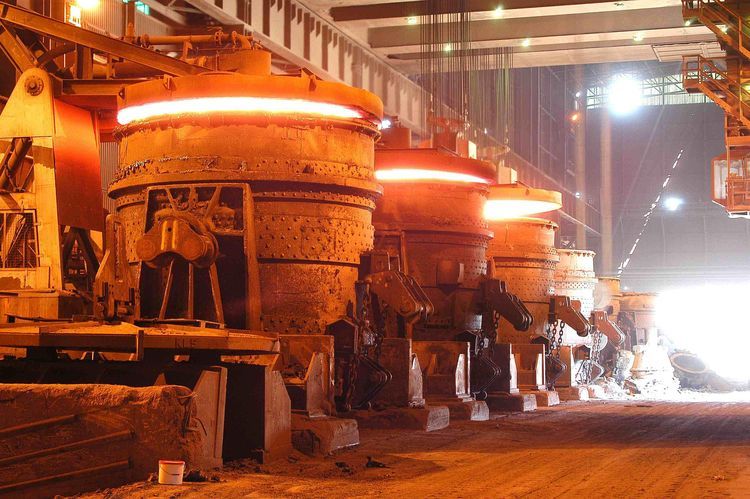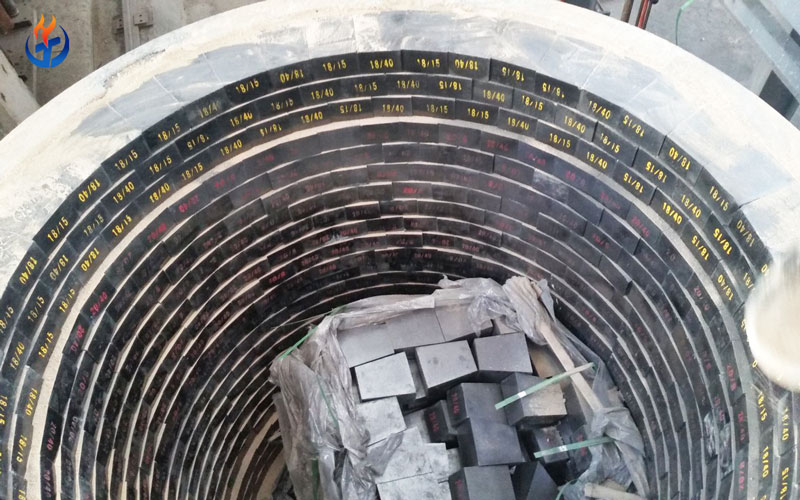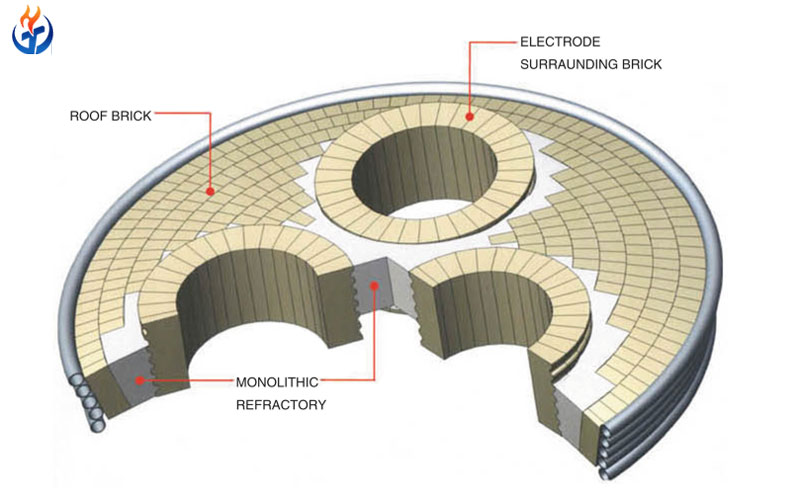
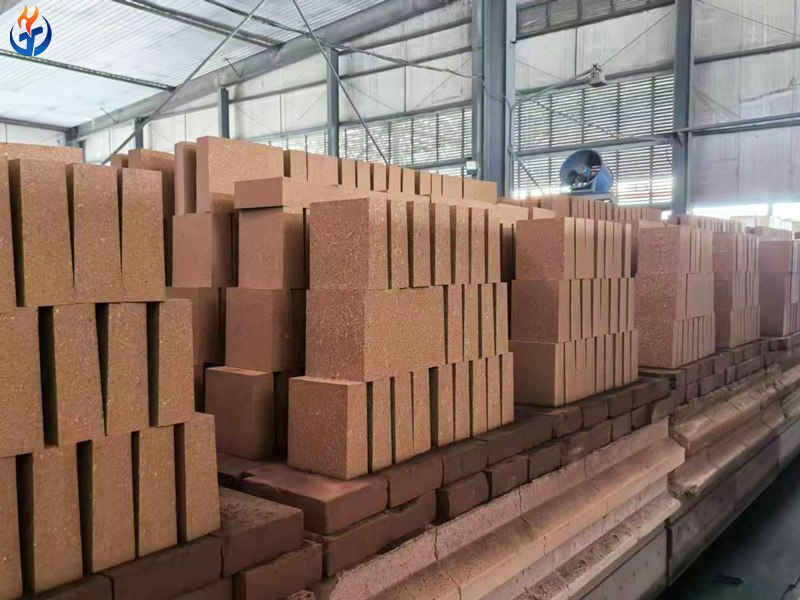
The RH (Ruthner-Hartz) furnace is a key equipment in the steelmaking process, primarily used for refining molten steel. The efficiency and longevity of an RH furnace rely heavily on the quality and performance of its refractory materials, which are designed to withstand the extreme temperatures and chemical conditions inside the furnace. In this article, we will explore the various types of refractory materials used in RH furnaces, including electric fusion magnesia-chrome bricks, semi-electric fusion magnesia-chrome bricks, direct-bonded magnesia-chrome bricks, RH furnace spray coatings, high alumina bricks, and magnesia-alumina spinel bricks.
1. Electric Fusion Magnesia-Chrome Bricks
Electric fusion magnesia-chrome bricks are one of the most widely used refractory materials in RH furnaces. These bricks are made by fusing high-purity magnesia (MgO) and chrome oxide (Cr2O3) at high temperatures in an electric arc furnace. The fusion process results in a homogeneous structure with excellent high-temperature stability and resistance to chemical attack.
Advantages:
High Temperature Resistance: These bricks can withstand extreme temperatures, making them ideal for the high heat environment of an RH furnace.
Thermal Shock Resistance: They exhibit superior thermal shock resistance, which is essential for the cyclic heating and cooling in steel refining processes.
Corrosion Resistance: The combination of magnesia and chrome provides excellent resistance to slag and metal corrosion, prolonging the life of the furnace lining.
Applications:
Electric fusion magnesia-chrome bricks are used primarily in the lining of the RH furnace, particularly in the areas that are exposed to direct contact with molten steel and slag.

2. Semi-Electric Fusion Magnesia-Chrome Bricks
Semi-electric fusion magnesia-chrome bricks are a variant of the electric fusion type but with a lower fusion temperature, which makes them easier to manufacture and more cost-effective. These bricks are produced by partially fusing magnesia and chrome at lower temperatures compared to fully electric fusion bricks, resulting in a material with slightly less durability but still sufficient for many applications in RH furnaces.
Advantages:
Cost-Effective: These bricks offer a balance between performance and cost, making them a popular choice for applications where slightly lower performance is acceptable.
Moderate Corrosion Resistance: While they may not be as resistant to slag as fully electric fusion bricks, they still offer decent protection against chemical attack.
Applications:
Semi-electric fusion magnesia-chrome bricks are typically used in less demanding areas of the RH furnace, such as the sidewalls or less frequently exposed zones, where performance demands are lower.
3. Direct-Bonded Magnesia-Chrome Bricks
Direct-bonded magnesia-chrome bricks are made by directly bonding magnesia and chrome at high temperatures, without the need for electric fusion or semi-fusion processes. The bonding of the two materials results in a highly durable and stable structure that offers exceptional high-temperature and corrosion resistance.
Advantages:
Excellent Strength: The direct bonding process enhances the mechanical strength of the bricks, making them ideal for high-stress areas of the RH furnace.
Superior Slag Resistance: These bricks are highly resistant to slag penetration, preventing damage to the furnace lining and ensuring longer service life.
Enhanced Structural Integrity: The absence of a fusion gap ensures that the material maintains its structural integrity even under extreme conditions.
Applications:
Direct-bonded magnesia-chrome bricks are often used in the most critical areas of the RH furnace, including the bottom and the regions exposed to direct contact with molten steel and slag.
4. RH Furnace Spray Coatings
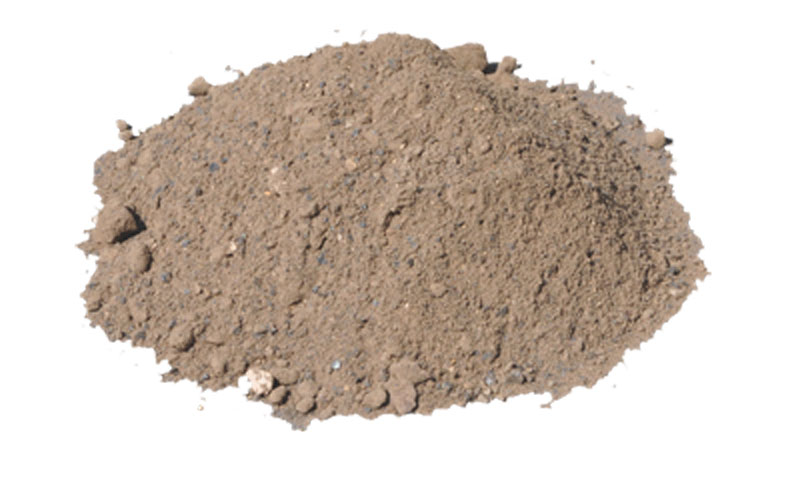
Spray coatings are used as a supplement to refractory bricks in RH furnaces, providing an additional layer of protection against wear and corrosion. These coatings are applied to the furnace lining by spraying them onto the furnace surface, where they form a thin, yet highly effective protective layer.
Advantages:
Improved Furnace Lining Protection: Spray coatings provide an additional layer of protection that helps to reduce the wear and tear on refractory bricks.
Easy to Apply: The application process is quick and does not require the removal of old materials, making it a cost-effective maintenance solution.
Flexibility: Spray coatings can be tailored to specific needs, depending on the furnace’s operating conditions.
Applications:
Spray coatings are used in RH furnaces to protect the furnace lining from slag, metal corrosion, and high-temperature erosion, extending the service life of the refractory materials.
5. High Alumina Bricks
High alumina bricks are made primarily from alumina (Al2O3), which gives them excellent high-temperature performance and resistance to acid slags. They are widely used in various applications requiring superior heat resistance and durability.
Advantages:
High Temperature Stability: High alumina bricks can withstand temperatures exceeding 1,600°C, making them suitable for high-heat applications.
Chemical Resistance: These bricks offer excellent resistance to acidic slags, making them ideal for environments with acidic conditions.
Good Mechanical Strength: High alumina bricks have excellent compressive strength, making them durable in high-stress environments.
Applications:
High alumina bricks are commonly used in RH furnaces for areas that are exposed to high temperatures but less prone to slag corrosion. They are often used in the upper sections and less aggressive zones of the furnace.
6. Magnesia-Alumina Spinel Bricks
Magnesia-alumina spinel bricks are a combination of magnesia (MgO) and alumina (Al2O3), creating a unique spinel (MgAl2O4) phase. These bricks offer a combination of the high-temperature resistance of magnesia and the slag resistance of alumina.
Advantages:
Superior Slag Resistance: The spinel phase enhances the slag resistance of these bricks, making them highly suitable for use in environments with high slag content.
High Thermal Shock Resistance: Magnesia-alumina spinel bricks have excellent thermal shock resistance, making them ideal for furnaces with fluctuating temperatures.
Enhanced Durability: The spinel structure enhances the mechanical properties of these bricks, improving their overall durability.
Applications:
Magnesia-alumina spinel bricks are often used in RH furnaces for the lining of areas exposed to high slag attack and thermal stress, such as the furnace bottom and sidewalls.
Conclusion
Refractory materials play a crucial role in the efficiency and longevity of RH furnaces used in steelmaking. Electric fusion magnesia-chrome bricks, semi-electric fusion magnesia-chrome bricks, direct-bonded magnesia-chrome bricks, RH furnace spray coatings, high alumina bricks, and magnesia-alumina spinel bricks all have unique advantages that cater to the specific demands of the furnace. By selecting the right combination of these materials, furnace operators can maximize performance, reduce maintenance costs, and extend the life of their equipment.
When choosing refractory materials for an RH furnace, it is essential to consider factors such as temperature, slag composition, and mechanical stress to ensure optimal performance and longevity of the furnace lining. Proper maintenance and the use of advanced refractory solutions can significantly enhance the productivity and cost-effectiveness of steel refining processes.