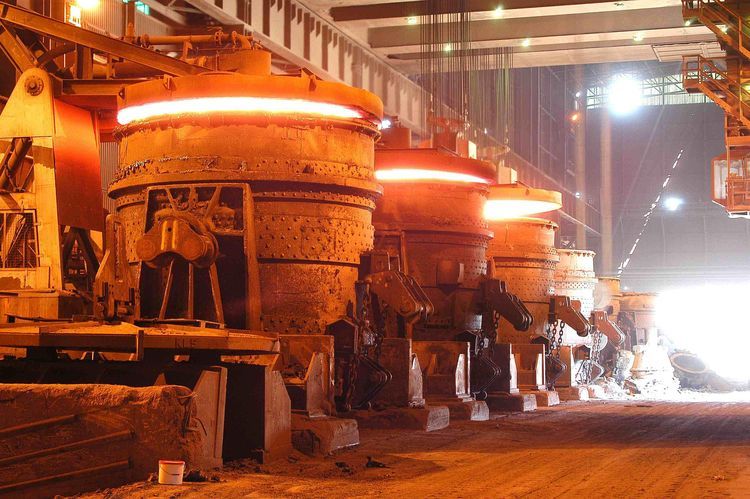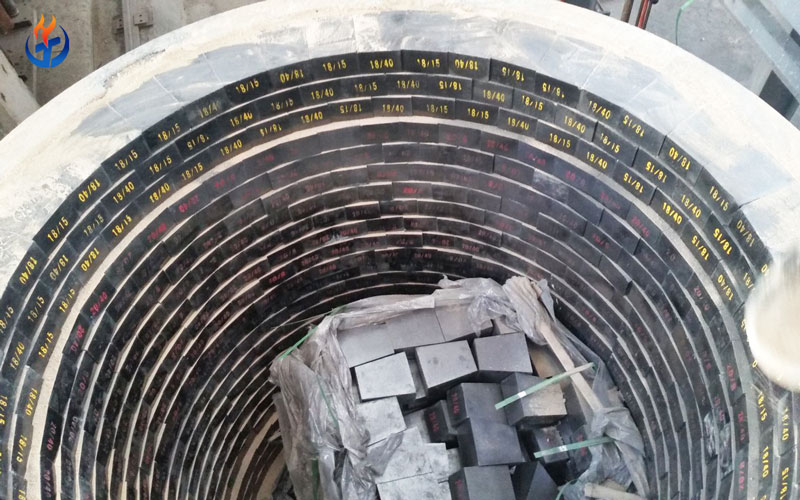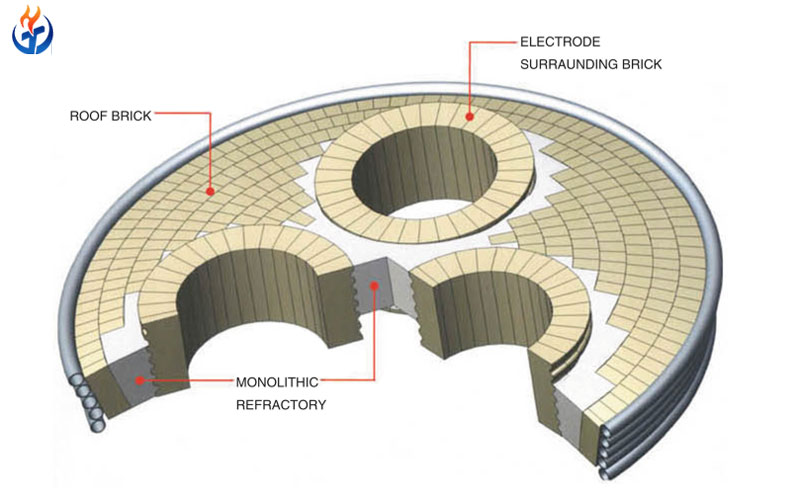
Steelmaking and casting are complex industrial processes that involve the conversion of raw materials into steel, which is then shaped into various forms. The management of steel flow during these processes plays a crucial role in determining the quality and consistency of the final product. One of the key components in controlling the flow of molten steel is the nozzle system. These nozzles are designed to direct, manage, and regulate the flow of steel, ensuring precise pouring and minimizing defects.
In this article, we will explore the various types of nozzles used in steelmaking and casting processes, detailing their functions, applications, and materials. Understanding these nozzle types is essential for improving efficiency, reducing defects, and ensuring the production of high-quality steel products.
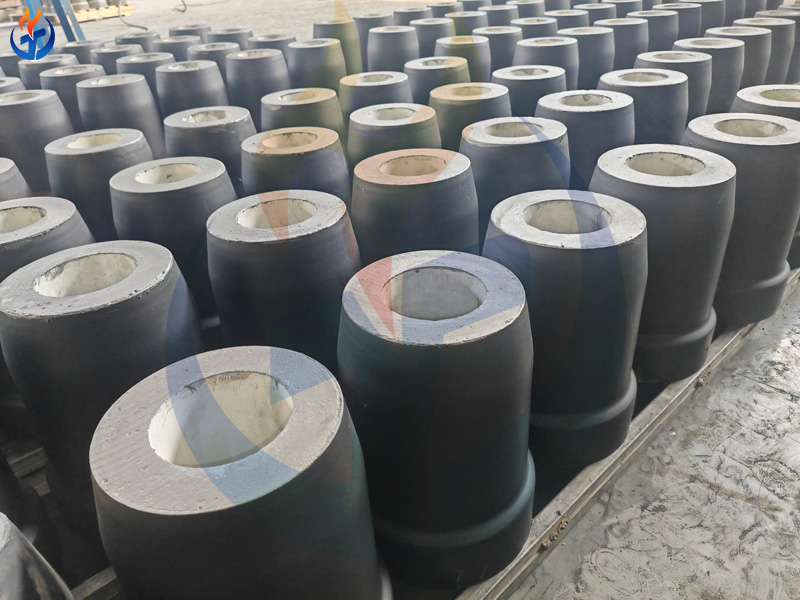
1. Ladle Shroud
Function:
Ladle shrouds are crucial in protecting molten steel from exposure to air during the transfer from the ladle to the mold. The primary function of the ladle shroud is to reduce oxidation by forming a protective barrier around the steel as it flows out. This helps minimize the formation of slag and other inclusions, ensuring that the steel maintains its desired chemical composition and purity.
Application:
Ladle shrouds are often used in steel casting operations, especially in continuous casting systems. They are typically installed on the ladle’s spout and work alongside other flow control mechanisms to ensure that the steel flows smoothly and without interruptions.
Material:
Ladle shrouds are typically made from high-temperature-resistant materials such as alumina-based ceramics and other refractory materials. These materials can withstand the extreme temperatures of molten steel and maintain their integrity during prolonged use.
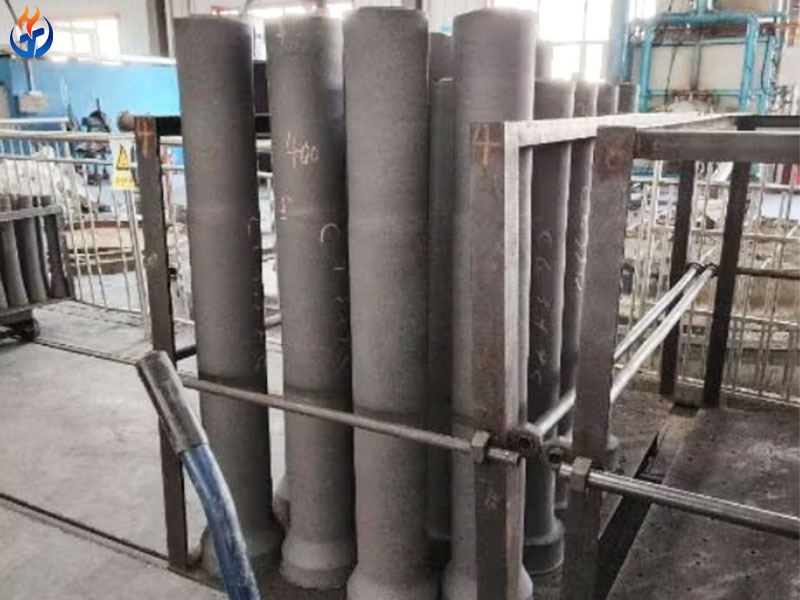
2. Submerged Entry Nozzle
Function:
The Submerged Entry Nozzle (SEN) plays a crucial role in controlling the flow of molten steel into the mold. By introducing the steel into the mold through a submerged nozzle, the SEN prevents the steel from being exposed to air, which could lead to oxidation. This design also allows for precise control over the steel’s flow rate, ensuring that the steel enters the mold uniformly and without turbulence.
Application:
SEN is commonly used in continuous casting processes, particularly for producing billets, blooms, and slabs. It is ideal for large-scale production as it improves the quality of the final product by reducing surface defects and minimizing air entrainment.
Material:
SEN nozzles are typically made of advanced ceramic materials like zirconia or alumina-based composites. These materials offer excellent resistance to wear, corrosion, and thermal shock, ensuring their durability in high-temperature environments.
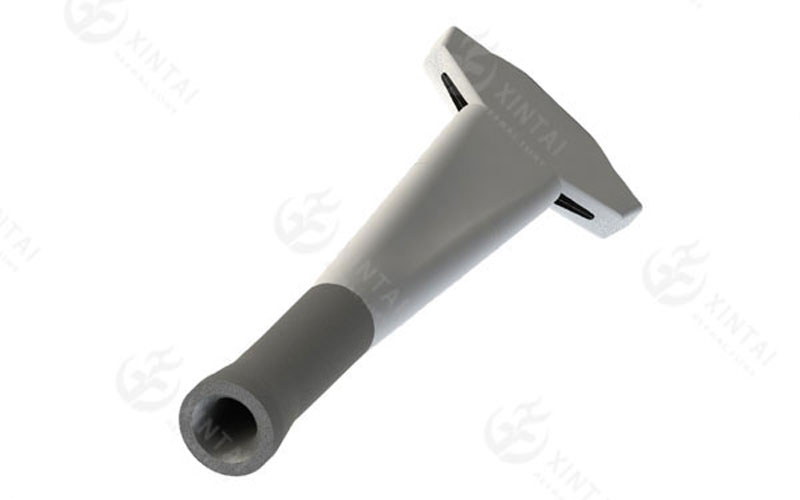
3. Quick Change SEN
Function:
Quick Change Submerged Entry Nozzles are an advanced version of the traditional SEN. As the name suggests, they are designed for easy and quick replacement, reducing downtime during the casting process. The ability to change nozzles quickly helps minimize disruptions in production, improving overall efficiency.
Application:
These nozzles are ideal for high-production environments where frequent changes are necessary. They are commonly used in continuous casting operations, particularly when the steel quality or composition requires frequent adjustments.
Material:
Quick Change SEN nozzles are made from high-performance ceramics and alloys, designed for both ease of replacement and high resistance to the harsh conditions inside the casting furnace. They combine the durability of traditional SEN with the convenience of rapid changeover.
4. Tundish Upper Nozzle / Inner Nozzle
Function:
The tundish nozzles are responsible for directing the flow of molten steel from the tundish (the intermediate vessel between the ladle and the mold) to the mold. The upper nozzle controls the initial flow from the tundish, while the inner nozzle regulates the flow within the tundish to prevent the steel from being contaminated by slag or other impurities.
Application:
These nozzles are typically used in continuous casting systems, particularly in the production of high-quality steel products like billets and slabs. The inner nozzle ensures that the steel remains free from inclusions, while the upper nozzle provides a controlled flow into the mold.
Material:
Tundish nozzles are typically made from high-temperature ceramics, including alumina-based ceramics, which are highly resistant to both wear and corrosion. These nozzles must withstand extreme temperatures and the abrasive nature of molten steel.
5. Immersion Nozzle
Function:
Immersion nozzles are used to introduce molten steel into the mold in a controlled and protected manner. By submerging the nozzle inside the molten steel, it helps direct the steel into the mold without exposure to air. This is crucial for maintaining the steel’s temperature and reducing oxidation.
Application:
Immersion nozzles are used primarily in continuous casting operations where steel quality is a priority. They are often used when casting high-quality steel grades that require precise control of molten steel flow.
Material:
Immersion nozzles are typically made from high-performance ceramics, often with a mix of zirconia or alumina to withstand the heat and chemical corrosion associated with molten steel.
6. Slide Gate
Function:
Slide gate nozzles are designed to regulate the flow of molten steel by controlling the opening and closing of the nozzle. This mechanism allows precise control over the flow rate, which is essential for producing consistent steel quality.
Application:
Slide gate nozzles are often used in the steel ladle or tundish systems. They are particularly useful when steel needs to be poured in a controlled manner for casting into molds or for alloying processes.
Material:
The material used for slide gate nozzles is typically a combination of refractory ceramics and alloys, providing the durability required to handle the high temperatures and abrasions during operation.
7. Gas Holes Nozzle
Function:
Gas holes nozzles feature a series of small holes or channels within the nozzle body. These holes help introduce controlled amounts of gas (such as nitrogen or argon) into the molten steel. The gas is used to purge unwanted impurities, maintain the desired steel composition, and refine the molten steel’s properties.
Application:
Gas holes nozzles are used in refining and degassing processes, particularly in high-quality steel production. The introduction of gas into the steel helps remove dissolved gases and other impurities, improving the final product’s quality.
Material:
These nozzles are typically made from high-ceramic and metal alloys that can withstand both the heat and corrosive gases introduced during the process.
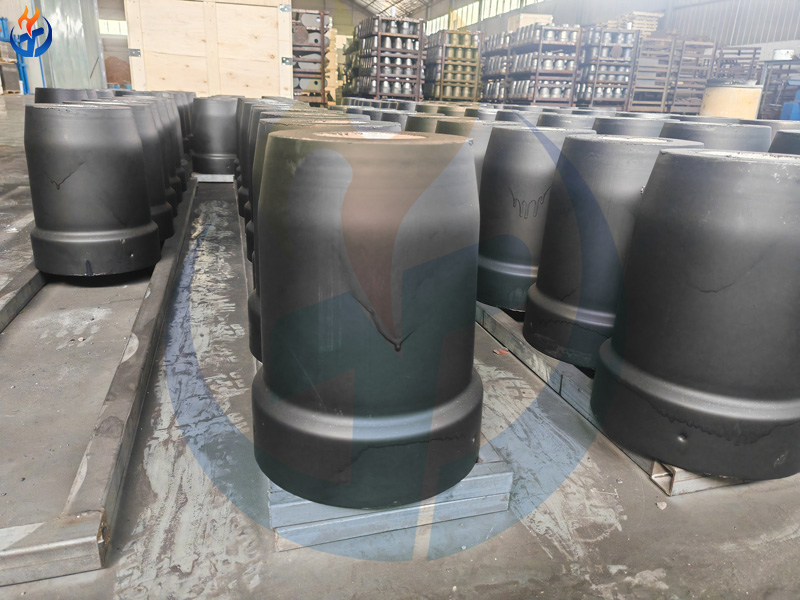
8. Tundish Nozzle
Function:
Tundish nozzles play a crucial role in managing the flow of molten steel from the tundish to the mold. These nozzles ensure that the steel flows smoothly into the mold, preventing air entrainment and surface defects in the final product.
Application:
These nozzles are essential in continuous casting systems, especially in processes where high levels of control over the flow of steel are required. They are particularly important in industries such as automotive and construction, where the quality of steel is critical.
Material:
Tundish nozzles are typically made from durable, high-temperature-resistant ceramic materials, such as zirconia or alumina-based compounds. These materials offer both heat resistance and the ability to handle corrosive environments.
Conclusion
In steelmaking and casting processes, nozzles play a vital role in controlling the flow of molten steel, minimizing impurities, and ensuring high-quality products. Each nozzle type is designed for a specific purpose, and their selection depends on the desired characteristics of the final steel product. Understanding the various nozzle types, their functions, and materials can significantly improve the efficiency and quality of steel production.
By choosing the right nozzles from Xintai Refractory, steel manufacturers can ensure smoother production processes, reduced waste, and higher-quality steel. As technology continues to evolve, new and improved nozzle designs will likely emerge, further enhancing the capabilities of the steelmaking and casting industries.