In continuous casting operations, the tundish plays a critical yet often underestimated role. Acting as an intermediate vessel between the ladle and the mold, the tundish is responsible for steel distribution, flow control, inclusion removal, and temperature stabilization. At the heart of its reliability and efficiency lies one key factor: tundish refractory lining.
A well-designed tundish refractory lining system directly impacts steel cleanliness, casting stability, energy efficiency, and operational cost. With increasing demands for higher-quality steel, longer tundish campaign life, and reduced downtime, the performance, design, and optimization of tundish refractory lining have become central concerns for modern steel plants.
This article provides a comprehensive overview of tundish refractory lining systems, with a particular focus on tundish boards, insulating refractory materials, and optimization strategies for different casting conditions.
1. The Role of Tundish Refractory Lining in Continuous Casting
The tundish is exposed to extreme thermal, chemical, and mechanical stresses during steel casting. Its refractory lining must perform multiple functions simultaneously:
Protect the steel shell from high-temperature molten steel
Maintain thermal insulation to reduce temperature loss
Resist chemical corrosion from slag and molten steel
Withstand thermal shock during preheating and casting
Support stable steel flow and inclusion flotation
A failure or weakness in the tundish refractory lining can lead to steel contamination, temperature fluctuations, premature shutdowns, and even safety risks. Therefore, refractory lining design is not simply about durability—it is about process control and steel quality optimization.
2. Structure of a Typical Tundish Refractory Lining System
A modern tundish refractory lining system is usually composed of multiple layers, each serving a specific function:
2.1 Permanent Lining (Safety Lining)
The permanent lining is installed directly against the steel shell of the tundish. Its main purposes are:
Structural protection
Long-term durability
Resistance to mechanical damage
Common materials include high-alumina bricks, dense castables, or fired refractory bricks. This layer is not replaced frequently and serves as the foundation for the working lining.
2.2 Insulating Layer
The insulating layer plays a crucial role in heat preservation and energy efficiency. Insulating refractory materials used in tundish linings help:
Reduce heat loss during casting
Lower preheating energy consumption
Improve molten steel temperature stability
Typical insulating materials include lightweight castables, insulating bricks, and ceramic fiber-based products. The correct selection of insulating refractory materials can significantly reduce tundish shell temperature and prolong refractory life.
2.3 Working Lining (Functional Layer)
The working lining is in direct contact with molten steel and slag. It is designed for easy installation and removal and is often replaced every casting sequence or campaign.
This is where tundish boards and spray-applied or dry vibratable materials are commonly used.
3. Tundish Boards: A Key Component of Modern Tundish Lining
3.1 What Are Tundish Boards?
Tundish boards are prefabricated refractory panels, typically made from low-iron, high-purity refractory materials. They are installed as the working lining on tundish walls and bottom surfaces.
Compared with traditional castables, tundish boards offer greater consistency, faster installation, and improved performance predictability.
3.2 Advantages of Using Tundish Boards
Tundish boards have become increasingly popular due to several performance advantages:
Quick installation and removal, reducing turnaround time
Uniform thickness and quality, minimizing weak points
Low impurity content, reducing steel contamination
Good thermal shock resistance, suitable for frequent starts and stops
Clean working surface, improving steel cleanliness
Because tundish boards are factory-controlled products, they ensure stable performance across different casting campaigns.
3.3 Material Composition of Tundish Boards
Most tundish boards are based on:
High-purity alumina
Mullite-based compositions
Low-carbon or carbon-free formulations
The absence of excessive carbon helps reduce carbon pickup in steel, especially critical for low-carbon and ultra-low-carbon grades.
4. Insulating Refractory Materials in Tundish Lining Design
4.1 Importance of Thermal Insulation
Thermal insulation is a decisive factor in tundish performance. Poor insulation leads to:
Excessive steel temperature loss
Higher energy consumption during preheating
Increased thermal stress on refractory materials
By using advanced insulating refractory materials, steel plants can achieve better temperature control while reducing overall energy costs.
4.2 Types of Insulating Refractory Materials Used in Tundishes
Common insulating materials include:
Lightweight insulating castables
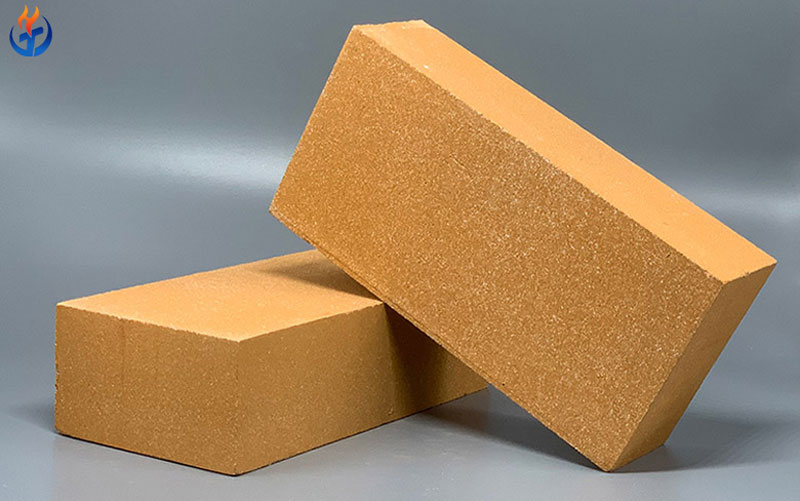
Insulating refractory bricks
Microporous insulation panels
Ceramic fiber modules and blankets
Each type has its own advantages depending on operating temperature, tundish size, and campaign duration.
4.3 Balancing Insulation and Strength
While insulation is important, mechanical strength and erosion resistance cannot be sacrificed. The design challenge lies in balancing:
Low thermal conductivity
Sufficient compressive strength
Resistance to slag penetration
Modern tundish refractory lining systems often use composite insulation designs to achieve this balance.
5. Performance Requirements of Tundish Refractory Lining
To meet modern steelmaking demands, tundish refractory lining materials must satisfy several critical performance criteria:
5.1 Thermal Shock Resistance
Rapid heating during preheating and sudden temperature changes during casting require materials with excellent thermal shock resistance, especially for tundish boards and working linings.
5.2 Chemical Stability
Refractory materials must resist corrosion from:
Basic or acidic slags
Molten steel of different compositions
Fluxes and additives
Low-reactivity materials help maintain steel purity and reduce refractory wear.
5.3 Erosion and Wear Resistance
Steel flow turbulence can cause localized erosion, particularly near impact zones and outlets. Optimized lining design reduces flow velocity and protects vulnerable areas.
6. Design Considerations for Optimized Tundish Refractory Lining
6.1 Tundish Geometry and Flow Control
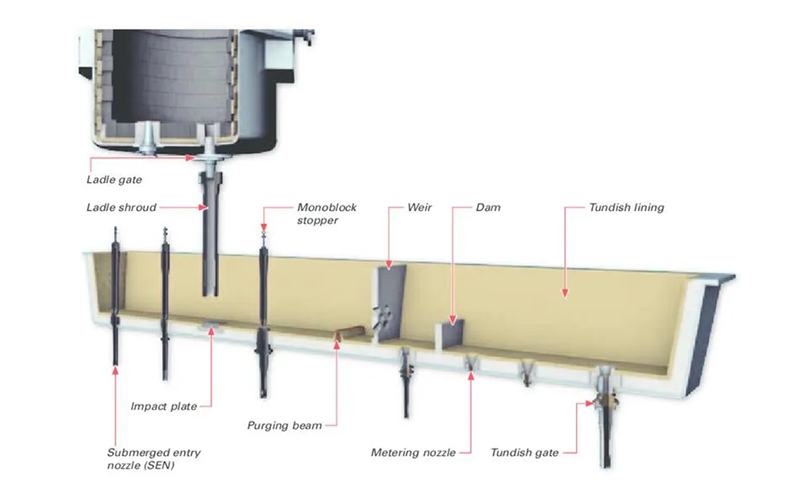
Refractory lining design must align with tundish geometry, including dams, weirs, and impact pads. Proper flow control enhances inclusion removal and protects the lining from excessive wear.
6.2 Casting Steel Grades
Different steel grades impose different requirements on tundish refractory lining:
Ultra-low-carbon steel requires low-carbon lining materials
Alloy steels may require enhanced corrosion resistance
Clean steel grades demand ultra-low impurity refractories
Material selection should always be grade-specific.
6.3 Campaign Life and Maintenance Strategy
Some plants prioritize long campaign life, while others focus on quick turnaround and flexibility. The choice between tundish boards, spray linings, or dry materials depends on maintenance philosophy and production scheduling.
7. Optimization Strategies for Tundish Refractory Lining
7.1 Layered Lining Optimization
Using a multi-layer lining system—combining permanent lining, insulating refractory materials, and tundish boards—allows each layer to perform its optimal function.
7.2 Preheating Optimization
Proper preheating reduces thermal shock and extends refractory life. Insulating materials play a key role in achieving uniform temperature distribution during preheating.
7.3 Targeted Reinforcement of High-Wear Areas
High-impact zones such as ladle shrouds, impact pads, and nozzle areas should use reinforced refractory solutions to extend service life and prevent premature failure.
Conclusion
The tundish refractory lining is far more than a protective barrier—it is a critical system that influences steel quality, process stability, and production efficiency. Through thoughtful design, careful material selection, and continuous optimization, steelmakers can significantly enhance tundish performance.
By combining high-quality tundish boards, advanced insulating refractory materials, and a well-structured lining system, modern tundishes can achieve longer campaign life, improved thermal efficiency, and cleaner steel output.
As steel production standards continue to rise, the importance of optimized tundish refractory lining solutions will only grow, making them a strategic investment rather than a consumable expense.