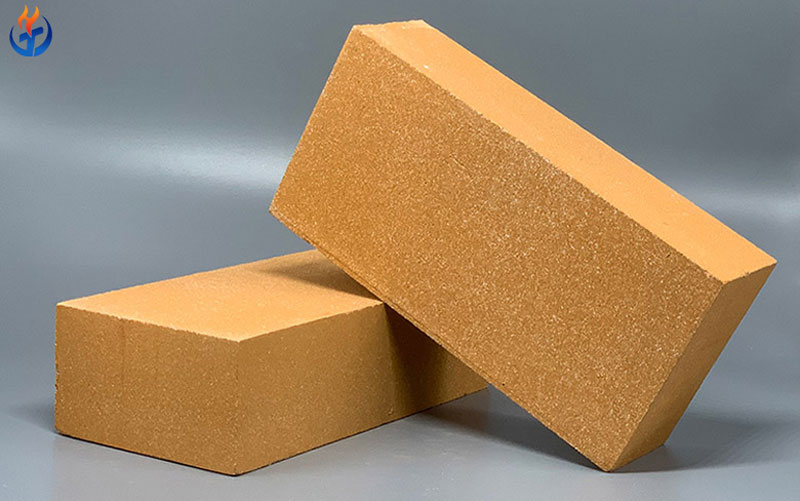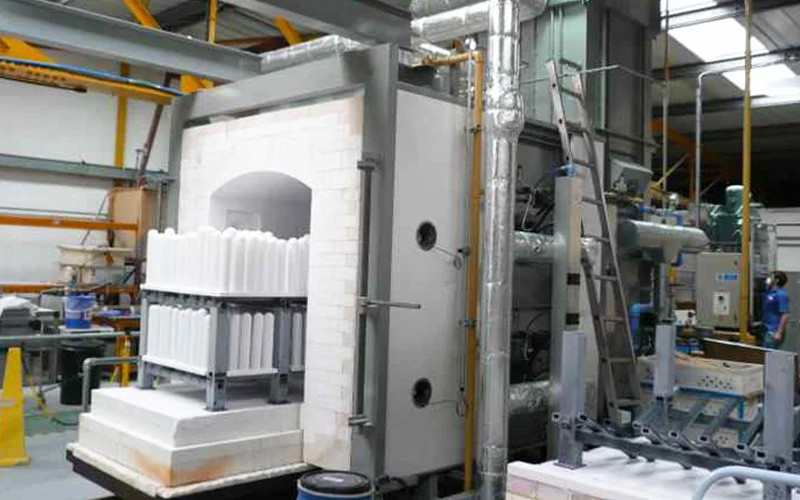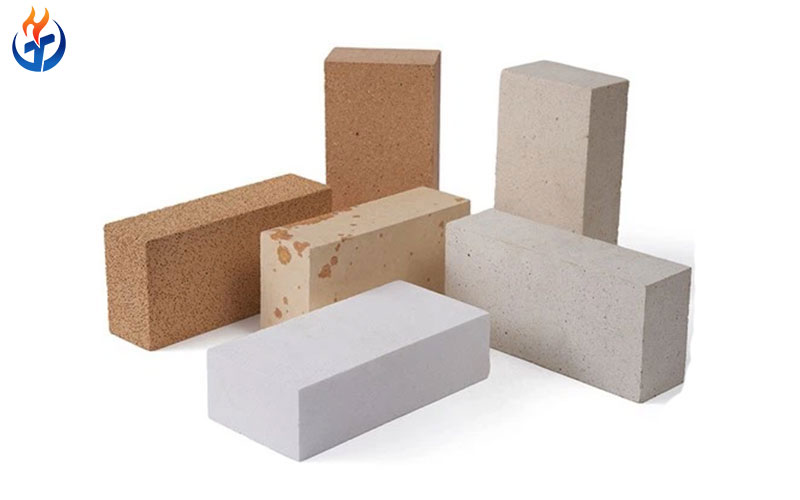
In industries such as steel, cement, glass, and ceramics, high-temperature processes are inevitable. These processes require materials that can withstand extreme heat, thermal shock, and mechanical stress. Among the most critical materials in these applications are refractory bricks and insulation bricks. Though they may seem similar at first glance, refractory bricks and insulation bricks serve very different purposes. Understanding their properties, applications, and differences is crucial for engineers, manufacturers, and plant managers to make informed decisions when designing furnaces, kilns, and other high-temperature equipment.
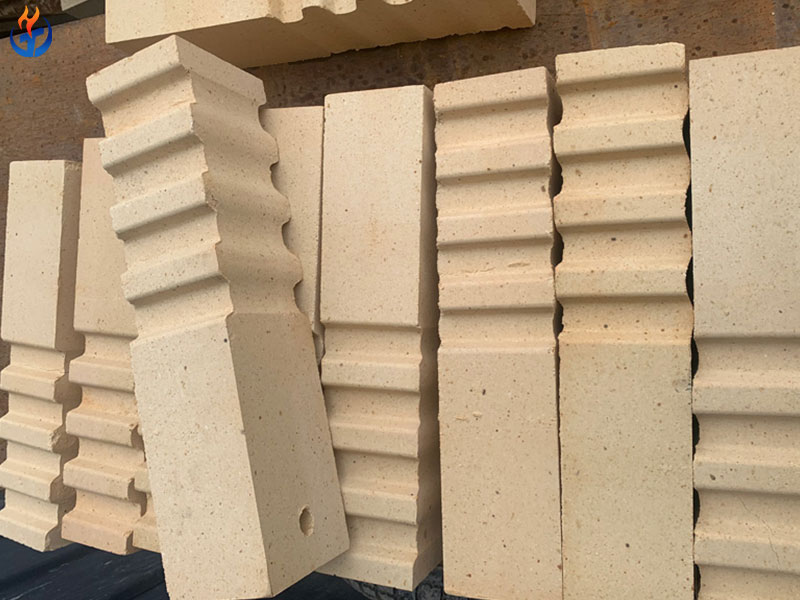
What Are Refractory Bricks?
Refractory bricks, also known as fire bricks, are engineered to withstand extremely high temperatures while maintaining structural integrity. They are composed of refractory ceramic materials, which include alumina, silica, magnesia, or a combination of these. Refractory bricks are characterized by their high melting points, mechanical strength, and resistance to chemical corrosion from slags and fluxes commonly found in industrial processes.
Key Properties of Refractory Bricks
High Thermal Resistance: Refractory bricks can tolerate temperatures above 1600°C, depending on the material composition. This makes them suitable for the linings of furnaces, kilns, and boilers.
Mechanical Strength: These bricks can bear heavy loads and resist deformation under extreme heat and pressure.
Chemical Resistance: Refractory bricks resist corrosion from acidic or basic slags, molten metals, and other chemical reagents.
Thermal Shock Resistance: Some types of refractory bricks, especially those with high alumina content, can withstand rapid temperature changes without cracking.
Types of Refractory Bricks
Refractory bricks are often classified based on their chemical composition:
Fireclay Bricks: Made primarily of alumino-silicate clay; they are cost-effective and suitable for temperatures up to 1,650°C.
High Alumina Bricks: Contain more than 50% alumina; ideal for higher temperature zones and for resisting slag corrosion.
Silica Bricks: Mainly composed of SiO₂; resistant to acidic slags and thermal expansion, commonly used in glass furnaces.
Magnesia Bricks: Composed of MgO; ideal for basic slags in steel-making furnaces.
Applications of Refractory Bricks
Refractory bricks are primarily used in the following industries:
Iron and Steel Industry: For blast furnace linings, steel ladles, and slagging zones.
Cement Industry: In rotary kilns, preheaters, and clinker coolers.
Glass Industry: In tank furnaces, channels, and regenerators.
Ceramics and Non-Ferrous Metals: In kilns, melting furnaces, and holding furnaces.
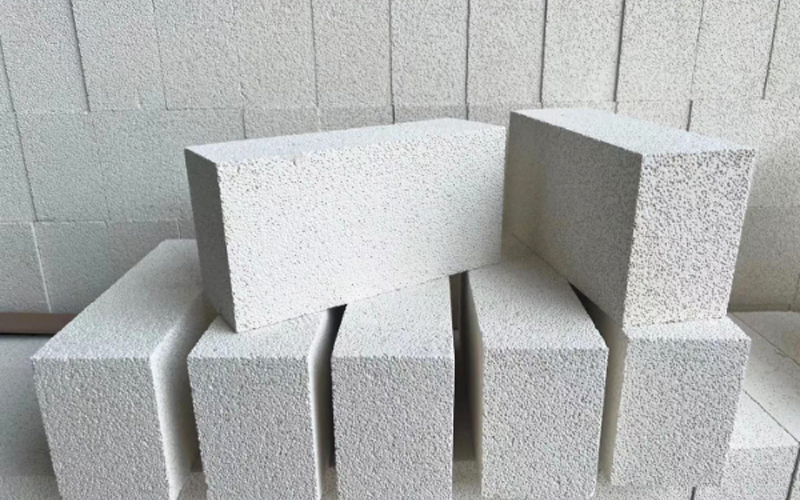
What Are Insulation Bricks?
Insulation bricks, often called lightweight or insulating fire bricks, are designed not to withstand high mechanical loads but to minimize heat loss. Unlike refractory bricks, which are dense and heavy, insulation bricks are light, porous, and low in thermal conductivity. They serve primarily as thermal insulators, reducing energy consumption and improving furnace efficiency.
Key Properties of Insulation Bricks
Low Thermal Conductivity: Insulation bricks prevent heat from escaping, keeping the furnace energy-efficient.
Lightweight: Their low density reduces the overall weight of furnace linings, which is beneficial in movable or modular furnace structures.
Good Thermal Shock Resistance: Porous structure allows them to tolerate rapid temperature changes without cracking.
Moderate Temperature Resistance: Typically withstand temperatures between 1,000°C and 1,500°C, lower than high-grade refractory bricks.
Types of Insulation Bricks
Alumina-Silica Insulation Bricks: Offer moderate temperature resistance with lightweight characteristics.
High Alumina Insulation Bricks: Designed for slightly higher temperature applications while still maintaining insulating properties.
Zirconia-Based Insulation Bricks: Offer specialized thermal insulation in extremely high-temperature zones.
Applications of Insulation Bricks
Insulation bricks are used where heat retention is crucial, including:
Furnace Backing and Side Walls: To reduce heat loss while protecting outer steel shells.
Industrial Kilns and Ovens: Particularly in ceramics and glass industries, where energy efficiency is essential.
Petrochemical and Cement Plants: In zones requiring thermal insulation rather than heavy mechanical resistance.
Heating Equipment: Boilers, heaters, and thermal processing equipment.
Refractory Bricks vs. Insulation Bricks: Key Differences
Although both refractory and insulation bricks operate in high-temperature environments, their properties, compositions, and purposes differ significantly. Understanding these differences is critical for optimizing furnace design and operational efficiency.
| Feature | Refractory Bricks | Insulation Bricks |
|---|---|---|
| Primary Function | Withstand high temperatures and mechanical load | Reduce heat loss and provide insulation |
| Density | High (2.4–3.5 g/cm³) | Low (0.7–1.5 g/cm³) |
| Thermal Conductivity | Moderate to high | Low |
| Temperature Resistance | Up to 1,800°C or higher | 1,000–1,500°C |
| Mechanical Strength | High, can bear heavy loads | Low, cannot bear heavy loads |
| Weight | Heavy | Lightweight |
| Porosity | Low | High |
| Typical Applications | Furnace linings, steel ladles, kilns | Furnace backing, side walls, insulation layers |
| Cost | Higher due to dense material and raw material quality | Lower per cubic meter but may require thicker walls |
Advantages of Using Refractory and Insulation Bricks
| Advantages | Refractory Bricks | Insulation Bricks |
|---|---|---|
| Durability | Maintain structural integrity under extreme conditions. | N/A |
| Versatility | Suitable for both acidic and basic environments, depending on composition. | N/A |
| Longevity | With proper installation and maintenance, can last for years in harsh industrial environments. | N/A |
| Energy Efficiency | N/A | Reduces heat loss and saves operational costs. |
| Ease of Installation | N/A | Lightweight and easy to handle. |
| Thermal Protection | N/A | Protects outer furnace structures from high temperatures. |
Choosing Between Refractory and Insulation Bricks
In practice, many industrial furnaces and kilns use a combination of refractory and insulation bricks. This layered approach optimizes performance while minimizing costs. The dense refractory bricks are used in high-stress zones where mechanical strength is critical, while insulation bricks are applied in outer layers to reduce heat loss.
Considerations for Selection
Operating Temperature: Choose refractory bricks for extremely high-temperature zones; insulation bricks are suitable for lower temperature insulation layers.
Mechanical Load: Areas with heavy wear and mechanical stress require refractory bricks.
Energy Efficiency: To reduce energy consumption, insulation bricks should be used in outer layers.
Chemical Environment: Corrosive or slag-contact zones need chemical-resistant refractory bricks.
Budget: While insulation bricks are cheaper, the combination with refractory bricks provides long-term savings.
Combined Applications: Best of Both Worlds
Many modern furnaces are designed with a dual-layer brick system:
Inner Layer: High-density refractory bricks provide structural support, mechanical strength, and chemical resistance.
Outer Layer: Lightweight insulation bricks reduce heat loss and maintain thermal efficiency.
This combination ensures durability, energy efficiency, and cost-effectiveness. For example, in steel-making ladles, the refractory layer resists molten metal, while the insulation layer reduces heat loss, keeping the steel at optimal temperatures. Similarly, in rotary kilns for cement, refractory bricks handle the inner high-temperature zones, and insulation bricks improve energy efficiency along the kiln shell.
Conclusion
Refractory bricks and insulation bricks serve distinct but complementary roles in high-temperature industrial applications. Refractory bricks provide mechanical strength, chemical resistance, and high-temperature tolerance, while insulation bricks focus on thermal efficiency, energy saving, and lightweight construction. Selecting the right brick depends on operating conditions, temperature zones, mechanical requirements, and budget constraints.
For engineers and plant operators, the best approach is often a combined brick system, where refractory bricks form the inner structural core, and insulation bricks provide an outer protective layer. This strategy not only ensures furnace longevity but also reduces energy consumption, enhances safety, and optimizes operational performance.
Understanding the differences between refractory bricks and insulation bricks is not just a matter of materials knowledge—it is a critical factor in designing efficient, durable, and cost-effective high-temperature equipment for modern industry.
If you are comparing refractory bricks prices for furnaces, kilns, or industrial linings, always remember: the right refractory is an investment, not just a purchase. Welcome to contact Xintai Refractory for details!