When it comes to high-temperature applications in industries such as cement, steel, glass, and ceramics, insulation bricks play a critical role. Not only do they provide thermal insulation, but they also enhance energy efficiency and protect structural components. For many businesses and manufacturers, understanding insulation bricks price is essential for budgeting, procurement, and project planning.
In this guide, we will explore the factors that influence the cost of insulation bricks, the types available on the market, and tips for getting the best value for your investment.
Know More About Insulation Bricks
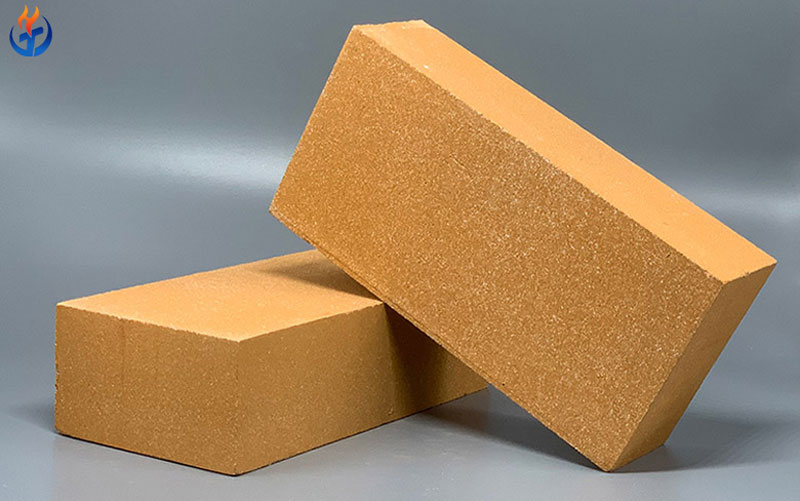
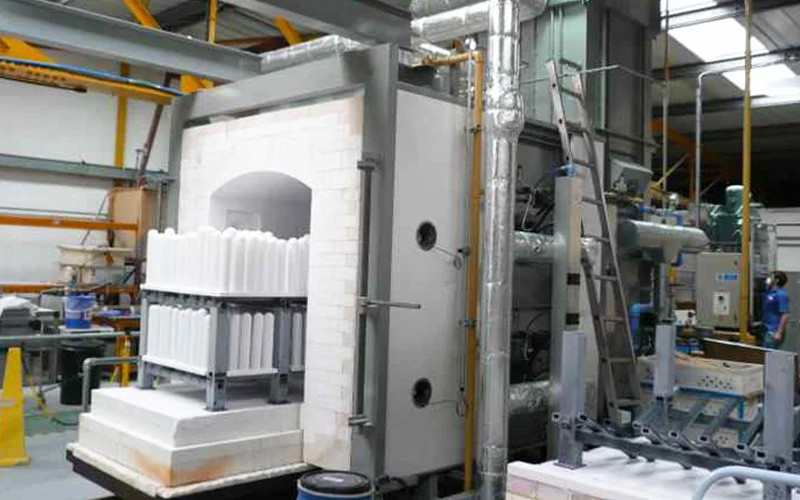
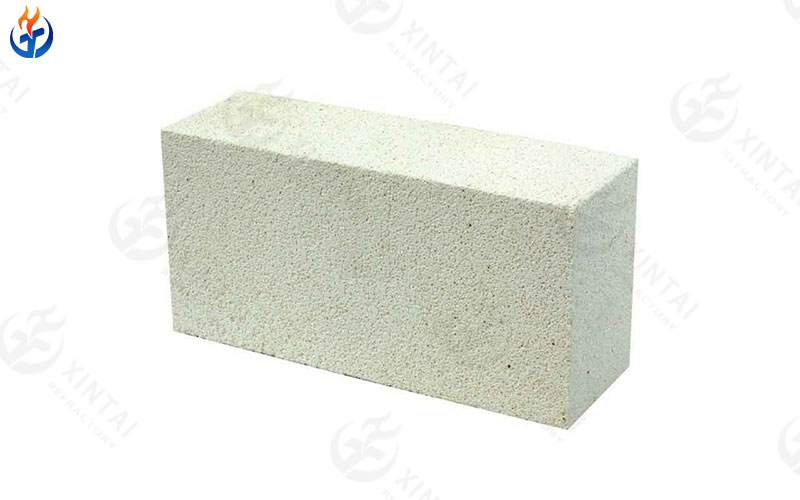
Before diving into pricing, it’s important to understand what insulation bricks are. These bricks are specialized refractory materials designed primarily for heat insulation rather than bearing heavy loads. Unlike dense refractory bricks, insulation bricks are lightweight, have low thermal conductivity, and can withstand high temperatures while minimizing heat loss. They are widely used in industrial furnaces, kilns, and high-temperature processing equipment.
Factors Affecting Insulation Bricks Price
The price of insulation bricks is not fixed; it varies depending on several critical factors. For buyers and procurement managers, understanding these factors can help in making informed purchasing decisions.
1. Material Composition
Insulation bricks are manufactured using various raw materials, and the choice of material significantly affects the insulation bricks price. Common materials include:
High Alumina: Provides higher temperature resistance but tends to be more expensive.
Mullite: Offers a balance between thermal insulation and structural strength.
Lightweight Fireclay or Ceramic: More cost-effective but with moderate performance.
The higher the thermal performance required, the higher the price tends to be.
2. Density and Thermal Conductivity
The density of insulation bricks directly influences their thermal conductivity. Low-density bricks have lower thermal conductivity, meaning better insulation, but they may also be more fragile. Bricks with optimized density for specific applications are often priced higher because of the precise manufacturing processes involved.
3. Size and Shape
Standard brick sizes are usually more affordable than custom shapes or large-size blocks. Custom-designed bricks for specific furnace shapes or industrial equipment require specialized molds and production processes, which can increase the insulation bricks price.
4. Manufacturing Process
Modern manufacturing methods such as extrusion, pressing, and advanced firing technology can influence the cost. High-quality bricks produced with controlled processes tend to have consistent performance, higher durability, and therefore higher pricing compared to basic or less precise manufacturing techniques.
5. Quantity and Order Size
Bulk orders often benefit from lower unit prices. Suppliers may provide discounts for large quantities, whereas small or custom orders can cost significantly more per brick.
6. Supplier Reputation and Location
Established manufacturers with proven track records of quality and reliability may charge more. Additionally, transportation costs from the supplier’s location to the customer can add to the overall price, especially for heavy shipments or international orders.
Typical Price Range of Insulation Bricks
While the insulation bricks price varies widely, it is useful to understand general market ranges. Lightweight insulation bricks can cost anywhere from $1 to $5 per kilogram, depending on the factors mentioned above. High-performance bricks like mullite or high-alumina insulation bricks may reach $6 to $10 per kilogram or more.
Keep in mind that prices fluctuate based on raw material costs, market demand, and production efficiency. Consulting multiple suppliers and comparing specifications is essential for accurate budgeting.
Types of Insulation Bricks and Their Cost Implications
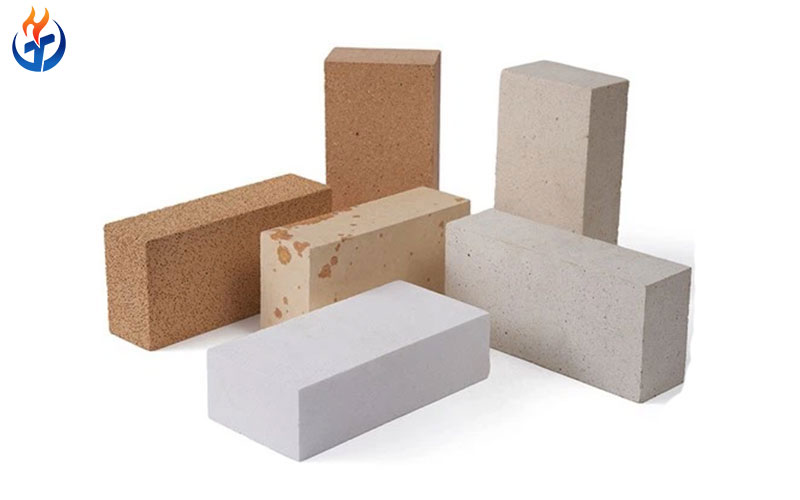
Different types of insulation bricks come with varying costs. Here’s a quick overview:
High-Temperature Insulation Bricks: Used in furnaces operating above 1600°C. They are lightweight but durable and priced on the higher side.
Mullite Insulation Bricks: Known for their stability and low thermal expansion. Moderate to high cost depending on purity and density.
Lightweight Ceramic Bricks: Affordable solution for moderate-temperature applications, ideal for cost-sensitive projects.
Rebonded or Custom Bricks: Made from crushed raw materials and bonded with resin or cement. Prices vary based on customization and production scale.
How to Choose Insulation Bricks for Cost Efficiency
Understanding insulation bricks price is only one part of procurement. Selecting the right brick requires balancing cost with performance, durability, and application needs. Here are some practical tips:
Evaluate Thermal Requirements: Choose bricks with thermal conductivity suitable for your operational temperature. Over-specifying can unnecessarily increase cost.
Consider Structural Support Needs: For areas requiring slight load-bearing capacity, choose bricks that provide both insulation and structural integrity.
Calculate Total Cost: Include transportation, installation, and replacement intervals in the cost analysis. Sometimes a slightly higher upfront price reduces long-term operational costs.
Check Supplier Credentials: Quality bricks reduce maintenance costs and downtime. Verify certifications, production methods, and references before purchasing.
Request Samples: Before bulk procurement, testing sample bricks in your equipment ensures compatibility and performance.
Conclusion
For industries requiring high-temperature insulation, understanding insulation bricks price is crucial for efficient budgeting and project planning. Prices are influenced by material composition, density, size, manufacturing process, quantity, and supplier factors. While cost is important, it should be considered alongside performance, durability, and total operational efficiency.
When selecting insulation bricks, balancing price with quality ensures that your industrial equipment operates safely, efficiently, and reliably. Always consult reputable suppliers, compare specifications, and evaluate the long-term benefits of investing in high-quality insulation bricks.
Whether you are upgrading existing furnaces or building new high-temperature facilities, a strategic approach to purchasing insulation bricks can lead to significant savings and enhanced operational performance.
If you are comparing insulation bricks prices for furnaces, kilns, or industrial linings, always remember: the right refractory is an investment, not just a purchase. Welcome to contact Xintai Refractory for details!