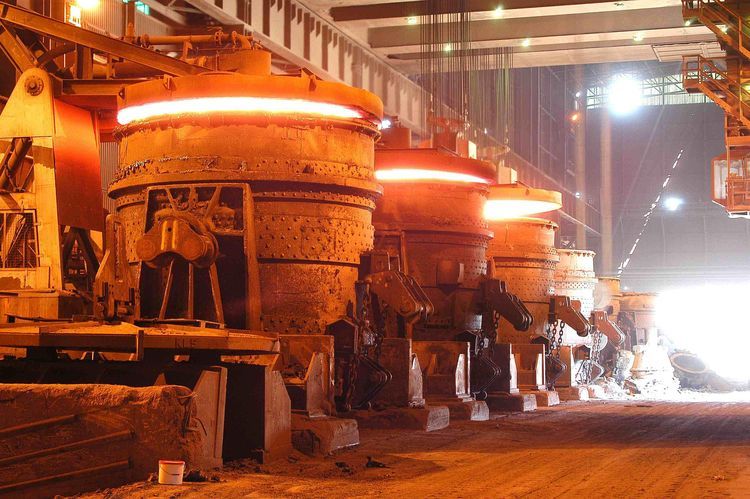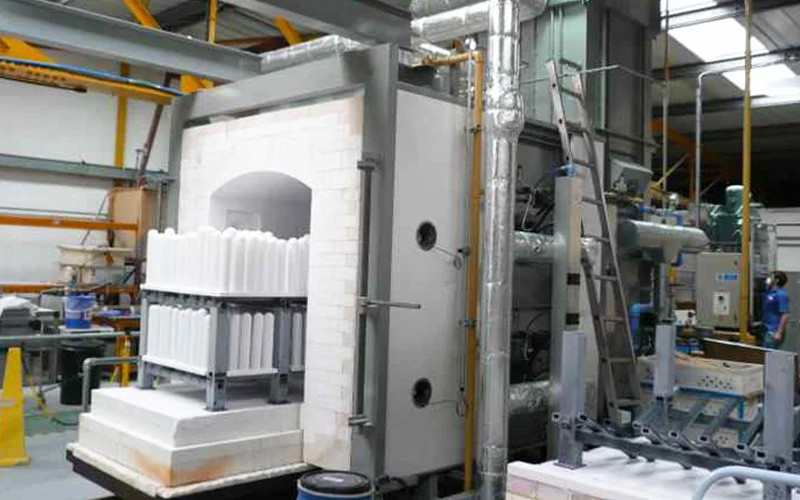
Copper smelting is one of the most complex processes among non-ferrous metal production methods. The production of copper involves multiple stages, including roasting, smelting, converting, and refining. Due to the high temperatures, corrosive slags, and mechanical stresses involved in copper smelting, refractory materials play a crucial role in ensuring furnace longevity, operational efficiency, and safety. Among these, refractory bricks are essential components, especially in modern high-efficiency furnaces like flash furnaces, Noranda furnaces, and Osmet furnaces. This article explores the application of refractory bricks in the copper smelting industry, their types, placement, and how they enhance furnace performance.
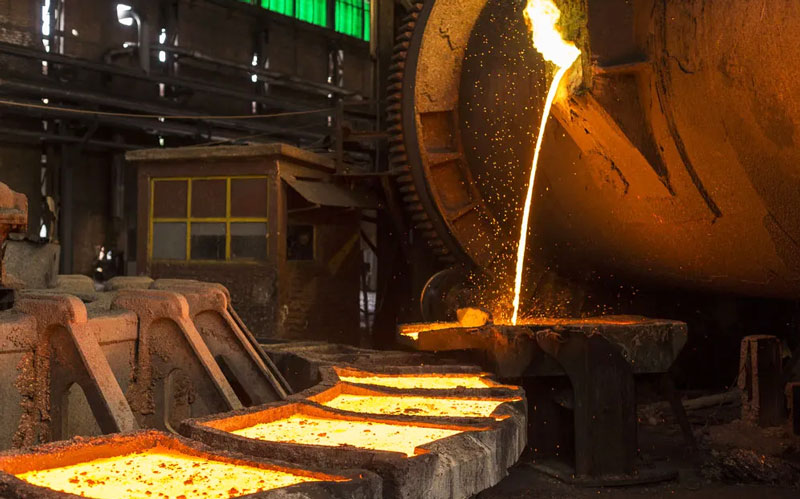
Importance of Refractory Bricks in Copper Smelting
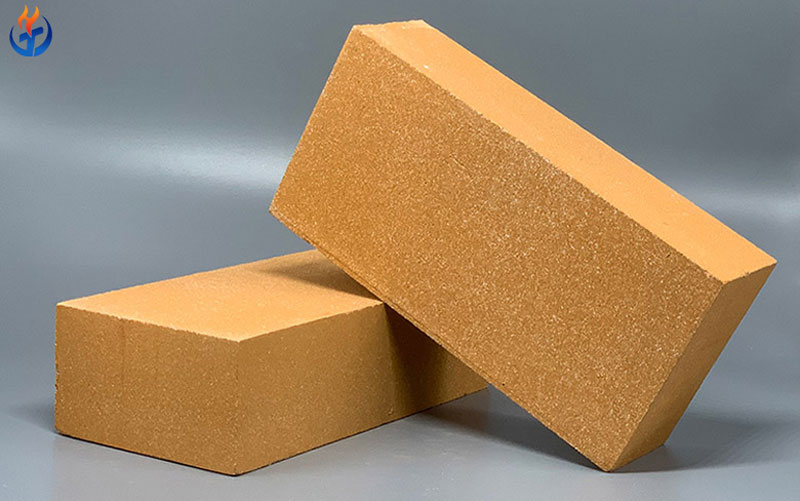
In copper smelting, furnaces operate at extremely high temperatures, often exceeding 1,200°C (2,192°F), and are exposed to molten copper matte, slag, dust-laden gases, and chemical reactions. These conditions are highly erosive and corrosive, leading to rapid deterioration of furnace linings. Refractory bricks, made from high-quality magnesia, magnesia-chrome, or high-alumina materials, provide the thermal insulation, chemical resistance, and mechanical strength required to withstand these harsh environments.
The key functions of refractory bricks in copper smelting include:
Thermal insulation: Maintaining the necessary high temperatures for copper smelting while reducing heat loss.
Corrosion resistance: Resisting chemical attack from molten copper matte, slag, and gases.
Mechanical protection: Withstanding abrasion caused by solid particles and high-speed airflow in the furnace.
Prolonging furnace lifespan: Proper refractory materials reduce maintenance frequency and operational downtime.
Flash Furnace: Refractory Brick Applications
The flash furnace is a high-efficiency copper smelting furnace widely used in modern copper production. The furnace features a reaction tower, sedimentation tank, and rising flue.
2.1 Reaction Tower
In the reaction tower, the airflow and molten copper matte interact at high velocity and temperature. This creates severe erosion and corrosion, especially in the lower and middle sections of the tower. Fused magnesia-chrome bricks are commonly used to line these areas because of their excellent thermal stability and chemical resistance. To further protect the bricks, water-cooled copper jackets or pipes are often embedded in the lining.
The top of the reaction tower, where temperatures are slightly lower, can be lined with ordinary magnesia-chrome bricks. However, the connections between the reaction tower and the sedimentation tank require specialized linings, such as finned copper bricks embedded with refractory castables, to resist the high-temperature melt and abrasive gas flow.
2.2 Sedimentation Tank
The sedimentation tank is critical for slag separation and further reaction completion. The lower walls, near the slag line, are highly prone to erosion. Here, high-quality pre-reacted magnesia-chrome bricks or directly combined magnesia-chrome bricks are used. Water-cooled systems, including horizontal and inclined copper water jackets, are often installed to prolong brick life. The furnace roof may feature “H” type water-cooled beams sandwiched in refractory castables to prevent axial deformation under high thermal stress.
As flash furnaces scale up, the demand for high-performance refractory bricks increases, highlighting the importance of ongoing material innovation in the copper smelting industry.
Noranda Furnace: Refractory Brick Applications
The Noranda furnace, another large-scale copper smelting technology, combines drying, roasting, smelting, blowing, and slag-making in a single rotating furnace. This unique process exposes the lining to strong mechanical stirring and high chemical stress, increasing the requirements for refractory materials.
3.1 Key Areas of Lining Damage
The most vulnerable areas include:
Tuyere zone
Furnace walls opposite the tuyere
Slag line areas
Copper matte and slag discharge ports
Feeding and furnace ports
To withstand these conditions:
Fused cast magnesia-chrome bricks are used at the copper matte outlet.
Fused magnesia-chrome bricks line other critical areas.
Directly combined magnesia-chrome bricks are used for the furnace body and end walls.
High-alumina bricks are installed at the furnace bottom.
Gaps between bricks and the furnace shell are filled with refractory muds, such as silicon carbide-based or magnesia-based mortars, providing thermal expansion accommodation and additional chemical resistance.
Modern Chinese-produced refractory bricks meet or exceed the performance of imported bricks while offering significant cost advantages, making them increasingly popular in Noranda furnace construction.
Osmet Furnace: Refractory Brick Applications
Osmet technology, also known as top-blown immersion smelting, uses a cylindrical furnace with a conical discharge section. The process involves intense stirring of raw materials, fuel, and preheated air, creating highly erosive and corrosive conditions inside the furnace.
4.1 Refractory Requirements
The inner lining must resist:
Erosion from solid materials and slag
Corrosion from alkaline liquids and high-temperature gases
Abrasion from mechanical stirring
Fused magnesia-chrome bricks or chrome-aluminum spinel bricks are typically used to line the most critical sections of the Osmet furnace. These materials provide exceptional resistance to high temperatures and chemical attack. In addition, some furnaces use water-cooled copper components or castable refractory layers to further improve durability.
The bottom of the furnace, discharge ports, and slag ports are particularly susceptible to wear, so high-performance refractory bricks are essential for reliable operation.
Types of Refractory Bricks in Copper Smelting
The copper smelting industry relies on several types of refractory bricks, each chosen based on the furnace type, operational conditions, and cost considerations:
Fused Magnesia-Chrome Bricks: Highly resistant to chemical attack and thermal shock; used in high-stress areas of flash, Noranda, and Osmet furnaces.
Pre-reacted Magnesia-Chrome Bricks: Provide enhanced corrosion resistance and are suitable for slag line areas.
Directly Combined Magnesia-Chrome Bricks: Used in furnace walls and end walls to reduce thermal stress.
High-Alumina Bricks: Applied at furnace bottoms for abrasion resistance.
Chrome-Aluminum Spinel Bricks: Suitable for Osmet furnace linings due to high erosion resistance.
Conclusion
Refractory bricks are the backbone of furnace reliability in the copper smelting industry. Whether in flash furnaces, Noranda furnaces, or Osmet furnaces, the proper selection and installation of refractory bricks ensure operational efficiency, reduce maintenance costs, and prolong furnace lifespan.
China has made significant progress in producing high-quality refractory materials that rival imported products while offering economic advantages. As copper smelting technology continues to advance, the development of more durable and thermally resistant refractory bricks will remain a critical factor for the industry.
By understanding the application and placement of different types of refractory bricks, copper producers can optimize furnace performance, improve productivity, and maintain high safety standards in the demanding environment of copper smelting.