In the field of refractory materials, selecting the right castable material is crucial for achieving optimal performance in high-temperature applications. Two commonly used refractory castables are chrome corundum castable and corundum castable. Although both are widely used in industries such as steel, cement, glass, and non-ferrous metals, they have significant differences in terms of chemical composition, physical properties, performance characteristics, and applications. In this article, we will explore the distinctions between chrome corundum castable and corundum castable, helping engineers and buyers make informed decisions.
Understanding Castable Refractories
Before diving into the differences, it is important to understand what castable refractories are.
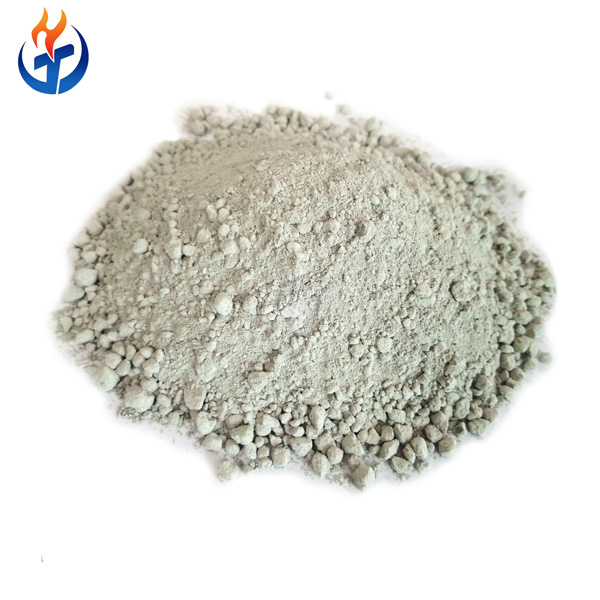
Castable refractories are pre-mixed refractory materials that can be mixed with water and poured, pumped, or cast into molds or structures to form dense, monolithic linings. They are commonly classified into three categories:
High-alumina castables – containing a high percentage of alumina (Al₂O₃) for excellent heat resistance.
Corundum castables – containing a high proportion of corundum aggregates (Al₂O₃ above 90%).
Chrome-based castables – containing chromite (FeCr₂O₄) as a major component, providing unique chemical resistance.
Castable refractories are valued for their excellent mechanical strength, thermal shock resistance, and corrosion resistance. However, subtle differences in raw materials lead to variations in performance and suitability for specific applications.
Corundum Castable
Corundum castable is a high-alumina refractory castable with a high content of corundum aggregates. Corundum (Al₂O₃) is one of the hardest known minerals, providing excellent wear resistance and high-temperature stability.
Composition
A typical corundum castable consists of:
Corundum aggregate: 70–90% by weight, usually fused corundum or tabular alumina.
High-alumina cement: 5–15% by weight, to bind the aggregates together.
Additives and fillers: 2–10% by weight, such as silica, alumina flour, or chemical admixtures to improve workability, flowability, and curing properties.
Key Properties
High refractoriness – Can withstand temperatures above 1800°C.
Excellent abrasion resistance – Suitable for areas with strong mechanical wear.
High compressive strength – Offers structural support in heavy industrial equipment.
Thermal shock resistance – Can endure frequent heating and cooling cycles, depending on formulation.
Applications
Corundum castables are widely used in:
Steel industry: blast furnace linings, ladle linings, and electric arc furnace (EAF) applications.
Cement industry: rotary kiln linings.
Glass industry: glass furnace regenerators.
Non-ferrous metals: high-temperature furnaces.
Chrome Corundum Castable
Chrome corundum castable is a refractory castable that combines the hardness of corundum with the chemical stability of chromite. By introducing Cr₂O₃ (chrome oxide) into the composition, this castable achieves enhanced resistance to chemical corrosion, particularly from slag and molten metals.
Composition
A typical chrome corundum castable contains:
Corundum aggregate: 40–60% by weight, providing wear resistance and structural strength.
Chromite: 30–50% by weight, enhancing slag resistance and corrosion resistance.
High-alumina cement: 5–10% by weight, acting as a binder.
Additives and fillers: 2–10% by weight, improving workability and setting characteristics.
Key Properties
Excellent chemical resistance – Highly resistant to basic slags, molten steel, and other aggressive environments.
High refractoriness – Can withstand temperatures of 1700–1800°C.
Good abrasion resistance – Although slightly lower than pure corundum castables, it balances mechanical and chemical performance.
Thermal shock performance – Suitable for industrial processes with rapid temperature fluctuations.
Applications
Chrome corundum castables are mainly used in industries where slag corrosion is a significant issue:
Steel industry: converter, ladle, and tundish linings.
Cement industry: kiln hood and cooler linings exposed to aggressive chemical environments.
Non-ferrous metals: furnaces handling nickel, copper, or other basic fluxes.
Differences Between Chrome Corundum Castable and Corundum Castable
While both types of castables share similar high-temperature stability, there are clear distinctions:
| Feature | Corundum Castable | Chrome Corundum Castable |
|---|---|---|
| Primary Aggregate | Corundum (Al₂O₃) | Corundum + Chromite (Cr₂O₃) |
| Alumina Content | Very high (typically >90%) | Moderate (~60–70%) |
| Chromium Content | None | Significant (30–50%) |
| Abrasion Resistance | Very high | Moderate (slightly lower than corundum castable) |
| Chemical Resistance | Moderate | Excellent against basic slags and molten metals |
| Refractoriness | 1800–1850°C | 1700–1800°C |
| Thermal Shock Resistance | Good | Good, but may vary depending on chromite content |
| Cost | Generally higher due to high-purity corundum | Slightly lower due to mixed aggregate |
| Typical Applications | Wear-intensive areas, steel ladle linings, rotary kilns | Slag-exposed areas, converters, tundishes, basic refractory applications |
Key Takeaways
Performance Trade-offs: Corundum castables excel in mechanical wear resistance, making them ideal for high-abrasion areas. Chrome corundum castables, on the other hand, excel in chemical corrosion resistance, especially against basic slags.
Cost Considerations: While pure corundum castables may have slightly higher raw material costs, the chrome corundum castable can reduce maintenance costs in slag-prone environments.
Application Environment: The choice between these two castables should consider the operational conditions. If chemical corrosion is severe, chrome corundum castable is preferable. If mechanical wear dominates, corundum castable is better.
How to Choose the Right Castable
Choosing between chrome corundum castable and corundum castable depends on several factors:
Slag Composition: For acidic slags, high-alumina corundum castables are ideal. For basic slags, chrome corundum castables provide better chemical resistance.
Temperature Requirements: Both castables can withstand high temperatures, but corundum castables typically tolerate slightly higher peak temperatures.
Mechanical Stress: For areas with heavy abrasion or impact, corundum castables offer superior resistance.
Economic Factors: Consider the cost of raw materials, installation, and long-term maintenance. Chrome corundum castables may be more cost-effective in corrosive environments due to longer service life.
Thermal Cycling: Both materials can handle thermal shock, but repeated rapid heating and cooling might favor corundum castables with higher alumina content.
Conclusion
Both chrome corundum castables and corundum castables are essential materials in modern high-temperature industries. Their differences primarily lie in chemical composition, mechanical performance, and corrosion resistance. Corundum castables are preferred for wear-intensive applications, while chrome corundum castables excel in slag-prone, chemically aggressive environments. Understanding these distinctions allows engineers to select the most suitable material, optimize furnace or kiln performance, reduce downtime, and extend service life.
In practice, many industrial processes may require a combination of both materials, strategically placing corundum castables in high-wear areas and chrome corundum castables in slag-exposed zones. By carefully analyzing operational conditions, refractory engineers can achieve the perfect balance between mechanical durability and chemical resistance.
Looking for corundum refractory castables and other refractory materials? Welcome to Get more from Xintai refractory!