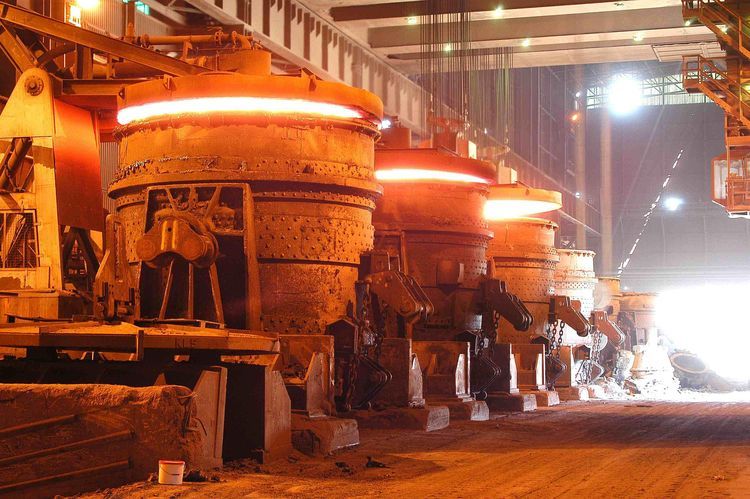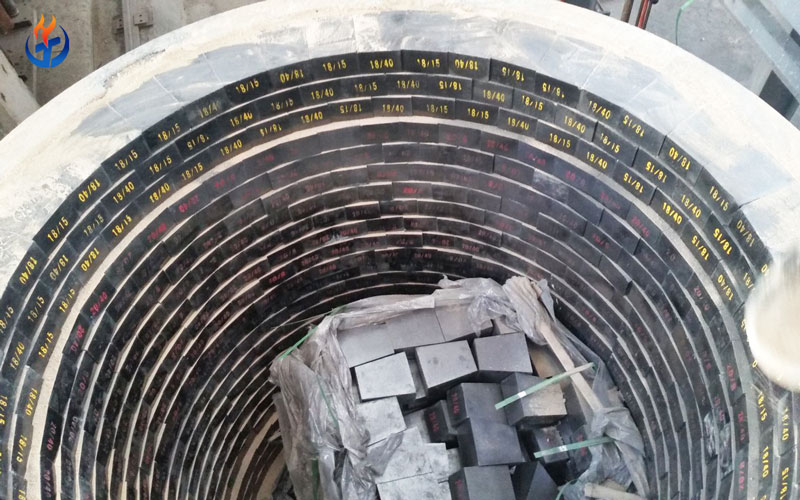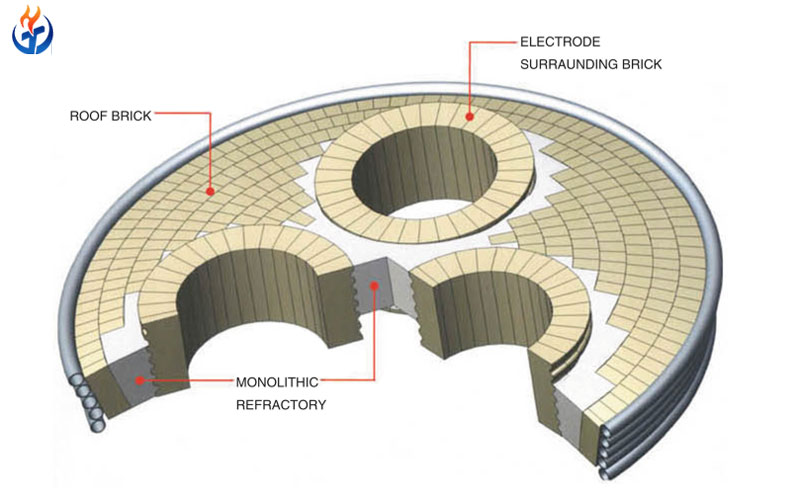
The non-ferrous metal industry—covering the production and refining of metals such as copper, aluminum, nickel, zinc, and lead—relies heavily on materials that can withstand extreme thermal and chemical conditions. At the heart of this resilience are fused cast refractory bricks, advanced refractory materials designed for the harshest environments. In modern non-ferrous smelters, where molten metal, slag, and gases interact at temperatures above 1500°C, the quality and performance of the refractory lining directly determine furnace longevity, operational efficiency, and product purity.
This article explores the role of fused cast refractory materials in non-ferrous smelters, their composition, key advantages, applications, and how their properties enhance both productivity and cost-efficiency in metallurgical processes.
What is Fused Cast Refractory?
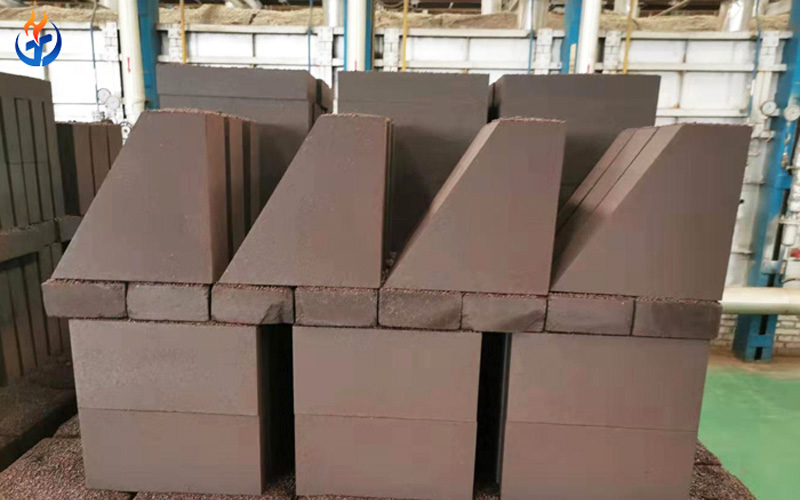
A fused cast refractory is a type of high-performance refractory material produced by melting raw materials (such as alumina, zirconia, and silica) in an electric arc furnace, then casting the molten mixture into molds, followed by controlled cooling and annealing. Unlike traditional sintered refractories, fused cast refractories are non-porous, dense, and have a glassy microstructure, making them highly resistant to corrosion, erosion, and penetration by molten metals and slags.
The key distinguishing feature of fused cast refractories lies in their manufacturing process:
Melting: Raw materials are fully melted at high temperature (around 2000–2500°C).
Casting: The molten material is poured into molds to form specific shapes.
Cooling and Annealing: Controlled cooling prevents internal stress and cracking.
Machining: Finished blocks are precision-machined for perfect dimensional fit.
This process results in an extremely dense structure with minimal porosity—an essential property for smelter linings exposed to aggressive chemical attack.
Composition of Fused Cast Refractory Bricks
Depending on the smelting process and the metal being refined, different compositions of fused cast refractories are used. The most common types include:
AZS (Alumina-Zirconia-Silica)
Composed mainly of Al₂O₃, ZrO₂, and SiO₂, AZS fused cast bricks are widely used in glass furnaces and non-ferrous smelters due to their superior corrosion resistance and thermal shock stability.High Alumina Fused Cast Bricks
Contain over 90% Al₂O₃, offering excellent refractoriness and resistance to slag erosion. These are often used in aluminum and copper smelting.Fused Cast Magnesia Bricks
Made from MgO, they exhibit strong basic slag resistance and are suitable for nickel and copper converters.Fused Cast Zirconia Bricks
With over 94% ZrO₂, these bricks show exceptional resistance to aggressive slags and thermal gradients, making them ideal for the most demanding smelting zones.
Each formulation is engineered for specific conditions, ensuring durability in contact with molten metal, slag, and high-temperature gases.
Importance of Fused Cast Refractory in Non-Ferrous Smelters
Non-ferrous smelting processes—such as roasting, smelting, converting, and refining—create extremely hostile environments. Furnaces and reactors face multiple degradation mechanisms: thermal shock, chemical corrosion, slag infiltration, and mechanical erosion.
Here’s how fused cast refractory bricks provide essential protection and performance benefits:
(1) Exceptional Corrosion Resistance
Fused cast bricks possess a dense, non-porous structure, which prevents slag and molten metal penetration. In copper and aluminum smelting, this resistance minimizes contamination and extends furnace life.
(2) High Thermal Stability
Their ability to withstand continuous high temperatures without deformation or softening ensures stable operation. Even during shutdowns and startups, fused cast refractories resist thermal shock and cracking.
(3) Chemical Compatibility
Different smelting processes generate acidic or basic slags. Fused cast materials can be tailored—using alumina, zirconia, or magnesia—to resist specific chemical attacks.
(4) Long Service Life and Reduced Maintenance
Because of their superior wear resistance, fused cast refractories require fewer replacements, reducing downtime and improving overall plant productivity.
(5) Energy Efficiency
A stable and well-insulated lining helps maintain temperature consistency, reducing heat loss and optimizing fuel consumption in non-ferrous smelting operations.
Applications in Non-Ferrous Metal Smelting
(1) Copper Smelting
In copper smelters, fused cast bricks are used in flash furnaces, converters, and anode furnaces. They withstand the corrosive action of copper slag and matte while maintaining mechanical strength. Fused cast AZS and high-alumina types are often chosen for critical zones such as tuyere areas and slag lines.
(2) Aluminum Refining
The refining and holding furnaces in aluminum production require refractories that resist molten aluminum’s attack and oxidation. Fused cast alumina and zirconia refractories are ideal due to their low wetting by aluminum and resistance to alkali vapors.
(3) Nickel and Zinc Smelting
Nickel and zinc production involves strong basic slags at high temperatures. Fused cast magnesia bricks are used for their superior basic slag resistance and dimensional stability.
(4) Lead Smelting
Lead and its oxides are aggressive to most refractories. Fused cast alumina-zirconia materials offer excellent corrosion resistance and minimize lead penetration.
(5) Precious Metal Refining
Gold and silver refining furnaces demand refractories that maintain purity and structural integrity. Fused cast materials prevent contamination and offer high refractoriness.
Structure and Performance Advantages
The microstructure of fused cast refractory bricks plays a critical role in their performance. Typically, the structure consists of:
Dense crystalline zones: Provide mechanical strength and corrosion resistance.
Glass phase regions: Enhance sealing and prevent molten penetration.
Low porosity (<1%): Blocks slag and gas diffusion.
This combination results in unique mechanical and chemical properties, including:
Compressive strength over 250 MPa.
Refractoriness above 1800°C.
Minimal linear change under load.
Excellent resistance to alkali and fluoride attack.
Such properties make fused cast refractories particularly valuable in smelters where conventional fireclay or sintered bricks quickly deteriorate.
Comparison with Other Refractory Types
| Property | Fused Cast Refractory | Sintered Refractory | Carbon-Based Refractory |
|---|---|---|---|
| Density | Very high | Medium | Medium |
| Porosity | <1% | 10–20% | 5–10% |
| Corrosion Resistance | Excellent | Moderate | Poor (in oxidizing conditions) |
| Thermal Shock Resistance | High | Moderate | High |
| Service Life | Long | Medium | Short |
| Typical Use | Critical furnace zones | General linings | Reducing atmospheres |
As seen, fused cast refractories outperform traditional sintered refractories in nearly every aspect related to durability and corrosion resistance, making them indispensable for critical furnace zones.
Conclusion
In the demanding environment of non-ferrous smelting, where high temperatures and corrosive slags are constant challenges, fused cast refractory bricks play a critical role in maintaining operational stability, efficiency, and safety. Their unique combination of chemical resistance, mechanical strength, and thermal stability makes them indispensable for copper, aluminum, nickel, and other smelting operations.
By selecting the right fused cast refractory type and ensuring proper installation, smelters can achieve long service life, reduced maintenance, and improved energy performance—key factors in the competitiveness of modern metallurgical plants.