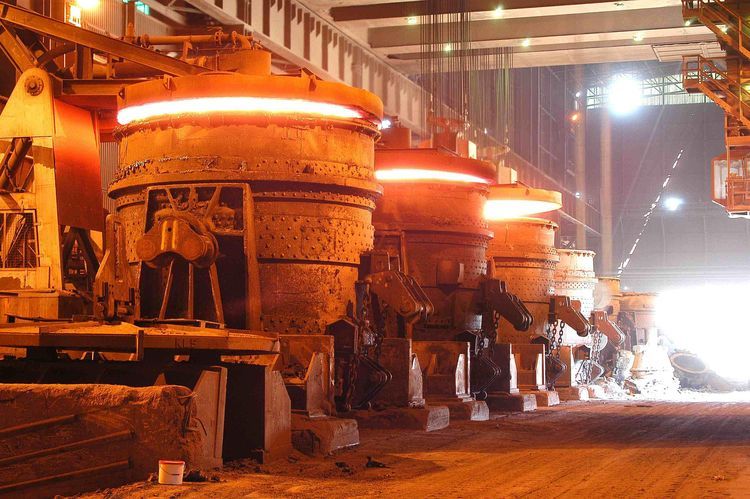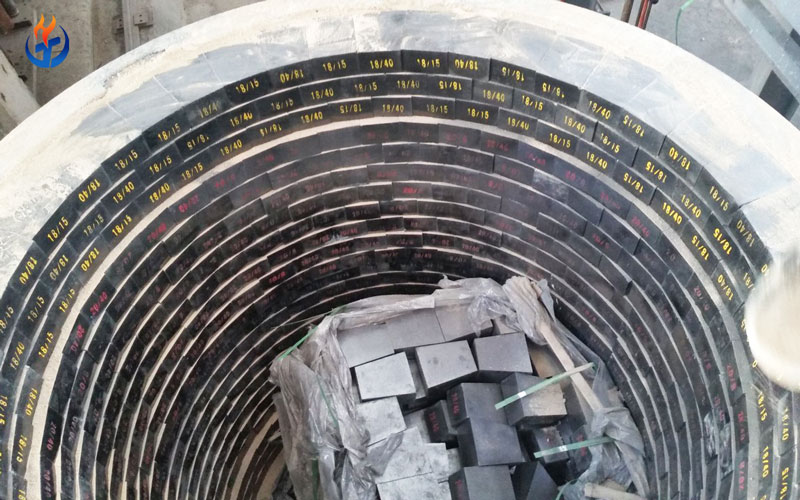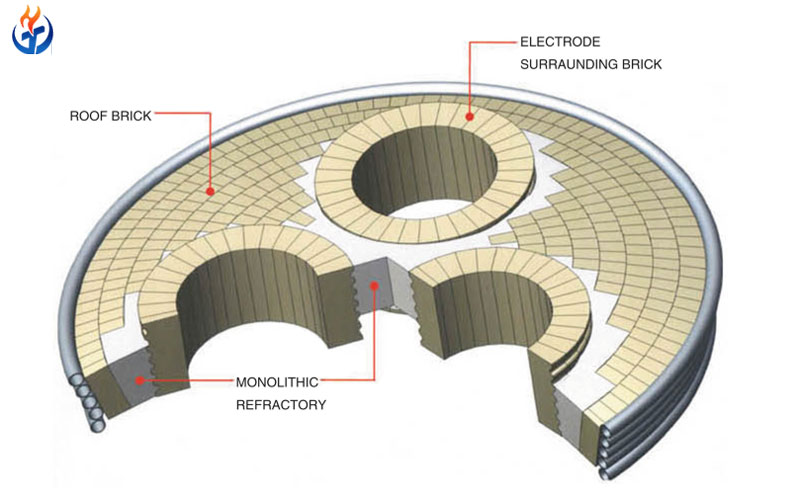
A blast furnace is a core piece of equipment in the ironmaking process, operating continuously under high temperatures, heavy mechanical loads, and severe chemical attack. The selection and installation of blast furnace refractory materials directly affect operational safety, furnace campaign life, production efficiency, and maintenance costs. Because operating conditions vary significantly throughout the furnace, refractory lining design generally follows a zonal approach, with different materials selected according to the specific requirements of each section.
Understanding which refractory materials are suitable for different furnace zones helps steel manufacturers optimize lining performance, reduce premature wear, and maintain stable ironmaking operations. From the furnace throat to the hearth and taphole, each area requires a carefully engineered combination of refractory properties.
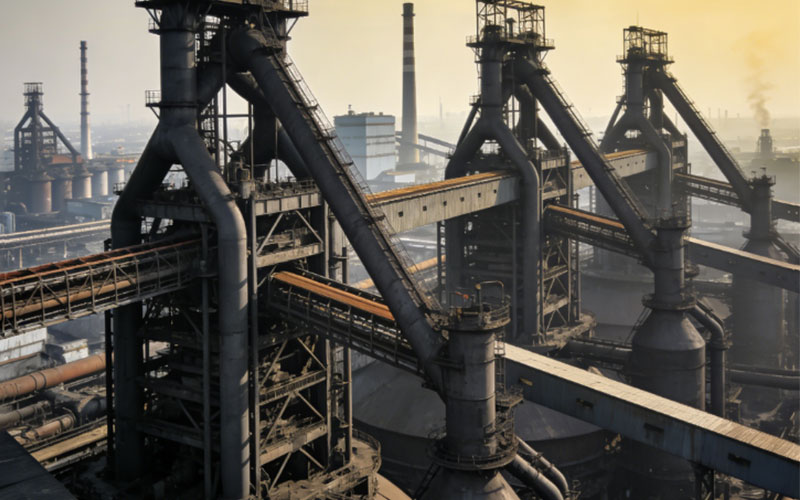
1. Refractory Materials for the Blast Furnace Throat and Top
The blast furnace throat and top are exposed to hot gas flow, descending burden, dust abrasion, and temperature fluctuations. Although thermal and chemical conditions vary depending on the furnace design and operating practice, resistance to abrasion and structural stability are particularly important considerations in these areas.
Common Materials
Fireclay bricks: These provide practical thermal resistance and are suitable for selected areas where operating temperatures and chemical conditions permit their use.
Medium- and lower-alumina high-alumina bricks: Depending on their alumina content and formulation, these bricks can provide improved mechanical strength and resistance to wear compared with conventional fireclay products.
Wear-resistant castables: Certain castable formulations can be used in suitable locations to create durable linings and accommodate complex installation geometries.
The primary objective is to maintain a stable lining under continuous burden movement and gas circulation. Material selection should consider abrasion resistance, thermal stability, installation requirements, and compatibility with adjacent lining materials. The precise grade depends on local temperature, gas composition, and the mechanical conditions within the furnace top.
2. Refractory Lining for the Blast Furnace Shaft
The shaft is a major working section where iron-bearing materials and coke descend while hot reducing gases move upward. Refractory linings in this zone must withstand abrasion from moving burden materials, thermal fluctuations, chemical attack, and changes associated with gas flow and heat transfer.
Common Materials
Medium- and high-alumina bricks: These offer useful combinations of refractoriness, strength, and wear resistance for appropriate shaft locations.
High-strength, low-iron high-alumina bricks: Carefully formulated products may provide improved performance where mechanical strength, chemical stability, and resistance to iron-related reactions are important.
Combinations of shaped bricks and monolithic refractories: Bricks can provide dimensional consistency, while selected unshaped materials help accommodate joints, irregular geometries, and specific installation requirements.
When selecting blast furnace refractory materials for the shaft, engineers should evaluate more than alumina content alone. Porosity, bulk density, thermal conductivity, resistance to alkali attack, and structural stability can all influence service performance.
A properly designed lining helps limit localized deterioration and supports consistent furnace operation. Material combinations should be based on the actual wear mechanism in each shaft section rather than applying one refractory grade throughout the entire zone.
3. Refractory Selection for the Blast Furnace Bosh and Belly
The bosh and belly experience demanding thermal and chemical conditions as the burden descends toward the lower furnace. Heat transfer, gas movement, slag-related reactions, and mechanical stresses can combine to accelerate refractory deterioration. The severity of these conditions depends on furnace design, cooling arrangements, and operating parameters.
Common Materials
High-alumina bricks: These can provide useful resistance to high temperatures and mechanical wear when their composition is matched to the service environment.
Corundum-based refractory bricks: Their high alumina content and hardness can make them suitable for selected applications requiring high-temperature stability and resistance to certain corrosive conditions.
Specialized refractory castables: Engineered formulations can be used in appropriate locations where installation flexibility, lining geometry, or localized reinforcement is required.
Refractories in the bosh and belly must be selected according to the combined effects of temperature, chemical attack, thermal shock, and mechanical loading. Resistance to slag corrosion is important where direct contact occurs, but it should not be treated as the only selection criterion.
Cooling conditions and the interaction between the refractory lining and furnace shell also influence service life. Coordinating material properties with cooling system design can help reduce localized overheating and uneven wear. The best solution is a zone-specific lining system supported by operating data and practical installation experience.
4. Applications of Refractory Materials in the Blast Furnace Hearth
The hearth is one of the most critical parts of a blast furnace because it contains molten iron and slag at high temperatures. Its lining must withstand prolonged contact with molten materials, chemical penetration, thermal stresses, and mechanical forces. Damage in this zone can have serious consequences for furnace safety and campaign life.
Common Materials
Carbon bricks: These are widely used in hearth lining systems because of their thermal properties and potential resistance to molten iron penetration under properly designed conditions.
Semi-graphite bricks: These materials can offer useful thermal conductivity and other properties associated with carbon-based refractories, depending on their formulation.
Complementary monolithic refractories: Selected ramming materials and other unshaped products may be used in joints, interfaces, and designated lining sections.
Hearth design requires careful consideration of brick quality, joint arrangement, lining thickness, thermal conductivity, and the performance of the overall cooling system. Carbon-based materials are not interchangeable, and their suitability depends on factors such as porosity, resistance to iron penetration, and the expected thermal profile.
A multilayer lining design can help distribute thermal loads and provide protection to the furnace structure. Effective construction quality control and temperature monitoring are also essential for identifying abnormal conditions and supporting long-term operational reliability.
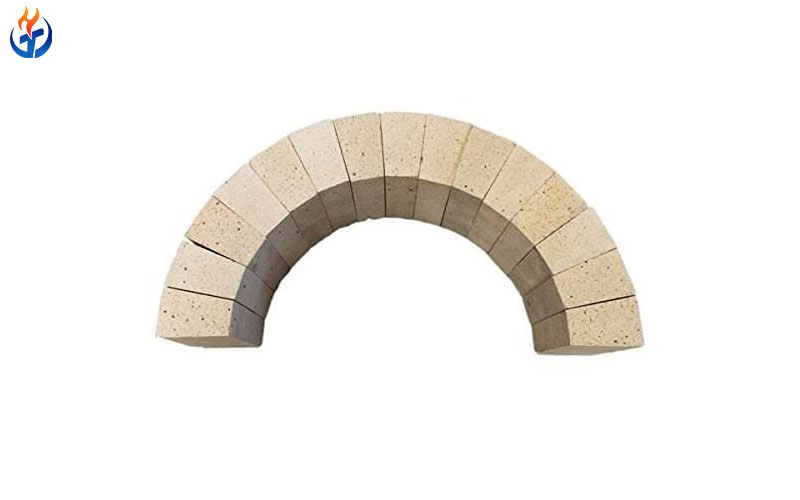
5. Refractory Materials for the Blast Furnace Taphole and Slag Outlet
The taphole and associated slag discharge areas experience repeated opening and closing operations, localized high temperatures, molten material flow, and mechanical wear. These conditions make maintenance access, installation quality, and resistance to erosion important considerations.
Common Materials
High-strength refractory castables: Suitable formulations can provide mechanical strength and resistance to thermal stress in designated structural areas.
Specialized ramming mixes: These are commonly used in taphole applications where the material must be installed, compacted, and maintained according to specific operating requirements.
Reinforced or specially designed refractory bricks: Selected shaped products may be used in surrounding structures where dimensional accuracy and localized protection are required.
Taphole clay is particularly important for sealing the taphole after tapping and controlling subsequent opening operations. Its formulation must be matched to furnace conditions, tapping practices, and required drainage performance.
Material selection should account for erosion resistance, thermal shock, installation consistency, and repair frequency. Proper preparation, controlled installation, and suitable maintenance procedures help minimize unplanned downtime and maintain reliable tapping operations.
6. Key Principles for Selecting Blast Furnace Refractory Materials
Successful blast furnace lining design depends on matching refractory properties to local operating conditions rather than relying on a single material across every zone. Shaped bricks and unshaped refractories can complement each other when their properties and installation methods are appropriately coordinated.
Important selection factors include operating temperature, chemical composition of the gas and slag, abrasion intensity, thermal conductivity, resistance to molten iron penetration, and compatibility with the cooling system. Engineers should also evaluate installation quality, expected maintenance intervals, material availability, and total lifecycle costs.
Working with an experienced refractory manufacturer can help steel producers assess these requirements, identify suitable product grades, and develop a lining configuration for their specific furnace design.
Conclusion
Blast furnace refractory materials play a vital role in protecting furnace structures, maintaining stable ironmaking operations, and extending campaign life. Fireclay and high-alumina bricks may suit selected upper and shaft zones, while corundum-based products, carbon bricks, semi-graphite bricks, castables, and specialized ramming mixes serve different requirements in the lower furnace, hearth, and taphole areas.
The most effective refractory lining combines appropriate material selection, sound engineering design, precise installation, and continuous operational monitoring. By adopting a zone-specific approach, steel manufacturers can improve lining reliability, manage maintenance costs, and support safer, more efficient blast furnace production.